
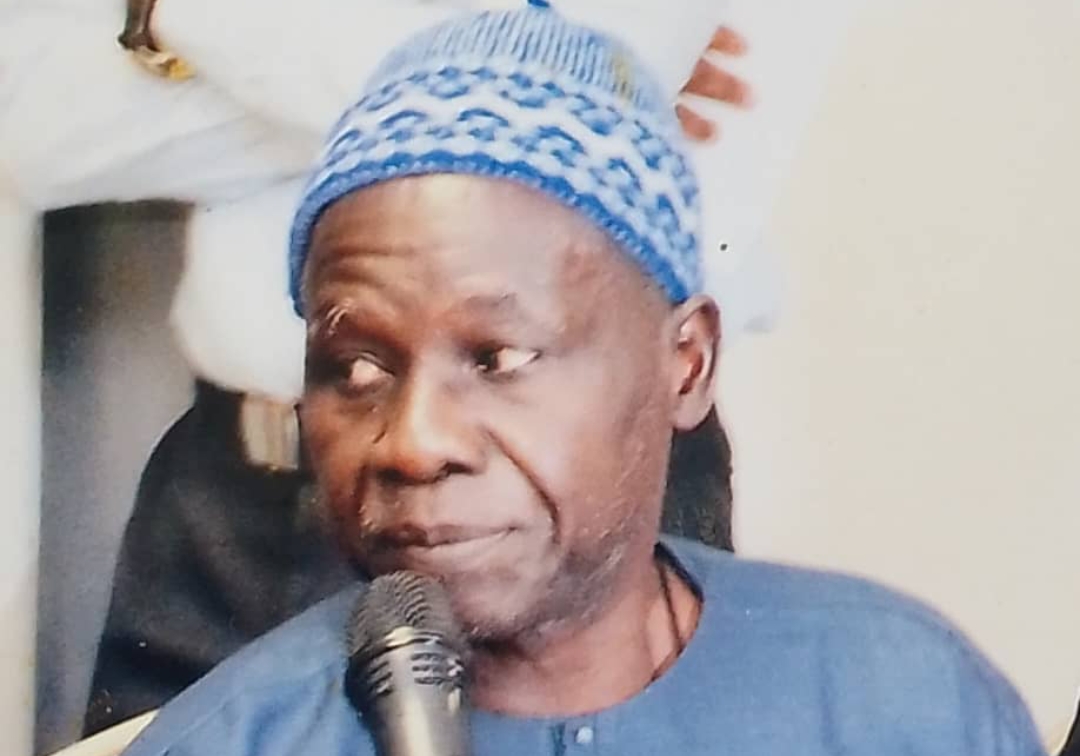
Déthié Faye: Incomplete Code Électoral Révision Risks Sénégal Disputes
Summary
- Déthié Faye warns that an incomplete electoral code revision could lead to widespread disputes in Senegal's upcoming territorial and legislative elections.
- He criticizes the delay in implementing recommendations from the 2024 and 2025 national dialogues, which called for an inclusive monitoring committee.
- Instead, a technical committee's work was validated only by Pastef, and its drafts have not reached the National Assembly.
- Tensions between the Executive and Legislative branches create uncertainty, raising the possibility of elections without a revised code.
- Faye emphasizes the importance of political consultation and dialogue to prepare for electoral competitions and prevent contestations.
Electoral Dispute Concerns in Senegal
He firmly believes that "dialogue precedes and prepares electoral competitions," emphasizing the critical role of consensus-building before electoral contests.
Déthié Faye, who leads the CDR/Fonk sa kaddu, has issued a stark warning regarding the potential for widespread electoral disputes in Senegal. His primary concern centers on the incomplete revision of the nation's electoral code, which he believes must be finalized before the forthcoming territorial and legislative elections. Faye's apprehension stems from the current state of the reform process, suggesting that a failure to update the code could lead to significant challenges and contestations during the upcoming polls. This situation, if left unaddressed, poses a substantial risk to the integrity and acceptance of future election outcomes.
The president of CDR/Fonk sa kaddu specifically highlighted the slow pace of implementing key recommendations that emerged from the national dialogues held in both 2024 and 2025. These dialogues were intended to foster consensus on critical national issues, including electoral reforms. The delay in translating these agreed-upon principles into concrete legislative changes is a major point of contention for Faye, who sees it as a missed opportunity to solidify the legal framework for elections. The lack of progress on these fronts creates an environment ripe for legal challenges and political instability, particularly as the country approaches new electoral cycles.
Flawed Reform Process and Unheeded Recommendations
The national dialogues of 2024 and 2025 had specifically called for the establishment of an inclusive monitoring committee. This body was envisioned to define the precise modalities for implementing the agreements reached during these crucial discussions. However, instead of adhering to this recommendation, the head of state opted for a different approach, creating a technical committee tasked solely with preparing draft texts for the electoral code revision. This deviation from the agreed-upon inclusive process has drawn criticism from Déthié Faye.
Faye has particularly voiced his disapproval that the work produced by this technical committee was presented for validation exclusively to Pastef, rather than being subjected to broader discussions with all relevant political actors. This selective validation process undermines the spirit of inclusivity that was a cornerstone of the national dialogues. Furthermore, the preliminary drafts that were subsequently published by the Presidency have yet to be transmitted to the National Assembly for legislative review, as reported by Xibaaru. This procedural bottleneck further delays the much-needed reform and contributes to the uncertainty surrounding the electoral framework.
Legislative Gridlock and Future Electoral Risks
The current tensions between Senegal's Executive and Legislative branches are, according to Déthié Faye, casting a significant shadow over the timeline for the electoral reform. This political friction introduces an element of unpredictability, making it uncertain when, or even if, the revised electoral code will be enacted. Faye's assessment suggests a real possibility that Senegal could proceed with its next round of elections—both territorial and legislative—without the benefit of an updated electoral code. Such a scenario would inevitably create fertile ground for disputes and challenges to election results, potentially escalating the Sénégal contentieux électoral.
In light of these concerns, Faye has strongly advocated for the preservation of political consultation and the unification of the nation's vital forces around the core values of the Republic. He firmly believes that "dialogue precedes and prepares electoral competitions," emphasizing the critical role of consensus-building before electoral contests. The incomplete electoral code revision, coupled with the current political climate, heightens the risks for upcoming elections, making it imperative for all stakeholders to engage constructively to prevent potential instability. The absence of a clear, agreed-upon legal framework could lead to significant challenges, impacting the legitimacy and smooth conduct of future polls.
Practical Implications
Lawyers should anticipate increased electoral litigation and advise political clients on potential challenges to election results due to the incomplete electoral code revision, closely monitoring legislative progress for clarity on electoral rules ahead of upcoming territorial and legislative elections.
Source
Source: Original reporting via Xibaaru.
How does this affect you?
Get an AI analysis of this article grounded in your jurisdictions, practice areas, and any policy documents you've uploaded to Wansom.
Finish Reading the Full Story and the Expert Analysis.
Get the latest legal & regulatory intelligence in Senegal
Wansom is AI and can make mistakes.