
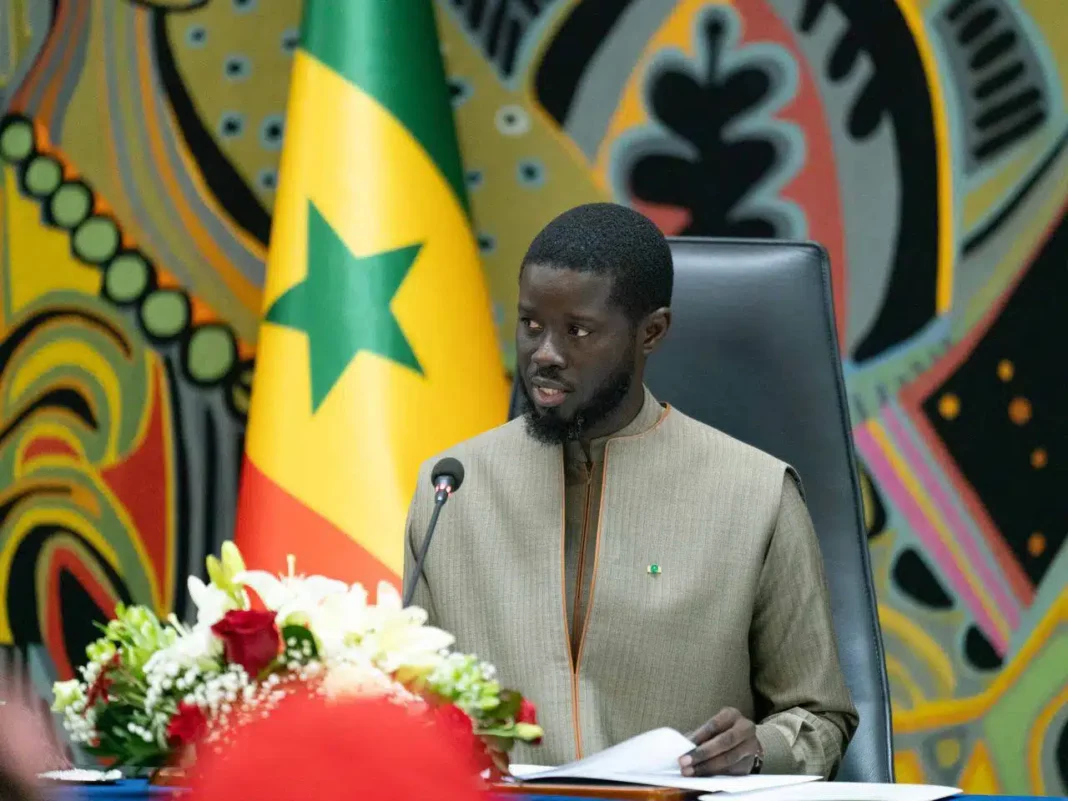
Bassirou Faye: Sénégal FMI Accord Secures 1,243 Billion FCFA
Summary
- President Bassirou Diomaye Faye lauded a technical agreement in principle between Senegal and the International Monetary Fund.
- This accord aims to support Senegal's ongoing economic and financial reforms.
- The agreement facilitates the mobilization of 1,243 billion FCFA, equivalent to approximately 2.2 billion U.S. dollars.
- President Faye has explicitly demanded concrete results from the government regarding these reforms.
- The reforms are expected to significantly impact Senegal's regulatory environment and investment conditions.
Senegal Secures IMF Agreement
Lawyers and compliance officers should closely monitor the specific policy changes that will emerge from these initiatives, as they are likely to impact various sectors, including finance, taxation, investment, and public procurement.
Senegal has successfully concluded a technical agreement in principle with the International Monetary Fund (FMI), an accord designed to bolster the nation's ongoing economic and financial reforms. This significant development was met with approval by President Bassirou Diomaye Faye, who publicly acknowledged the importance of the Bassirou Faye Sénégal FMI accord for the country's economic trajectory.
This pivotal agreement is set to facilitate the mobilization of a substantial financial package, totaling 1,243 billion FCFA, which translates to approximately 2.2 billion U.S. dollars. The funds are earmarked to support the comprehensive reform agenda that Senegal has embarked upon, aiming to strengthen its economic foundations and ensure fiscal stability. President Faye's endorsement underscores the government's commitment to these reforms and its partnership with international financial institutions.
Driving Economic and Financial Reforms
The primary objective of the Sénégal Fonds monétaire international accord is to provide crucial backing for the nation's economic and financial reform initiatives. These reforms are typically broad in scope, often targeting areas such as public finance management, revenue collection, expenditure efficiency, and the overall business environment. The involvement of the FMI signals a structured approach to addressing underlying economic challenges and fostering sustainable growth.
President Bassirou Diomaye Faye has not only welcomed this agreement but has also issued a clear directive to his government, emphasizing the imperative for tangible results from these reforms. This demand highlights a focus on accountability and effective implementation, indicating that the administration expects the financial support and policy adjustments to translate into concrete improvements for the Senegalese economy and its citizens.
Financial Commitment and Oversight
The substantial financial commitment of 1,243 billion FCFA from the Sénégal FMI agreement represents a significant injection of capital intended to support the country's reform efforts. Such a large-scale financial package from the International Monetary Fund often comes with specific policy benchmarks and performance criteria, ensuring that the funds are utilized effectively to achieve the stated reform objectives.
While the agreement is currently an accord technique principe Sénégal, its finalization will pave the way for the disbursement of funds and the commencement of specific reform programs. The President's insistence on results implies a robust oversight mechanism will be in place, not only from the FMI but also from the highest levels of the Senegalese government, to monitor progress and ensure the reforms yield their intended benefits.
Implications for Regulatory Landscape
The economic and financial reforms supported by this IMF agreement are poised to have far-reaching implications for Senegal's regulatory and business environment. Lawyers and compliance officers should closely monitor the specific policy changes that will emerge from these initiatives, as they are likely to impact various sectors, including finance, taxation, investment, and public procurement. New legislation, revised regulations, or updated enforcement priorities could significantly alter the operational landscape for both domestic and international businesses.
Understanding the nuances of these impending reforms will be critical for ensuring compliance and navigating the evolving investment conditions within Senegal. Businesses operating in or looking to enter the Senegalese market will need to adapt to new frameworks, potentially requiring adjustments to their operational strategies, financial reporting, and governance structures. The government's commitment to achieving tangible results from these reforms suggests a period of dynamic regulatory change that will necessitate proactive engagement from legal and compliance professionals.
Practical Implications
Lawyers and compliance officers should closely monitor the specific economic and financial reforms stemming from this IMF agreement, as they will likely impact regulatory frameworks, investment conditions, and compliance obligations for businesses operating in Senegal.
Source
How does this affect you?
Get an AI analysis of this article grounded in your jurisdictions, practice areas, and any policy documents you've uploaded to Wansom.
Finish Reading the Full Story and the Expert Analysis.
Wansom is AI and can make mistakes.