
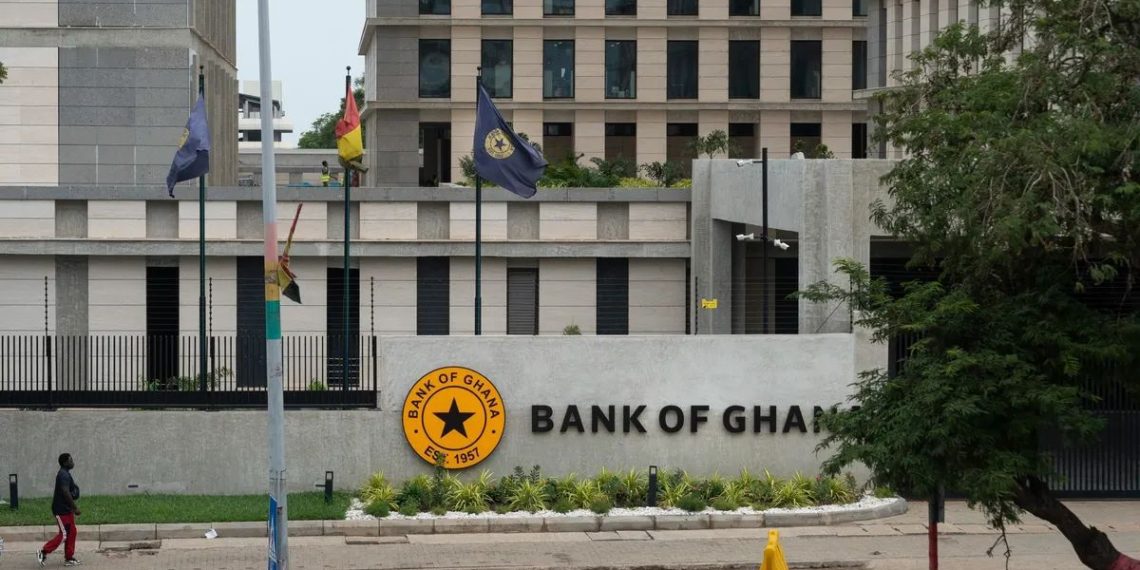
Bank of Ghana Proposes New Liquidity Coverage Ratio Directive
The Bank of Ghana (BoG) has proposed a new regulatory requirement that would compel banks to maintain sufficient high-quality liquid assets to cover their projected net cash outflows over a 30-day period of financial stress, as detailed in the Liquidity Coverage Ratio (LCR) Directive, 2026, an exposure draft published by the central bank.
This proposed directive signifies a proactive measure by the Bank of Ghana to bolster the resilience of the banking sector against liquidity shocks. For practising attorneys and legal professionals, this means a heightened focus on the prudential management of financial institutions. The LCR, a key component of Basel III international banking regulations, aims to ensure that banks have adequate liquid assets to survive a significant stress event where cash outflows increase and funding sources become impaired. The legal significance lies in its potential to enhance depositor confidence and systemic stability, thereby reducing the likelihood of bank runs and contagion effects. Businesses and individuals relying on the banking system can expect greater assurance in the ability of their banks to meet immediate withdrawal demands, even under adverse economic conditions.
The legal framework underpinning this proposal is rooted in the Bank of Ghana Act, 2016 (Act 918), which grants the central bank broad powers to issue directives and regulations to ensure the stability and soundness of the financial system. The LCR Directive, 2026, is an implementation of these powers, drawing inspiration from international best practices established by the Basel Committee on Banking Supervision. The directive will likely be integrated into the existing prudential guidelines for banks operating in Ghana, requiring amendments to their internal policies and risk management frameworks. The key parties involved are the Bank of Ghana as the regulator and the commercial banks operating within Ghana, which will be subject to the new requirements.
Practitioners advising financial institutions must closely monitor the finalisation of the LCR Directive, 2026, and its specific requirements. This includes understanding the definition of high-quality liquid assets (HQLA), the calculation methodologies for net cash outflows under stress, and the compliance timelines. Banks will need to review and potentially enhance their liquidity risk management strategies, systems, and reporting capabilities. Attorneys should be prepared to advise clients on the necessary operational and governance adjustments to meet these new prudential standards, ensuring that their banking partners remain compliant and financially robust.
How does this affect you?
Get an AI analysis of this article grounded in your jurisdictions, practice areas, and any policy documents you've uploaded to Wansom.
Finish Reading the Full Story and the Expert Analysis.
Get the latest legal & regulatory intelligence in Ghana
Wansom is AI and can make mistakes.