
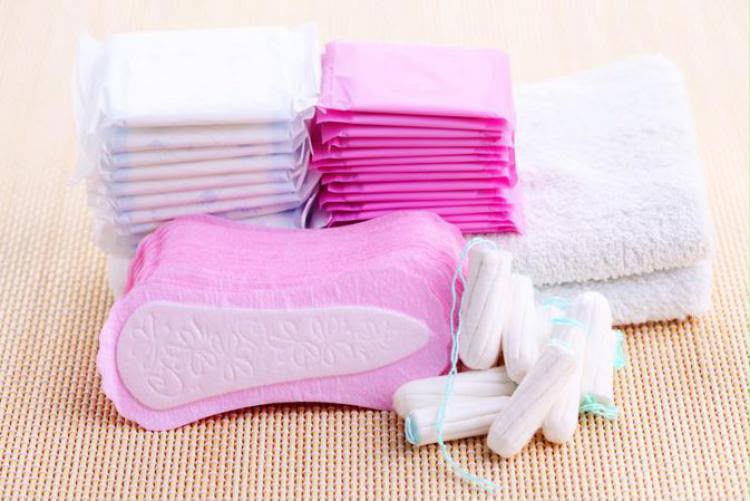
Ghana CPA: Sanitary Towel Safety Assurance Issued to Consumers
Summary
- The Consumer Protection Agency (CPA) has assured Ghanaian consumers about the safety of registered sanitary towels.
- This assurance follows recent tests conducted by the CPA on registered products.
- Tests confirmed that registered sanitary towels are in good condition and suitable for use.
- All registered sanitary towels have been approved by the Food and Drugs Authority (FDA) and standardized by the Ghana Standards Authority (GSA).
- The CPA's action comes after consumer complaints regarding product quality.
Consumer Protection Agency's Assurance on Sanitary Towels
This proactive stance by the Consumer Protection Agency not only serves to reassure consumers but also sends a clear message to manufacturers and importers operating within the Ghanaian sanitary towel market.
The Consumer Protection Agency (CPA) in Ghana has recently issued a public assurance to women and mothers regarding the safety and suitability of sanitary towels available on the local market. This significant declaration by the Consumer Protection Agency Ghana comes in response to various complaints that had raised concerns among consumers about the quality of these essential products. The CPA's intervention aims to bolster public confidence in the sanitary towel market Ghana compliance landscape.
Ghana's Robust Regulatory Framework for Product Safety
The CPA's assurance is underpinned by the established regulatory framework governing product safety in Ghana, involving two key national bodies: the Food and Drugs Authority (FDA) and the Ghana Standards Authority (GSA). For any sanitary towel to be legally sold on the Ghanaian market, it must first receive explicit approval from the FDA. This approval process involves a thorough assessment to ensure the product meets health and safety criteria before it can be registered.
Concurrently, the Ghana Standards Authority (GSA) plays a crucial role in standardizing these products. The GSA sets the specific Ghana FDA GSA sanitary pad standards that manufacturers and importers must adhere to, covering aspects such as material composition, absorbency, and hygiene. Therefore, the CPA's confirmation that registered products are safe directly reflects their compliance with these stringent Ghana product safety regulations, ensuring that only suitable and high-quality sanitary towels reach consumers.
Implications for Market Participants and Consumer Trust
This proactive stance by the Consumer Protection Agency not only serves to reassure consumers but also sends a clear message to manufacturers and importers operating within the Ghanaian sanitary towel market. The CPA's active monitoring and public statements indicate a heightened focus on ensuring that all products comply with national standards. This means that businesses involved in the production or distribution of sanitary towels must ensure their products are fully registered with the FDA and consistently meet the Ghana Standards Authority's specifications.
The agency's public affirmation of product safety, following its own independent testing, underscores the importance of regulatory adherence. For companies, this translates into a need for robust internal compliance mechanisms to avoid potential scrutiny and maintain consumer trust. The assurance provided by the CPA reinforces the expectation that only products that have successfully navigated Ghana's comprehensive product safety regulations and obtained the necessary approvals and standardizations should be available for purchase, thereby protecting both public health and market integrity.
Practical Implications
Compliance officers and legal counsel for companies manufacturing or importing sanitary towels in Ghana should ensure their products are fully registered and meet Food and Drugs Authority (FDA) and Ghana Standards Authority (GSA) requirements, as the Consumer Protection Agency (CPA) is actively monitoring and publicly assuring product safety, indicating potential regulatory scrutiny for non-compliant products.
Source
How does this affect you?
Get an AI analysis of this article grounded in your jurisdictions, practice areas, and any policy documents you've uploaded to Wansom.
Finish Reading the Full Story and the Expert Analysis.
Get the latest legal & regulatory intelligence in Ghana
Wansom is AI and can make mistakes.