
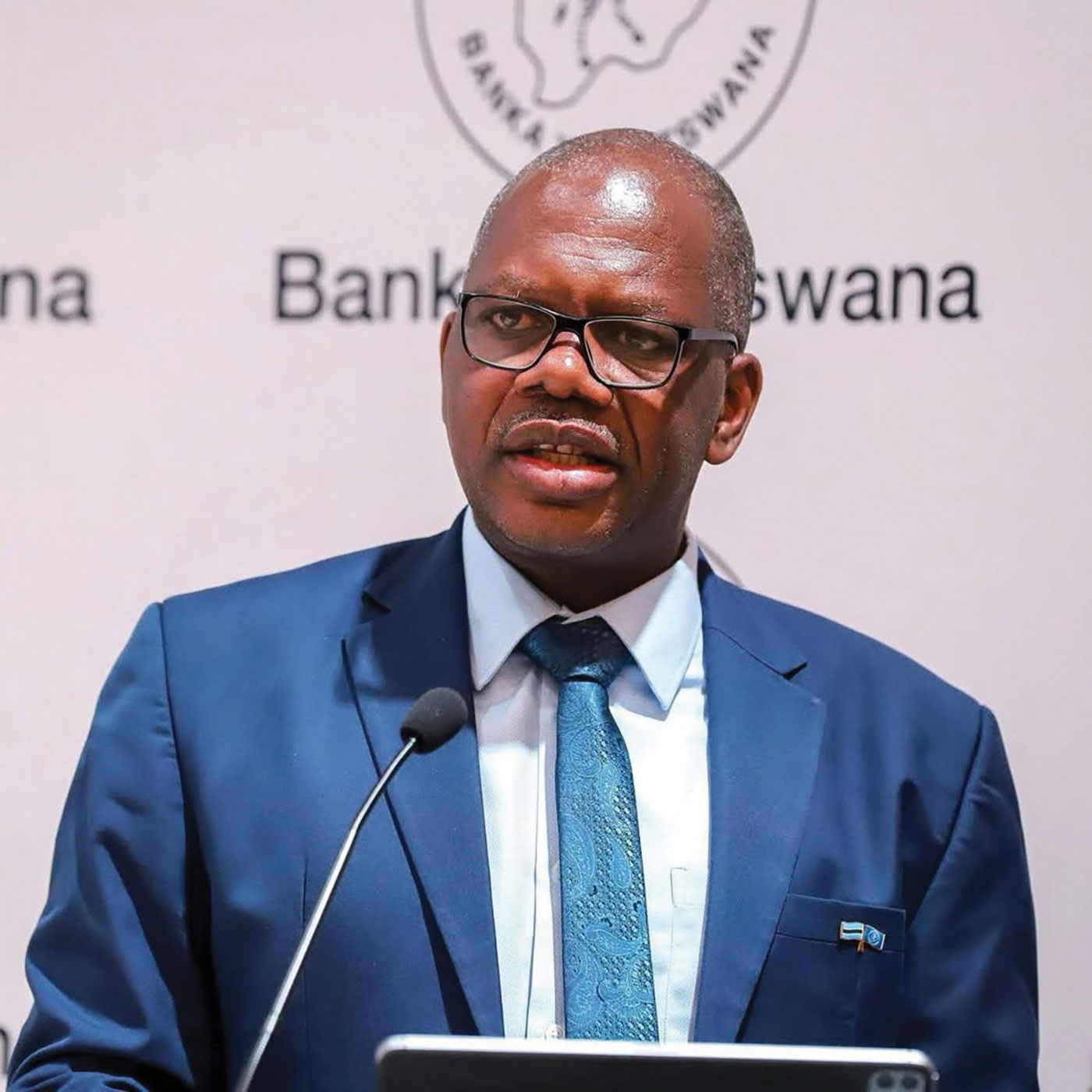
Bank of Botswana: Rate Held 5.5% Despite High Inflation
Summary
- The Bank of Botswana's Monetary Policy Committee maintained the Monetary Policy Rate at 5.5 percent.
- This decision was made on Thursday, opting against further monetary tightening.
- Botswana's inflation rate fell from 10.7 percent in June to 9.4 percent in July.
- Despite the decrease, inflation remains significantly above the central bank's target range.
- The stable rate provides predictability for borrowing costs and financial planning in Botswana.
Monetary Policy Rate Maintained
Legal professionals and compliance officers, in particular, should take note of this sustained rate.
The Bank of Botswana's Monetary Policy Committee (MPC) recently concluded its latest meeting, announcing a decision to keep the country's benchmark Monetary Policy Rate (MPR) unchanged at 5.5 percent. This move signifies a deliberate choice by the central bank to avoid further monetary tightening measures at this juncture, despite prevailing economic conditions that might typically prompt such action.
The decision, which was made on Thursday, maintains the Bank of Botswana interest rate at its current level, providing a degree of stability in the financial landscape. The Monetary Policy Rate is a crucial tool for central banks, influencing the cost of borrowing for commercial banks and, by extension, the broader economy. By holding the rate, the MPC signals its current assessment of the balance between managing inflation and supporting economic activity.
Navigating Persistent Inflation
This decision comes against a backdrop of elevated inflation figures, which continue to exceed the central bank's established target range. While the Bank of Botswana rate held 5.5% indicates a pause in rate hikes, the underlying inflationary pressures remain a key concern for policymakers. The latest data reveals a notable, albeit still high, Botswana inflation rate July figure of 9.4 percent.
This July inflation rate represents a decrease from the 10.7 percent recorded in June, suggesting some moderation in price increases. However, despite this decline, the overall inflation level persists well above the Bank of Botswana's desired threshold. The MPC's choice to maintain the Botswana Monetary Policy Committee decision at 5.5% suggests a cautious approach, perhaps allowing previous tightening measures to fully transmit through the economy before considering new adjustments.
Significance for the Economy
The Bank of Botswana's decision to hold its Monetary Policy Rate at 5.5% carries significant implications for various sectors of the economy. For businesses and individuals, the stability of the Bank of Botswana 5.5% rate provides a predictable environment regarding borrowing costs. This predictability is particularly valuable for financial planning, investment decisions, and the structuring of commercial agreements.
Legal professionals and compliance officers, in particular, should take note of this sustained rate. The consistent cost of borrowing directly impacts the terms of loan agreements, the assessment of financial obligations, and the overall financial planning for clients operating within Botswana. A stable rate environment allows for more accurate forecasting of interest expenses and revenue, contributing to a more predictable framework for evaluating commercial contract terms and financial commitments.
Practical Implications
Lawyers and compliance officers should note the Bank of Botswana's decision to maintain the Monetary Policy Rate at 5.5%, as this stability impacts the cost of borrowing, loan agreements, and financial planning for clients operating in Botswana. This provides a predictable environment for assessing financial obligations and commercial contract terms.
Source
How does this affect you?
Get an AI analysis of this article grounded in your jurisdictions, practice areas, and any policy documents you've uploaded to Wansom.
Finish Reading the Full Story and the Expert Analysis.
Wansom is AI and can make mistakes.