
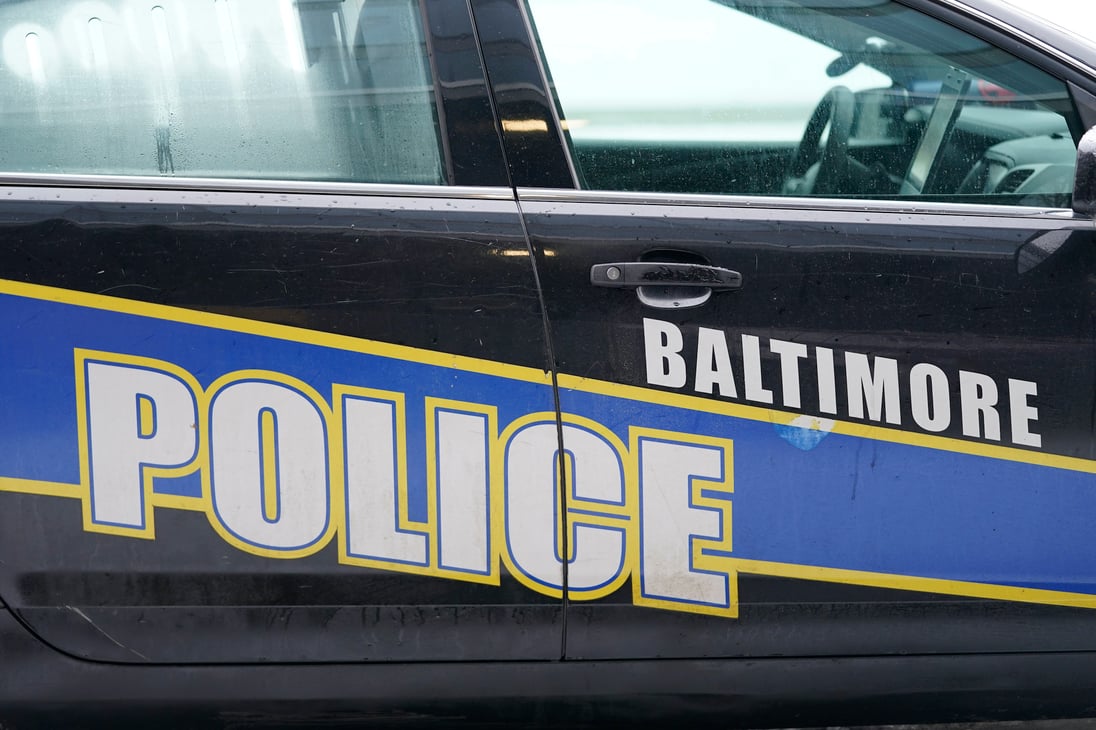
Baltimore Students Sue AI Gun Detector Over False Positive Incident
Summary
- Four Baltimore County high school students were subjected to a police takedown in October 2025 after an AI gun detection system misidentified a bag of chips as a firearm.
- Eight police officers responded to Kenwood High School with guns drawn, forcing the students to their knees, handcuffing them, and searching them.
- The students' parents have filed a lawsuit against Omnilert, Baltimore County, school officials, and the officers involved, alleging negligence and traumatic conduct.
- The lawsuit claims the Omnilert Gun Detect system has a false positive rate exceeding 99% in Baltimore County public schools.
- School officials reportedly made light of the incident in text messages and the principal has not apologized to the students.
What Happened
The plaintiffs contend that the police officers acted with guns drawn, forcing the students to their knees and handcuffing them, despite knowing the AI system's unreliability.
In October 2025, a group of four high school students in Baltimore County experienced a traumatic encounter stemming from an artificial intelligence surveillance system's error. The Omnilert Gun Detect system, deployed at Kenwood High School, mistakenly identified a bag of Cool Ranch Doritos held by one student as a firearm. This false positive triggered a significant law enforcement response, leading to eight Baltimore County Police Department officers arriving on the scene in six cruisers.
Upon their arrival, officers immediately exited their vehicles with weapons drawn, confronting the four students without offering any explanation for their sudden detention. The students were subsequently forced to their knees on the concrete, handcuffed, and subjected to a search of their pockets. It was only after the search concluded, revealing no weapons, that an officer disclosed the alert originated from the Omnilert system. This incident highlights the critical risks associated with AI gun detection in sensitive environments.
Legal Challenge and Allegations
The parents of the affected students, Jerrie Davis and Lamont Davis, have since filed a 31-page complaint in the Circuit Court for Baltimore County. The lawsuit names Omnilert, Baltimore County, its board of education, the board’s executive director of school safety Eric Knox, Kenwood Principal Catherine Smith, and the eight responding officers as defendants. The complaint asserts that the machine error escalated into a traumatic police takedown of the teenagers at their own school.
The plaintiffs contend that the police officers acted with guns drawn, forcing the students to their knees and handcuffing them, despite knowing the AI system's unreliability. According to the complaint, one officer remarked that "AI is not the best," while another muttered "stupid AI cameras" and "fucking Omnilerts," yet they proceeded to rely on the alert to initiate the painful encounter. Furthermore, a departing officer reportedly suggested that non-compliance from the students would have resulted in a "real problem." The lawsuit also criticizes school officials for implementing the technology without adequate protocols to prevent such false alerts, raising significant questions about AI surveillance school liability.
System Design and Accountability Concerns
The lawsuit also scrutinizes the design and performance of the Omnilert Gun Detect system itself. According to the parents' complaint, Omnilert's detection system is intentionally configured to err on the side of caution, flagging any object resembling a gun-like device to ensure no real firearm is missed. This design philosophy means the system frequently identifies inert objects, requiring human review to evaluate accuracy before an alert is dispatched. Alerts are typically sent to school administrators via text message, including a photo of the perceived threat and a URL for magnified images, video footage, and status updates.
However, the plaintiffs challenge the system's reliability, alleging a false positive rate exceeding 99% within Baltimore County public schools. They claim that between November 2023 and November 2025, less than one percent of Omnilert alerts necessitated notification of law enforcement. Adding to the controversy, Principal Smith and school resource officer John Douglas appeared to make light of the incident in text messages, with Douglas explaining the alert was caused by a "bag of chips not a gun" accompanied by a laughing crying emoji, to which Smith responded with "Bwahahaha, thanks for checking." Smith also used four laughing crying emojis in a message to school staff and administrators regarding the event, and has not apologized to any of the students involved. The Omnilert system is widely implemented across various sectors, including schools, banks, and casinos, making the implications of this Baltimore County Police AI alert particularly far-reaching.
Practical Implications
Lawyers should advise clients deploying AI detection systems, particularly in sensitive environments like schools, on the significant legal and reputational risks associated with false positives and the potential for civil rights violations. Compliance officers must ensure robust human oversight protocols are in place to verify AI alerts before any action is taken, mitigating liability for misidentification and ensuring adherence to due process.
Source
How does this affect you?
Get an AI analysis of this article grounded in your jurisdictions, practice areas, and any policy documents you've uploaded to Wansom.
Finish Reading the Full Story and the Expert Analysis.
Get the latest legal & regulatory intelligence in United States
Wansom is AI and can make mistakes.