
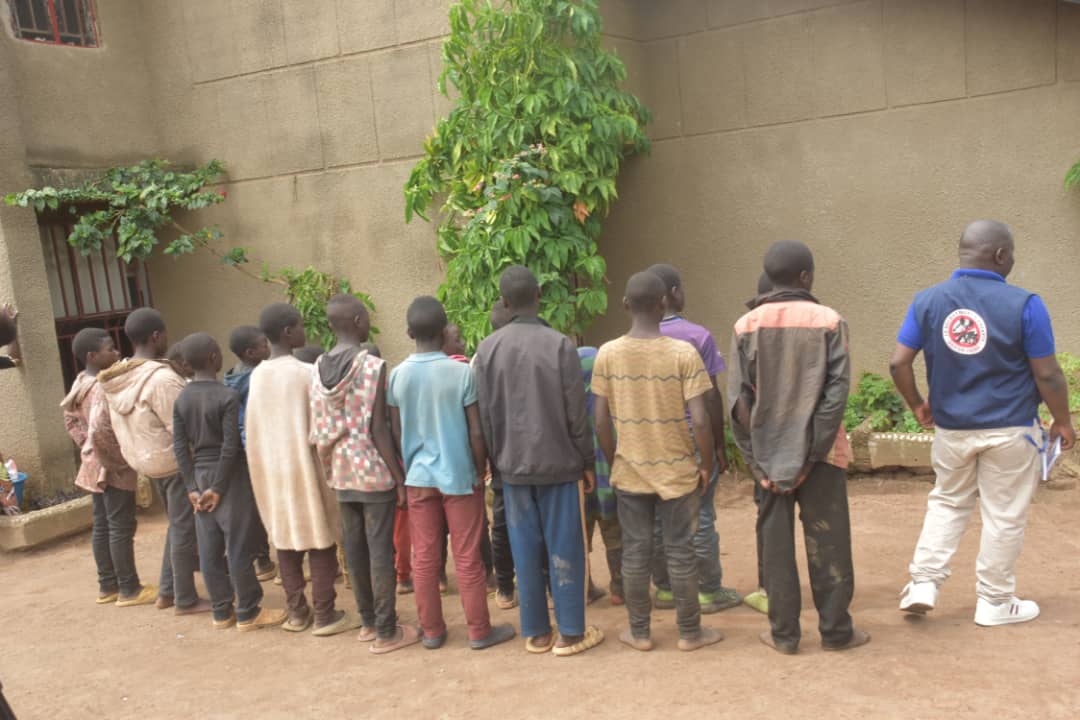
BADILIKA: UNSC Resolution 2832 Spurs DRC Child Protection Call
Summary
- The human rights NGO BADILIKA has urged the Congolese government to bolster child protection against digital exploitation.
- This call follows the adoption of UN Security Council Resolution 2832 on October 19, 2026.
- BADILIKA highlights the recruitment and exploitation of children by armed groups via social media in the Democratic Republic of Congo.
- The resolution and advocacy signal increased scrutiny on child protection in digital spaces within conflict zones.
What Happened
Lawyers and compliance officers advising entities in the DRC should anticipate potential legislative action and heightened due diligence requirements, aiming to mitigate risks of complicity or facilitation of child exploitation.
The human rights organization BADILIKA has issued a significant appeal to the Congolese government, urging enhanced measures for the protection of children within the Democratic Republic of Congo (DRC). This urgent call specifically addresses the vulnerabilities children face from violations facilitated by digital technologies, particularly within the context of ongoing armed conflict. The NGO's intervention comes as a direct response to the recent adoption of UN Security Council Resolution 2832.
BADILIKA's advocacy highlights a critical concern regarding the exploitation and recruitment of children by armed groups, a process increasingly mediated through social media platforms and other digital networks. The organization emphasizes the pressing need for robust frameworks to safeguard young individuals from these modern forms of abuse. Their statement underscores the evolving challenges in child protection, where traditional conflict dynamics intersect with the pervasive reach of digital communication tools, creating new avenues for illicit activities against minors in the DRC.
Legal Context
The impetus for BADILIKA's recent appeal stems directly from the United Nations Security Council's adoption of Resolution 2832 on October 19, 2026. This resolution, while not detailed in its specific clauses by the source, inherently signals a reinforced international commitment to addressing the plight of children in armed conflict. Such UN Security Council resolutions typically establish or reiterate mandates for member states to implement stronger protections for minors, often calling for accountability for perpetrators and preventive measures against child recruitment and exploitation.
For the Democratic Republic of Congo, a nation grappling with persistent armed conflicts, the adoption of UNSC Resolution 2832 carries significant weight. It places an amplified international spotlight on the country's efforts to uphold its obligations under international humanitarian law and human rights treaties concerning children. The resolution implicitly urges the Congolese government to align its national policies and enforcement mechanisms with these global standards, particularly in areas where digital advancements present new challenges to child safety. This legal development provides a crucial framework for advocacy groups like BADILIKA to press for concrete governmental action on Congo child protection digital initiatives.
Why It Matters
The issue raised by BADILIKA, concerning the recruitment and exploitation of children by armed groups through digital channels, represents a grave threat to human rights and societal stability in the Democratic Republic of Congo. The pervasive use of social media by armed factions to target and manipulate vulnerable youth creates a complex challenge for child protection efforts. This digital dimension of child exploitation in the DRC means that traditional monitoring and intervention strategies may no longer be sufficient, necessitating innovative approaches to safeguard minors online. The call for enhanced child protection against digital violations is therefore not merely a humanitarian plea but a strategic imperative for the nation's future.
This development holds significant implications for various stakeholders, including international organizations, technology companies, and any entity operating within the DRC, especially those with social responsibility mandates or involvement in digital platforms. The combined pressure from UNSC Resolution 2832 and the advocacy of NGOs like BADILIKA signals an impending increase in scrutiny regarding how digital spaces are managed and how effectively children are protected from online exploitation by armed groups. Lawyers and compliance officers advising entities in the DRC should anticipate potential legislative action and heightened due diligence requirements, aiming to mitigate risks of complicity or facilitation of child exploitation. This collective focus on DRC human rights digital aspects underscores a critical shift towards recognizing and addressing the digital battleground in the fight for children's safety in conflict zones.
Practical Implications
Lawyers and compliance officers advising entities operating in the DRC, especially those involved in digital platforms or with social responsibility mandates, should anticipate increased scrutiny and potential legislative action regarding child protection in digital spaces, driven by UNSC Resolution 2832 and advocacy from NGOs like BADILIKA. This necessitates reviewing existing policies and due diligence to mitigate risks of complicity or facilitation of child exploitation by armed groups.
Source
How does this affect you?
Get an AI analysis of this article grounded in your jurisdictions, practice areas, and any policy documents you've uploaded to Wansom.
Finish Reading the Full Story and the Expert Analysis.
Get the latest legal & regulatory intelligence in DR Congo
Wansom is AI and can make mistakes.