
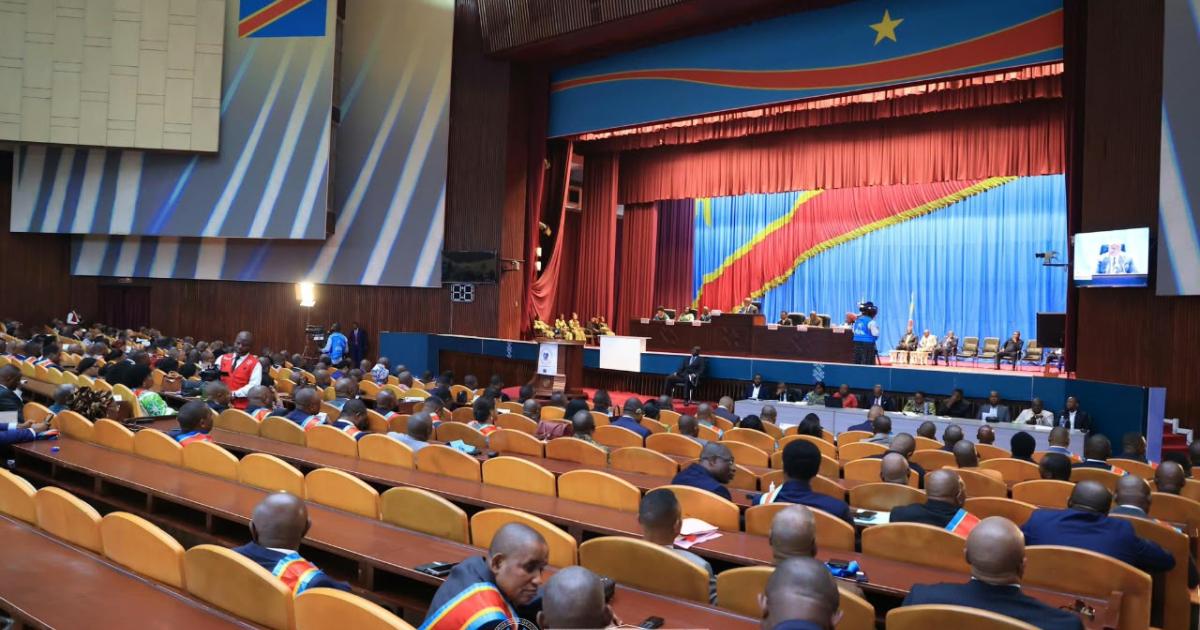
RDC Assemblée Nationale: Loi Conditions Référendum Adoptée, Cadre Légal Établi
Summary
- The National Assembly of the Democratic Republic of Congo adopted a new law on October 23, 2026.
- This law establishes the conditions for organizing referendums in the country.
- Thirteen articles of the bill were reformulated and re-examined to incorporate observations from the Constitutional Court before its adoption by majority vote.
- The legislation provides a clear legal framework for future public consultations.
- Legal professionals in the DRC must now review this law for advising on constitutional and political processes.
Legislative Milestone in the DRC
Lawyers and compliance experts must now thoroughly review the provisions of this new law to understand its full scope.
The National Assembly of the Democratic Republic of Congo (RDC) successfully adopted new legislation on Friday, October 23, 2026, which outlines the specific conditions for organizing a referendum within the nation. This significant legislative act, often referred to as the RDC loi conditions référendum adoptée, marks a crucial step in formalizing the procedures for direct public consultation on national issues.
The adoption followed a thorough parliamentary process. Lawmakers engaged in a re-examination of thirteen articles within the proposed bill. These articles were subsequently reformulated to integrate various observations and feedback received during the legislative review, specifically 13 reservations formulated by the Constitutional Court. The final vote saw the bill passed by a majority, with 346 out of 347 deputies voting in favor, underscoring broad parliamentary consensus on the framework for future referendums.
Establishing Referendum Procedures
This newly enacted law provides a comprehensive legal framework for the organization of referendums in the République démocratique du Congo. It meticulously defines the procedural steps, eligibility criteria, and operational guidelines that must be adhered to whenever the nation decides to put a question directly to its electorate. The establishment of clear Conditions organisation référendum Congo is vital for ensuring transparency and legitimacy in such critical democratic exercises.
Prior to this adoption, the specific modalities for conducting a national referendum were less explicitly codified. The Assemblée nationale RDC loi référendum now fills this gap, offering a robust legal instrument that will govern all aspects of future public votes. This Loi référendaire RDC is expected to streamline the process, from the initial proposal of a referendum question to the final declaration of results, thereby strengthening the country's democratic institutions. After its adoption by the National Assembly, the text is set to proceed to the Senate for a second reading before being transmitted to the Head of State for promulgation.
Implications for Legal Practice and Governance
The formal adoption of the law on the conditions for organizing referendums carries substantial implications for legal professionals and compliance officers operating within the Democratic Republic of Congo. This legislation establishes the definitive legal framework, procedures, and requirements for any future national public consultations, making it an essential reference point for constitutional matters.
Lawyers and compliance experts must now thoroughly review the provisions of this new law to understand its full scope. This understanding is critical for effectively advising clients on constitutional amendments, political processes, or any public consultations that may arise. Ensuring compliance with these newly established legal provisions will be paramount for all stakeholders involved in the nation's political and legal landscape.
Practical Implications
Lawyers and compliance officers in the DRC should immediately review the newly adopted law on the conditions for organizing referendums to understand the established legal framework, procedures, and requirements. This is crucial for advising clients on constitutional matters, political processes, or potential public consultations, ensuring compliance with the new legal provisions.
Source
Source: Original reporting via PMaki
How does this affect you?
Get an AI analysis of this article grounded in your jurisdictions, practice areas, and any policy documents you've uploaded to Wansom.
Finish Reading the Full Story and the Expert Analysis.
Get the latest legal & regulatory intelligence in DR Congo
Wansom is AI and can make mistakes.