
Senegal: Babacar Ba Demands IMF Agreement Details Disclosure
Summary
- Babacar Ba is demanding full transparency from Senegalese authorities regarding the details of a new economic and financial program with the IMF.
- The 36-month agreement, concluded on September 1, 2026, is valued at approximately $2.2 billion and could provide 1,243 billion FCFA to the state.
- Ba specifically seeks clarification on potential IMF subsidy removal, debt restructuring, financing maturity, and interest rates, given Senegal's debt is 132% of GDP.
- Other political figures, including Ousmane Sonko and Nicole Gakou, also advocate for the public release of the agreement's memorandum.
- Ba emphasizes that these commitments, made on behalf of the nation, will impact all citizens and require clear public disclosure.
Call for Transparency on IMF Agreement
Babacar Ba, a human rights advocate, underscores that the obligations undertaken with international financial institutions like the IMF are not merely governmental but concern all citizens.
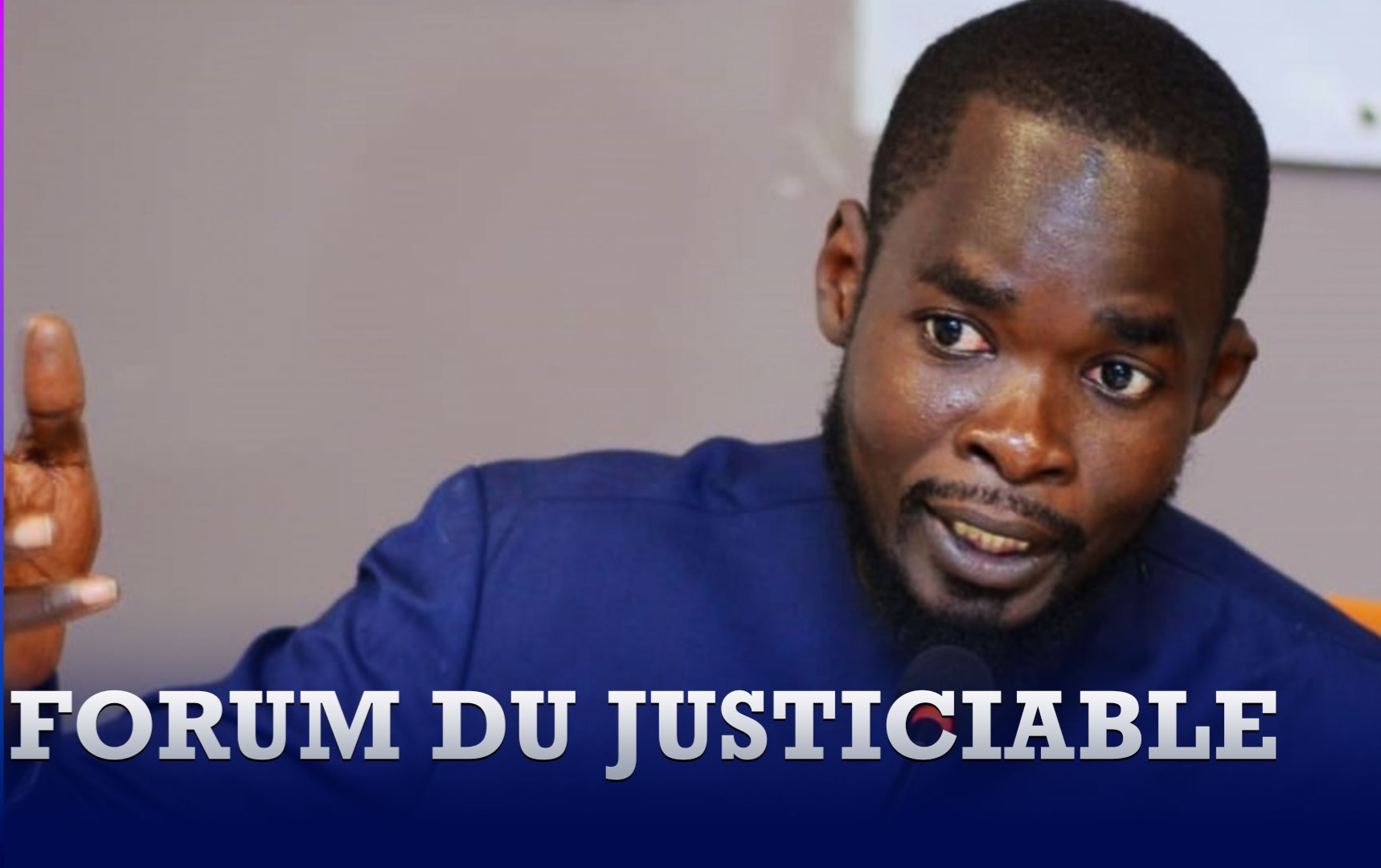
Babacar Ba, president of the Forum du justiciable, has issued a strong call for the Senegalese authorities to provide comprehensive details regarding the economic and financial program recently concluded with the International Monetary Fund (IMF). This significant agreement, finalized on September 1, 2026, is projected to inject approximately 1,243 billion FCFA into the state's coffers. Valued at around $2.2 billion over a 36-month period, the accord necessitates, according to Ba, a clear public disclosure of the specific conditions and commitments undertaken by Dakar. He argues that such transparency is crucial for citizens to understand the financial implications and reciprocal obligations associated with this substantial financial support.
Key Concerns: Subsidies and Debt Restructuring
The human rights advocate is particularly pressing for clarification on several critical aspects of the agreement. These include the precise financial modalities, the specific counterparts expected from Senegal, the maturity period of the financing, and the applicable interest rates. A central point of concern for Ba is the potential removal of subsidies, a measure that could have widespread societal impact and is often a contentious condition in IMF programs. Furthermore, he seeks explicit confirmation on whether Senegal is moving towards a restructuring of its public debt, which currently stands at an estimated 132% of the nation's Gross Domestic Product, a level that raises significant economic questions.
This demand for public access to the agreement's terms is not isolated; other prominent political figures have also voiced similar calls for transparency. Ousmane Sonko, for instance, has urged the publication of the full memorandum of understanding or, at minimum, its submission to the National Assembly for review. Similarly, Nicole Gakou and her political party have advocated for greater openness regarding the three-year program, emphasizing the importance of public scrutiny for such a substantial national commitment.
National Responsibility and Future Impact
Babacar Ba, a human rights advocate, underscores that the obligations undertaken with international financial institutions like the IMF are not merely governmental but concern all citizens. He firmly asserts that the public debt is assumed in the name of the entire nation, thereby making the commitments binding on the collective future. Consequently, Ba insists that the executive branch must fully expose the demands and conditions stipulated by the IMF. This public accounting, he contends, is essential because the agreements made with international lenders directly impact the nation's trajectory and the well-being of its populace, necessitating complete awareness and understanding from all Senegalese citizens regarding the terms that will shape their country's economic path.
Practical Implications
Lawyers and compliance officers in Senegal should closely monitor the public disclosure of the IMF agreement's terms, especially regarding potential subsidy removals or debt restructuring, as these could significantly impact client business operations, contractual obligations, and regulatory compliance frameworks.
Source
Source: Original reporting via Xibaaru
How does this affect you?
Get an AI analysis of this article grounded in your jurisdictions, practice areas, and any policy documents you've uploaded to Wansom.
Finish Reading the Full Story and the Expert Analysis.
Wansom is AI and can make mistakes.