
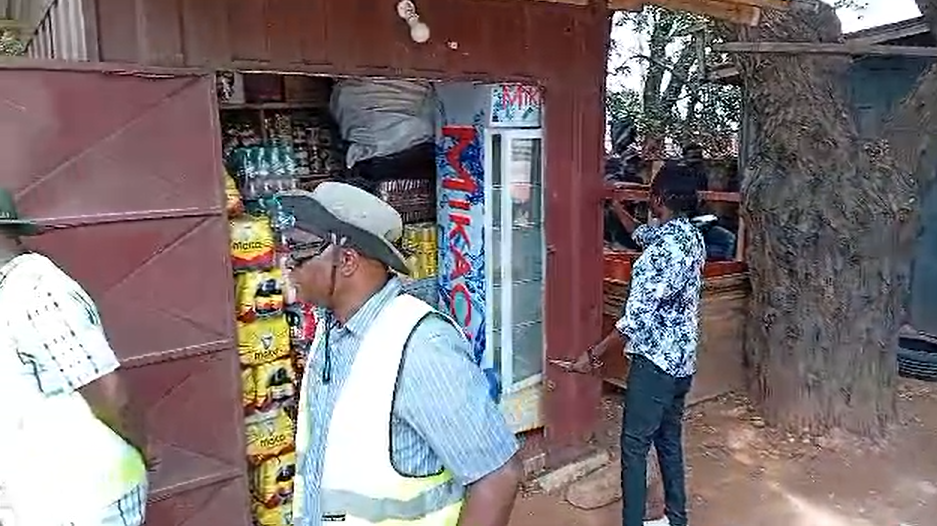
Ayawaso West Municipal Assembly: Traders Given 7 Days to Clear Walkway
The Ayawaso West Municipal Assembly in Accra, Ghana, on October 9, 2026, issued a seven-day ultimatum to traders occupying pedestrian walkways around the 37 Military Hospital to remove their goods and structures, threatening forced eviction.
This action by the municipal task force involves marking containers and other structures, directing traders to vacate the area within one week, and warning of forced removal if the deadline is not met. The stated objective is to reclaim public pedestrian space, which has been obstructed by unauthorised trading activities, thereby allowing free movement for the public. This initiative reflects a broader effort by the Assembly to enforce urban planning regulations and maintain public order.
For legal practitioners, this development underscores the significant powers vested in local government authorities in Ghana to regulate public spaces and enforce by-laws. The legal context for such actions is primarily found in the Local Governance Act, 2016 (Act 936), which empowers Metropolitan, Municipal, and District Assemblies to make and enforce by-laws related to public health, safety, and the use of public thoroughfares. Specific by-laws concerning street hawking, market operations, and obstruction of public ways would be directly applicable. The key parties involved are the Ayawaso West Municipal Assembly as the enforcing authority and the numerous informal traders operating around the 37 Military Hospital who are directly affected by the directive.
The legal significance extends to the ongoing challenges of urban management, informal sector regulation, and the balance between economic activity and public amenity. For businesses and individuals operating in the informal sector, this serves as a stark reminder of the precariousness of operating without proper permits or in non-designated areas. It highlights the potential for sudden and decisive enforcement actions by municipal authorities. The outcome of this matter, specifically the extent of compliance and the nature of any forced evictions, is not yet reported.
Practitioners advising businesses or individuals engaged in informal trade should proactively review relevant municipal by-laws and counsel clients on the importance of operating within legally sanctioned spaces. They should also advise on the procedures for obtaining permits and the potential legal ramifications of non-compliance. For property owners or businesses in the vicinity, this action could lead to improved pedestrian flow and a more orderly environment, potentially impacting commercial activity positively. Monitoring the Assembly's enforcement activities and any subsequent legal challenges will be crucial.
How does this affect you?
Get an AI analysis of this article grounded in your jurisdictions, practice areas, and any policy documents you've uploaded to Wansom.
Finish Reading the Full Story and the Expert Analysis.
Get the latest legal & regulatory intelligence in Ghana
Wansom is AI and can make mistakes.