
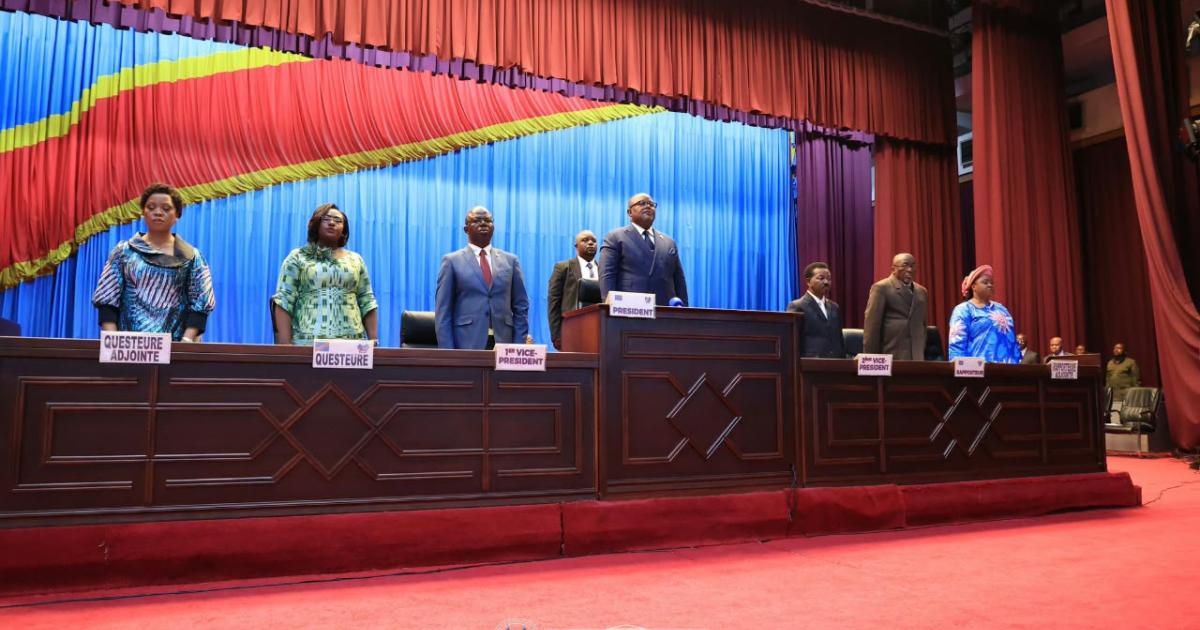
Assemblée nationale RDC: Demands Preuves Réalisations Députés by 15 Octobre
Summary
- The Democratic Republic of Congo's National Assembly Bureau has mandated national deputies to submit photo and video evidence of their achievements.
- This new requirement is in addition to the standard parliamentary recess reports.
- Legislators must provide these proofs by October 15, 2026.
- The directive, widely discussed online, signals a push for greater accountability from elected officials.
New Demands for Congolese Legislators
By requiring photo and video evidence, the National Assembly is setting a precedent for increased scrutiny, compelling deputies to engage in activities that produce visible and documentable outcomes.
The Bureau of the Democratic Republic of Congo's (RDC) National Assembly has issued a significant directive to its national deputies, requiring them to furnish concrete evidence of their accomplishments. This mandate specifically calls for the submission of photographic and video materials that substantiate the achievements made by the elected officials. The directive underscores a push for greater transparency regarding the work undertaken by members of the legislative body.
This new requirement sets a firm deadline for all national deputies. They are expected to present these visual proofs of their work no later than Thursday, October 15, 2026. The instruction from the Assemblée nationale RDC regarding these preuves réalisations députés represents a clear demand for verifiable outcomes from those holding public office.
Enhancing Parliamentary Oversight and Accountability
This recent demand for visual evidence is not an isolated measure but rather an additional layer of accountability for the Democratic Republic of Congo's national deputies. It supplements the existing requirement for legislators to submit their parliamentary recess reports, which traditionally detail their activities during breaks from legislative sessions. By requesting tangible media, the National Assembly aims to move beyond mere written accounts, seeking verifiable demonstrations of deputies' engagement and impact within their constituencies. This dual requirement, encompassing both the RDC rapport vacances parlementaires and the new visual proofs, underscores a comprehensive approach to oversight.
The document outlining these Députés nationaux RDC exigences has already garnered considerable attention, becoming widely discussed across various social media platforms. This public commentary highlights the heightened interest in and scrutiny of the actions of elected representatives, reflecting a broader societal push for Transparence parlementaire RDC. The integration of visual proof into accountability mechanisms signifies an evolving standard for public service in the country, aiming to bridge the gap between legislative mandates and visible community development.
Implications for Public Trust and Governance
The imposition of the 15 octobre délai preuves députés marks a critical juncture for governance in the Democratic Republic of Congo, signaling a more rigorous approach to evaluating the performance of its elected officials. This initiative by the Assemblée nationale RDC to demand verifiable proofs of achievements from its deputies aims to bolster public confidence by demonstrating a commitment to tangible results. It suggests a move towards a system where the work of legislators is not only reported but also visually substantiated, fostering a stronger link between promises and delivery. This increased demand for transparency could significantly influence public perception of the legislative body.
Ultimately, this development could reshape the dynamics of political accountability within the RDC. By requiring photo and video evidence, the National Assembly is setting a precedent for increased scrutiny, compelling deputies to engage in activities that produce visible and documentable outcomes. This emphasis on concrete "réalisations" is poised to influence how elected representatives approach their mandates and interact with their constituencies, potentially leading to more impactful and transparent governance and a more informed electorate. The public's ability to see and verify the work of their representatives could strengthen democratic processes.
Practical Implications
This development signals increased scrutiny and accountability for elected officials in the DRC, potentially impacting legal strategies for public interest litigation or advising political clients on compliance with parliamentary demands for transparency.
Source
Source: Original reporting via PMaki
How does this affect you?
Get an AI analysis of this article grounded in your jurisdictions, practice areas, and any policy documents you've uploaded to Wansom.
Finish Reading the Full Story and the Expert Analysis.
Get the latest legal & regulatory intelligence in DR Congo
Wansom is AI and can make mistakes.