
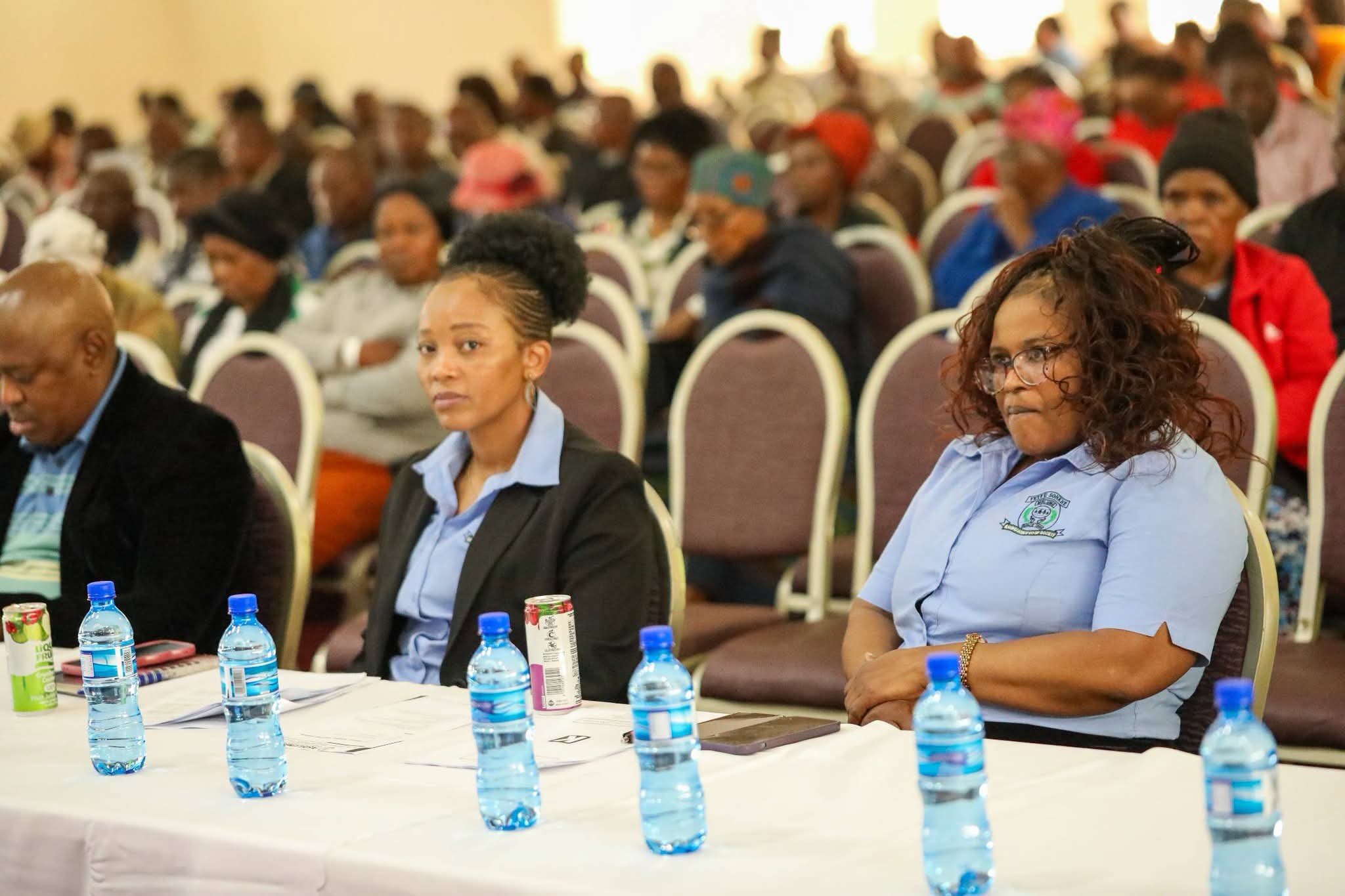
Asihlumisane SACCO Declares 12% Dividend at 31st AGM
Asihlumisane Savings and Credit Cooperative Society Ltd (HLUMA) in Eswatini recently declared a 12% dividend at its 31st Annual General Meeting, alongside a strategic initiative to bolster its membership base. This declaration signifies a distribution of financial surplus to the cooperative's members, reflecting its operational performance and commitment to member benefits. The simultaneous push for stronger membership indicates a forward-looking growth strategy aimed at expanding the cooperative's reach and impact within the Eswatini financial landscape.
This development holds significant legal implications for practitioners advising cooperative societies, their members, and regulatory bodies in Eswatini. The declaration of a dividend, particularly at a substantial 12%, underscores the stringent regulatory compliance required for financial institutions operating under a cooperative model. It highlights the importance of robust financial governance, transparent reporting, and adherence to the cooperative principles that mandate the equitable distribution of surpluses to members. Furthermore, the emphasis on membership growth necessitates compliance with membership eligibility criteria, anti-money laundering regulations, and fair marketing practices, all of which fall under the purview of legal scrutiny. For members, this event reaffirms their rights to participate in the cooperative's financial success and the society's obligations to its stakeholders.
The legal framework governing Savings and Credit Cooperative Societies (SACCOs) in Eswatini is primarily established by the Cooperative Societies Act of 2003, as amended, and its subsidiary regulations. This legislation dictates the formation, registration, internal governance, financial management, and dissolution of cooperative entities, including specific provisions for the declaration and distribution of dividends or surpluses. The Eswatini Cooperative Development Department (ECODD), operating under the Ministry of Commerce, Industry and Trade, serves as the principal regulatory authority, tasked with overseeing SACCOs to ensure their compliance with the Act and the broader cooperative principles. Additionally, the individual SACCO's registered bylaws or constitution provide specific internal rules governing dividend declarations, member eligibility, and the conduct of Annual General Meetings (AGMs), which must align with the overarching national legislation.
The key parties involved in this reported event are Asihlumisane Savings and Credit Cooperative Society Ltd, trading as HLUMA, which is the cooperative entity making the dividend declaration and pursuing membership growth. Its existing and prospective members are crucial stakeholders, directly impacted by the dividend payout and the membership drive. The Eswatini Cooperative Development Department (ECODD) is the relevant regulatory body responsible for overseeing HLUMA's compliance with cooperative laws. The Eswatini Daily News is the media outlet that reported on this development, bringing it to public attention. The outcome of this matter, specifically the actual distribution of the dividend and the success of the membership drive, is not explicitly detailed beyond the declaration.
Attorneys advising SACCOs in Eswatini should meticulously review their clients' adherence to the Cooperative Societies Act, 2003, and their own constitutional documents concerning dividend declarations, financial reporting, and the procedural requirements for AGMs. It is imperative to ensure that all financial distributions are legally sound and that any membership expansion initiatives comply with regulatory standards for onboarding, data protection, and ethical marketing. For legal professionals representing members, understanding the rights associated with dividend payouts and the cooperative's financial health is paramount. Practitioners should also remain vigilant for any updated guidance or directives from ECODD that might impact governance, financial stability, or member protection within the cooperative sector, especially as SACCOs like HLUMA focus on growth and member benefits.
How does this affect you?
Get an AI analysis of this article grounded in your jurisdictions, practice areas, and any policy documents you've uploaded to Wansom.
Wansom is AI and can make mistakes.