
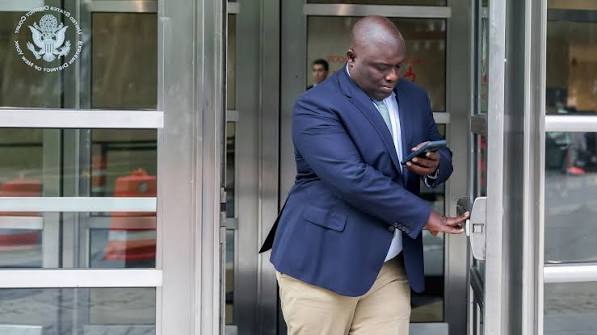
Asante Kwaku Berko Convicted Under Foreign Corrupt Practices Act
Summary
- A US federal jury has convicted Ghanaian businessman Asante Kwaku Berko of conspiracy to violate the Foreign Corrupt Practices Act.
- The conviction marks a significant milestone in the ongoing investigation into corruption surrounding the power plant contract between a Turkish energy company and the government of Ghana.
- Ghanaian authorities are working closely with US counterparts to bring other individuals linked to the alleged bribery scheme to justice.
- The case highlights the importance of compliance with anti-corruption laws, particularly under the FCPA, in international business dealings.
Conviction Marks New Chapter in Power Plant Corruption Investigation
The Honourable Attorney-General is working with his United States counterparts to bring to book persons who are implicated in the bribery scheme related to the 2014-2017 power plant development contract between a Turkish energy company and the Government.
A United States federal jury in Brooklyn, New York has convicted Ghanaian businessman and former MD of Tema Oil Refinery (TOR), Asante Kwaku Berko on charges relating to a bribery scheme linked to a power plant development contract between a Turkish energy company and the government of Ghana. The conviction marks a significant milestone in the ongoing investigation into corruption surrounding the 2014-2017 power plant contract. Berko's conviction is seen as a major breakthrough in the efforts to bring those implicated in the alleged bribery scheme to justice.
The Attorney-General's Office, led by Deputy Attorney General Justice Srem-Sai, has been working closely with US authorities to ensure that persons implicated in the alleged scheme are brought to book. The collaboration follows Berko's conviction and is aimed at pursuing other individuals linked to the bribery scheme.
Relevant Legal/Regulatory Context
The Foreign Corrupt Practices Act (FCPA) is a key piece of legislation that underpins the investigation into corruption surrounding the power plant contract. The FCPA prohibits companies and individuals from engaging in bribery and other corrupt practices to secure business advantages. In this case, Berko's conviction on charges relating to conspiracy to violate the FCPA highlights the importance of compliance with anti-corruption laws in international business dealings. The investigation and potential prosecution of other persons linked to the alleged bribery scheme remain ongoing, underscoring the need for companies and individuals to ensure that they are meeting their obligations under the FCPA.
The power plant contract between a Turkish energy company and the government of Ghana has been shrouded in controversy since its inception. The contract was signed in 2014 and was intended to provide electricity to the Tema region. However, allegations of corruption and bribery have dogged the project from the outset, with several individuals implicated in the alleged scheme.
The investigation into corruption surrounding the power plant contract has been ongoing for several years, with Ghanaian authorities working closely with US counterparts to bring those implicated to justice.
Why It Matters
Berko's conviction and the ongoing efforts to bring other individuals linked to the alleged bribery scheme to justice have significant implications for companies operating in international markets. The case highlights the importance of compliance with anti-corruption laws, particularly under the FCPA. Companies must ensure that they are meeting their obligations under the law to avoid exposure to charges of bribery and corruption.
The investigation into corruption surrounding the power plant contract also underscores the need for greater transparency and accountability in international business dealings. The case serves as a reminder that companies and individuals operating in foreign markets must be mindful of local laws and regulations, including anti-corruption laws.
As the investigation continues, lawyers should watch for potential exposure to FCPA charges in similar international business dealings and advise clients on compliance with anti-corruption laws in contracts involving foreign governments.
Practical Implications
Lawyers should watch for potential exposure to FCPA charges in similar international business dealings, and advise clients on compliance with anti-corruption laws in contracts involving foreign governments.
Source
How does this affect you?
Get an AI analysis of this article grounded in your jurisdictions, practice areas, and any policy documents you've uploaded to Wansom.
Wansom is AI and can make mistakes.