
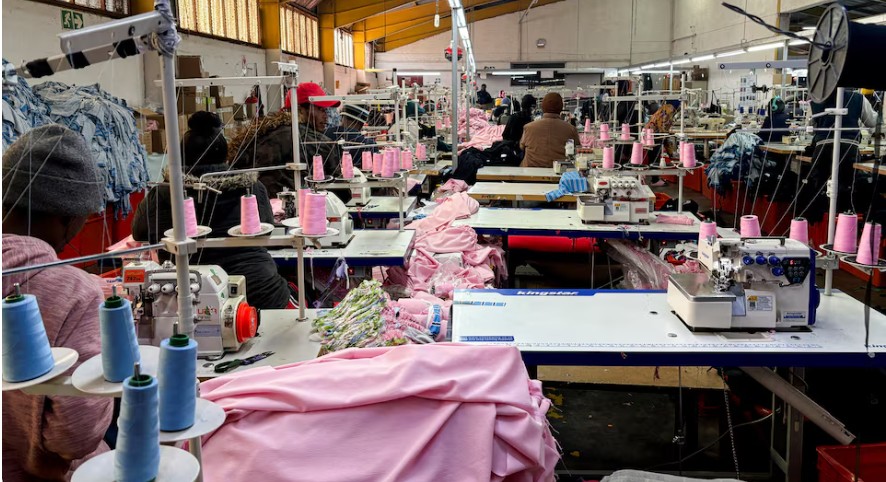
South African Clothing Factories Struggle After Migrant Worker Exodus
Summary
- Thousands of migrant workers fled South Africa after xenophobic protests, leaving clothing factories in Newcastle struggling to fill vacancies.
- Factory owners lost between 12% and 19% of their workforce during the protests, with some skills in short supply.
- Local manufacturers are finding it difficult to attract local workers due to low-paying jobs and unappealing working conditions.
- The South African government has championed the garment industry, but factory owners are struggling to adapt to changing labour markets.
What Happened
In the aftermath of xenophobic protests that drove thousands of migrant workers out of South Africa, clothing factories in Newcastle have struggled to fill the resulting vacancies. According to factory owners, they lost between 12% and 19% of their workforce during the protests, with some workers having skills in short supply. Local manufacturers are finding it difficult to attract local workers due to low-paying jobs and unappealing working conditions. Analysts say that migrants typically work in sectors that are not appealing to locals, exacerbating the labour shortages. The situation has been further complicated by the fact that many migrant workers lived on site at some factories, making it harder for employers to replace them.
Legal/Regulatory Context
The South African government has championed the garment industry as a way to reduce reliance on imports and boost the economy. However, factory owners are struggling to adapt to changing labour markets, particularly with regards to migrant worker employment. The Department of Employment and Labour has been advised employers to seek assistance with recruitment, but it remains unclear how widespread current labour shortages may be. Factory owners argue that they mostly employ South Africans, while some skilled workers from neighbouring Eswatini and Lesotho are needed for their experience in the garment sector. Meanwhile, researchers dispute the claim that immigrants are responsible for South Africa's economic woes, particularly high unemployment.
Why It Matters
The labour shortages in Newcastle's garment factories highlight the potential for compliance exposure and liability for employers who fail to adapt to changing labour markets. Employers may need to reassess their recruitment strategies and consider implementing measures to attract local workers or provide training programs to address skills shortages. The situation also underscores the need for a government push to revitalise the sector, including improving working conditions and offering opportunities for upward mobility. As most of Newcastle's garment factories are owned by Chinese nationals, the issue raises questions about the role of foreign investment in addressing labour market challenges.
Practical Implications
This development highlights the potential for compliance exposure and liability for employers in South Africa who fail to adapt to changing labour markets, particularly with regards to migrant worker employment. Employers may need to reassess their recruitment strategies and consider implementing measures to attract local workers or provide training programs to address skills shortages.
Source
How does this affect you?
Get an AI analysis of this article grounded in your jurisdictions, practice areas, and any policy documents you've uploaded to Wansom.
Wansom is AI and can make mistakes.