
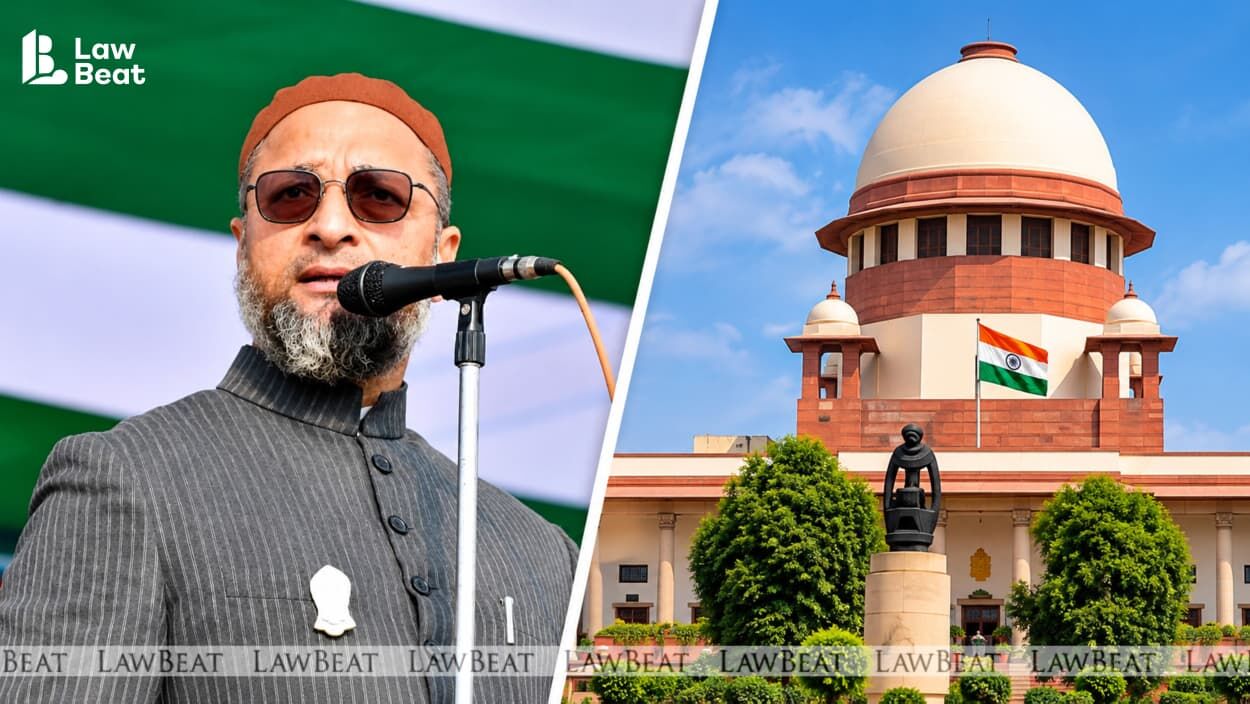
Asaduddin Owaisi: SIR Electoral Rolls Challenge Reaches Supreme Court
Summary
- AIMIM chief Asaduddin Owaisi has moved the Supreme Court, challenging the methodology of the Special Intensive Revision (SIR) of electoral rolls.
- A separate petition by Rahul Gandhi and other opposition leaders alleges the Chief Election Commissioner overstepped powers and questions the modified Form 6 and voter exclusions.
- The Supreme Court recently clarified it has neither approved nor disapproved the modified Form 6 used by the Election Commission of India.
- CJI Surya Kant's bench will consider listing Owaisi's petition with other similar matters, including the one filed by Rahul Gandhi.
- Previously, a CJI Surya Kant-led bench upheld the legality of SIR in Bihar, stating it aligns with the Representation of the People Act, 1950.
What Happened
The Supreme Court unequivocally stated that it has neither approved nor disapproved the modified Form 6 used by the ECI during the Special Intensive Revision, emphasizing that it had not adjudicated upon the modified form itself.
Asaduddin Owaisi, leader of the AIMIM party, has initiated a legal challenge before the Supreme Court concerning the Special Intensive Revision (SIR) of electoral rolls. His petition specifically contests the methodology employed in conducting this revision exercise. Advocate Nizam Pasha presented Owaisi's plea to a bench presided over by Chief Justice of India Surya Kant, requesting that it be consolidated with other similar cases already awaiting review by the apex court.
The Chief Justice indicated that he would examine the request to list Owaisi's petition alongside related matters, some of which were scheduled for hearing on Thursday, October 15, 2026. This move by Owaisi follows a broader pattern of scrutiny regarding the electoral process.
Broader Challenges to Electoral Integrity
In a related development, a separate and comprehensive electoral petition has been filed by opposition leaders, including Rahul Gandhi, the Leader of the Opposition in the Lok Sabha, and Mallikarjun Kharge, the Leader of the Opposition in the Rajya Sabha, along with other Members of Parliament. This petition, submitted under Article 32 of the Constitution, raises significant concerns about the Election Commission of India's (ECI) conduct during the Special Intensive Revision of electoral rolls. It specifically alleges that the Chief Election Commissioner independently exercised powers that are collectively vested in the Election Commission, rather than acting in concert with the full body.
The petitioners have urged the Supreme Court to mandate the production of the ECI's internal files, minutes, and notings. This request aims to facilitate a judicial review of whether the Commission's decisions were made in accordance with legal provisions. Furthermore, this extensive challenge questions the legitimacy of the modified statutory Form 6, which is used for voter registration, and scrutinizes the operational design of the ECINET and ERONET electoral-roll databases. A key concern highlighted is the alleged widespread exclusion of eligible voters without adequate prior notification, proper hearings, or the provision of an effective mechanism for their re-inclusion into the electoral rolls.
Judicial Precedent and Form 6 Clarification
The Supreme Court has previously addressed aspects of the Special Intensive Revision electoral rolls. In May of the same year, a bench led by Chief Justice of India Surya Kant delivered a verdict upholding the ECI's SIR process in Bihar. That ruling affirmed that the SIR is not in conflict with the provisions of the Representation of the People Act, 1950, or the rules established under it. The Court specifically stated that the SIR "does not supplant the Representation of the People Act and the Rules. Rather, it breathes life into the constitutional mandate under Article 324 within the precise statutory contours provided by Section 21(3)," concluding that the Commission had not exceeded its statutory authority in that instance.
Despite this prior affirmation of the SIR's legality, the Supreme Court recently issued a clarification regarding the modified Form 6. This clarification came after a petitioner noted a discrepancy: the Court had previously indicated it had not approved the modified form, while the ECI had asserted that a declaration attached to the form had been upheld by the Court. The Supreme Court unequivocally stated that it has neither approved nor disapproved the modified Form 6 used by the ECI during the Special Intensive Revision, emphasizing that it had not adjudicated upon the modified form itself.
Why These Challenges Matter
The ongoing legal proceedings, including the Asaduddin Owaisi SIR electoral rolls challenge and the broader Rahul Gandhi electoral petition, carry significant implications for the integrity and transparency of India's democratic process. The Supreme Court's examination of the manner in which the Special Intensive Revision electoral rolls are conducted, the alleged overreach of Election Commission of India powers, and the Supreme Court Form 6 modification issues could redefine the operational boundaries for electoral authorities.
The outcome will not only impact the validity of current electoral rolls but also set precedents for future voter registration drives and the resolution of electoral disputes. These challenges underscore the critical role of judicial oversight in ensuring that electoral processes, including the use of databases like ECINET and ERONET, adhere strictly to constitutional principles and statutory requirements, thereby safeguarding the fundamental right to vote for all citizens.
Practical Implications
Lawyers advising political parties, candidates, or NGOs involved in electoral processes should closely monitor the Supreme Court's proceedings regarding the Special Intensive Revision (SIR) of electoral rolls. The outcome of this challenge, particularly concerning the methodology of SIR and the modification of Form 6, could significantly impact voter registration, the validity of electoral rolls, and future election petitions, potentially requiring adjustments to compliance strategies for electoral integrity.
Source
How does this affect you?
Get an AI analysis of this article grounded in your jurisdictions, practice areas, and any policy documents you've uploaded to Wansom.
Finish Reading the Full Story and the Expert Analysis.
Get the latest legal & regulatory intelligence in India
Wansom is AI and can make mistakes.