
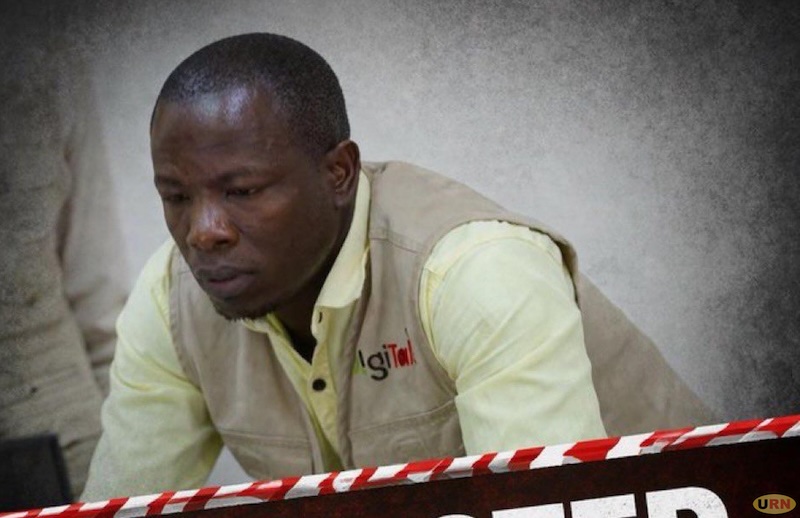
Arnold Mukose Charges Dismissed Uganda: Journalist Case Dropped
Summary
- Ugandan journalist Arnold Anthony Mukose saw all charges against him dismissed by the Law Development Centre Magistrate's court.
- Mukose had been accused of falsely announcing the death of First Lady Janet Kataaha Museveni.
- Grade one magistrate Ivan Maloba dismissed the case for want of prosecution due to the State's failure to present witnesses or the police file.
- This decision underscores the critical importance of procedural compliance and the State's burden of proof in criminal proceedings.
Charges Against Journalist Dismissed
The inability of the prosecution to present a coherent case, evidenced by their failure to produce a police file or witnesses, demonstrates that the judiciary can and will intervene when due process is not observed.
A prominent journalist in Uganda, Arnold Anthony Mukose, has recently had all charges against him formally dismissed by the Law Development Centre Magistrate's court. Mr. Mukose, who reports for Alternative Digital, was facing accusations related to the false announcement of the death of First Lady Janet Kataaha Museveni. The decision to drop the charges was rendered on Monday by Grade one magistrate Ivan Maloba, bringing an end to the legal proceedings against the reporter.
Legal Context and Procedural Failures
The dismissal of the charges against Arnold Mukose at the Law Development Centre Magistrate's court provides a stark illustration of the fundamental importance of procedural compliance within Uganda's legal framework. The accusation against Mr. Mukose, that he falsely announced the death of First Lady Janet Kataaha Museveni, was inherently grave, touching upon issues of public order and the dissemination of information concerning high-ranking public figures. However, the State's responsibility to prove such allegations is paramount, and it hinges on their ability to adhere to established legal protocols.
Magistrate Ivan Maloba's decision to dismiss the case for "want of prosecution" directly addresses the State's failure to meet its evidentiary obligations. In any criminal trial, the prosecution bears the burden of proof, which necessitates presenting credible witnesses and relevant documentation to substantiate their claims. The inability to produce the police file, which would contain the official record of the investigation, evidence collected, and statements taken, alongside the complete absence of witnesses, rendered the prosecution's position untenable. This significant "Uganda media law prosecution failure" underscores that even in cases with perceived public interest, the State cannot bypass the rigorous demands of due process. The outcome serves as a critical reminder that mere accusation is insufficient; robust evidence and adherence to legal procedure are indispensable for a successful prosecution.
Implications for Media Freedom
The resolution of the Arnold Mukose case, with all charges dropped, carries significant implications for the landscape of "freedom of press Uganda." While the specifics of the accusation — the false announcement of the First Lady's death — were serious, the manner of the dismissal sends a clear message regarding the State's obligation to uphold legal standards when prosecuting journalists. This outcome reinforces the principle that the State cannot merely initiate proceedings without the capacity or willingness to follow through with the necessary legal steps, such as presenting witnesses or providing crucial investigative documents.
For media professionals and legal practitioners in Uganda, this dismissal for want of prosecution serves as a critical precedent. It highlights the indispensable role of procedural compliance and the State's unwavering burden of proof in criminal proceedings, particularly those targeting journalists. The inability of the prosecution to present a coherent case, evidenced by their failure to produce a police file or witnesses, demonstrates that the judiciary can and will intervene when due process is not observed. This development may offer a strategic point for lawyers defending other media professionals, emphasizing that the State must not only bring charges but also possess the concrete evidence and procedural rigor to sustain them in court. The case underscores that the protection of journalistic activity, even when controversial, is intrinsically linked to the robust application of legal safeguards.
Practical Implications
This case underscores the critical importance of procedural compliance and the State's burden of proof in criminal proceedings, particularly in cases involving journalists. Lawyers defending media professionals in Uganda should note this dismissal for want of prosecution as a potential strategic point or precedent.
Source
How does this affect you?
Get an AI analysis of this article grounded in your jurisdictions, practice areas, and any policy documents you've uploaded to Wansom.
Wansom is AI and can make mistakes.