
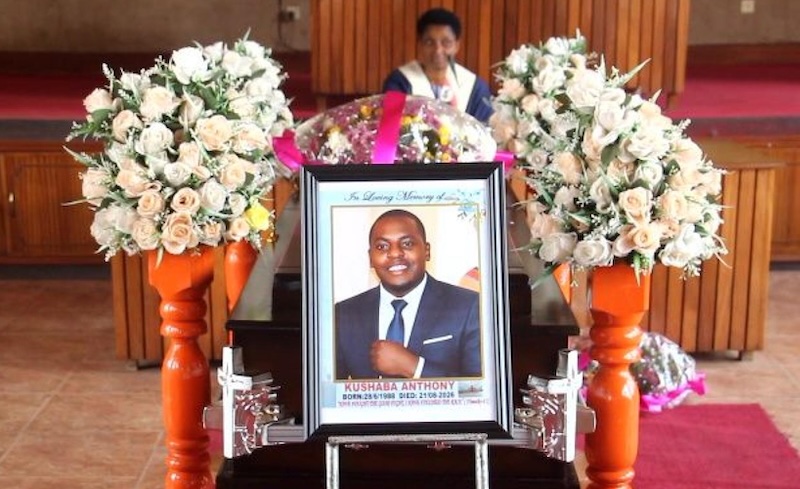
Uganda: Anthony Kushaba Suspected Poisoning Spurs Criminal Investigation
Summary
- A postmortem examination of Ugandan journalist Anthony Kushaba's body has raised suspicions of poisoning.
- Investigators have been advised to conduct further tests on samples to confirm the initial findings.
- Dr. Dorcus Buregyeya led the team that performed the initial postmortem, which also noted signs consistent with a possible heart attack.
- The exact cause of Anthony Kushaba's death has not yet been definitively established.
- The investigation highlights the critical role of forensic toxicology in complex death cases in Uganda.
Initial Findings in Journalist's Death
The handling and interpretation of forensic toxicology findings in this case could establish important precedents for future poisoning or homicide cases across the nation.
The death of Ugandan journalist Anthony Kushaba has prompted a criminal investigation following initial postmortem examinations that suggest potential foul play. Forensic analysis conducted on Kushaba's remains has raised suspicions of poisoning, leading authorities to recommend more extensive testing. This development places the focus squarely on the need for thorough forensic toxicology to ascertain the precise circumstances surrounding his demise. The preliminary findings underscore the complexity of determining a definitive cause of death when multiple factors might be at play.
The postmortem, led by Dr. Dorcus Buregyeya, revealed signs that are consistent with a possible heart attack, alongside the indicators pointing towards poisoning. This dual observation necessitates a meticulous approach to the ongoing investigation. The call for further laboratory analysis of samples taken from Kushaba's body is critical to either confirm or rule out the presence of toxic substances and to differentiate between potential causes. The outcome of these advanced tests will be pivotal in guiding the direction of the broader inquiry into the journalist's death.
The Ongoing Forensic Investigation
The recommendation for additional forensic tests highlights the crucial role of toxicology in complex death investigations, particularly in cases like Anthony Kushaba's suspected poisoning in Uganda. These advanced analyses are designed to identify any specific chemical compounds or toxins that may have contributed to his death, providing concrete evidence beyond initial suspicions. The process involves detailed examination of tissue and fluid samples, which can take considerable time to yield conclusive results.
Dr. Buregyeya's team, having completed the initial postmortem, has provided a foundation for the subsequent stages of the inquiry. The presence of signs consistent with a heart attack alongside poisoning indicators means investigators must meticulously analyze all data to establish the primary cause. This careful approach is essential to ensure the integrity of the investigation and to provide clarity regarding the journalist's passing. The thoroughness of this Uganda criminal investigation toxicology work will be paramount in addressing the suspicions that have emerged.
Legal and Precedential Implications
The unfolding investigation into Anthony Kushaba's death carries significant implications for criminal law practitioners in Uganda. The handling and interpretation of forensic toxicology findings in this case could establish important precedents for future poisoning or homicide cases across the nation. The meticulous collection, analysis, and presentation of evidence related to the Kushaba postmortem poison findings will be closely scrutinized, setting a benchmark for how similar complex cases are managed within the Ugandan legal system.
Should the further tests confirm poisoning, the subsequent legal proceedings would hinge heavily on the scientific evidence presented. This scenario would test the capacity of the Ugandan justice system to effectively prosecute cases based on advanced forensic science. The outcome will not only bring closure to Kushaba's family but also provide a critical reference point for legal professionals grappling with the intricacies of forensic evidence in criminal trials, particularly concerning suspected poisonings.
Why This Investigation Matters
The death of Anthony Kushaba, a journalist in Uganda, and the subsequent investigation into his suspected poisoning, underscores the vital importance of robust forensic capabilities and transparent legal processes. When a postmortem raises suspicions of foul play, especially involving potential poisoning, the public's trust in the justice system often depends on the thoroughness and impartiality of the inquiry. The definitive determination of the cause of death is not merely a medical exercise but a cornerstone of criminal justice.
This case serves as a critical example of how forensic science, specifically toxicology, can unravel complex circumstances surrounding a death. The findings from the ongoing tests will be crucial in dispelling speculation and establishing facts, which is essential for accountability. The meticulous progression of the Uganda journalist death investigation, from initial postmortem findings to advanced toxicology, will ultimately shape perceptions of justice and the rule of law in the country, particularly in cases where the cause of death is initially ambiguous.
Practical Implications
Criminal law practitioners in Uganda should closely follow the developments in the Anthony Kushaba death investigation, particularly the forensic toxicology findings, as the handling and interpretation of this evidence could establish important precedents for future poisoning or homicide cases.
Source
How does this affect you?
Get an AI analysis of this article grounded in your jurisdictions, practice areas, and any policy documents you've uploaded to Wansom.
Wansom is AI and can make mistakes.