
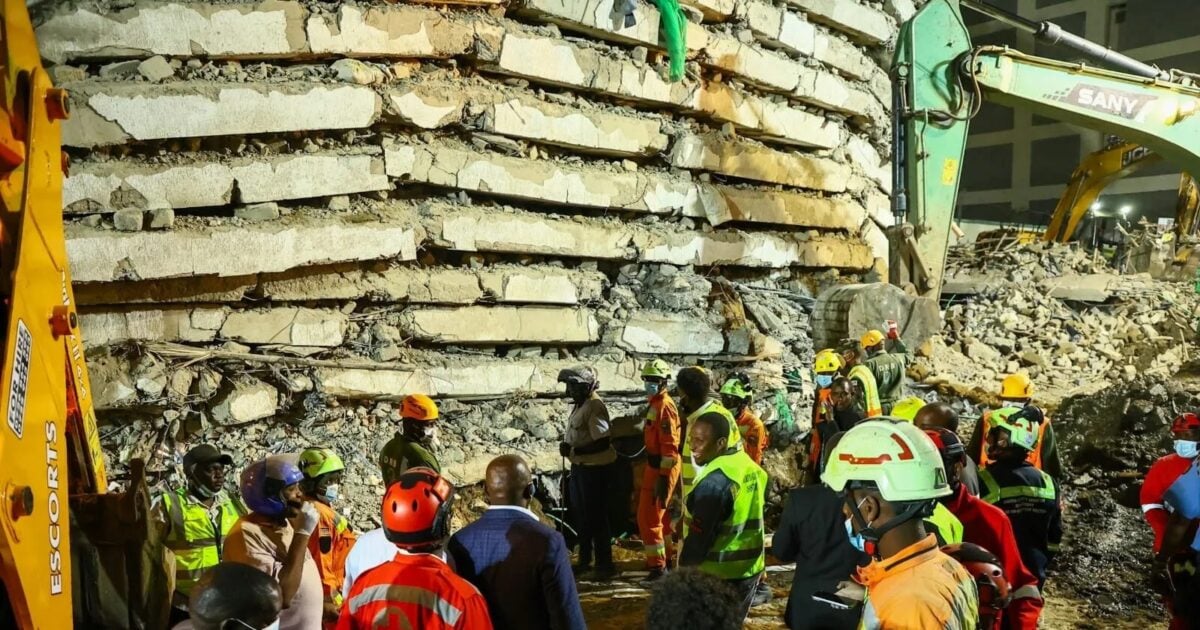
Architects Alliance Kenya: Demands National Building Audit After Eastleigh Collapse
Summary
- The Architects Alliance (TAA) has called for an urgent nationwide audit of buildings and comprehensive construction sector reforms following a building collapse in Eastleigh, Nairobi, on October 23, 2026.
- TAA president Sen. Dr. Sylvia Kasanga stated that recurring incidents indicate systemic weaknesses in development approvals, inspections, and enforcement.
- The alliance proposes strengthening the Office of the City Architect Nairobi and establishing equivalent county offices to enhance technical leadership in development control.
- TAA urges the National Construction Authority (NCA) and the Board of Registration of Architects and Quantity Surveyors (BORAQS) to collaborate on a national program for preventing building failures.
- The organization advocates for a national building failure investigation and prevention framework, including public disclosure of past investigation reports and profession-specific regulatory frameworks.
Urgent Call for National Building Audit
The Architects Alliance Kenya national building audit proposal includes an immediate, risk-based assessment of both existing and ongoing construction projects by national and county governments.
Following the collapse of a building in Eastleigh, Nairobi, on October 23, 2026, The Architects Alliance (TAA) has issued an urgent demand for a comprehensive nationwide audit of buildings and significant reforms within Kenya's construction sector. TAA President Sen. Dr. Sylvia Kasanga emphasized that recurring incidents of this nature highlight deep-seated systemic flaws in the processes governing development approvals, inspections, and enforcement across the country. The alliance contends that relying solely on post-disaster investigations and enforcement is insufficient, advocating instead for proactive measures to address long-standing safety deficiencies.
The Architects Alliance Kenya national building audit proposal includes an immediate, risk-based assessment of both existing and ongoing construction projects by national and county governments. This audit should specifically prioritize densely populated urban areas and structures exhibiting signs of structural distress. Furthermore, TAA has called for an independent technical investigation into the recent Eastleigh building collapse, with its findings, including details on the building's approval status, construction supervision, inspections, and any prior enforcement actions, to be made public. The organization also extended its condolences to all affected by the incident, including workers, residents, and property owners, urging authorities to prioritize rescue efforts, assess the safety of surrounding structures, and provide timely public information.
Systemic Weaknesses and Proposed Reforms
The Architects Alliance asserts that the precise cause of the Eastleigh building collapse 2026 must be determined through an independent technical inquiry. However, the frequent occurrence of such incidents, including a similar collapse in South C in January and subsequent concerns raised in June, points to broader questions regarding the efficacy of institutions tasked with regulating construction. TAA warns that isolated investigations, arrests, or temporary enforcement operations will not resolve the fundamental issues contributing to building failures.
To address these systemic problems, TAA advocates for reforms spanning the entire development lifecycle, from initial project design and approvals through construction, supervision, inspection, and ultimately, occupation certification. The alliance stresses that accountability is crucial, demanding that individuals found culpable of negligence, professional misconduct, corruption, or other unlawful acts face appropriate consequences through fair legal processes. However, TAA maintains that such accountability after a disaster is inadequate without robust preventive measures designed to ensure that unsafe buildings are neither constructed nor occupied.
Strengthening Regulatory Frameworks and Oversight
The Architects Alliance has put forth several key proposals aimed at bolstering regulatory oversight and technical leadership within Kenya's built environment. These include strengthening the Office of the City Architect Nairobi and establishing equivalent Offices of the Chief Architect in all counties to provide coordinated technical guidance in development control. TAA also urges a collaborative effort among the National Construction Authority (NCA), the Board of Registration of Architects and Quantity Surveyors (BORAQS), Parliament, professional associations, and other stakeholders to develop a unified national program for building failure prevention.
Central to TAA's vision for Kenya construction sector reforms is the creation of a national building failure investigation and prevention framework. This framework would maintain a publicly accessible record detailing technical findings, recommendations, responsible institutions, and progress on corrective actions. The alliance also demands the public disclosure of past building collapse investigation reports, including identified causes, recommendations, and actions taken by relevant authorities, to ensure transparency and demonstrate whether previous inquiries have led to meaningful reforms. Finally, TAA advocates for independent, profession-specific regulatory frameworks for built-environment professionals, emphasizing that Kenyans deserve assurance that similar incidents will not continue to occur.
Practical Implications
Lawyers and compliance officers in Kenya's construction and real estate sectors should anticipate heightened regulatory scrutiny, potential new compliance requirements, and increased liability risks as calls for systemic reforms and a national building audit gain traction. They should advise clients to review current development approval processes, construction supervision, and safety protocols to mitigate future exposure and prepare for potential changes in regulatory frameworks and enforcement.
Source
How does this affect you?
Get an AI analysis of this article grounded in your jurisdictions, practice areas, and any policy documents you've uploaded to Wansom.
Finish Reading the Full Story and the Expert Analysis.
Get the latest legal & regulatory intelligence in Kenya
Wansom is AI and can make mistakes.