
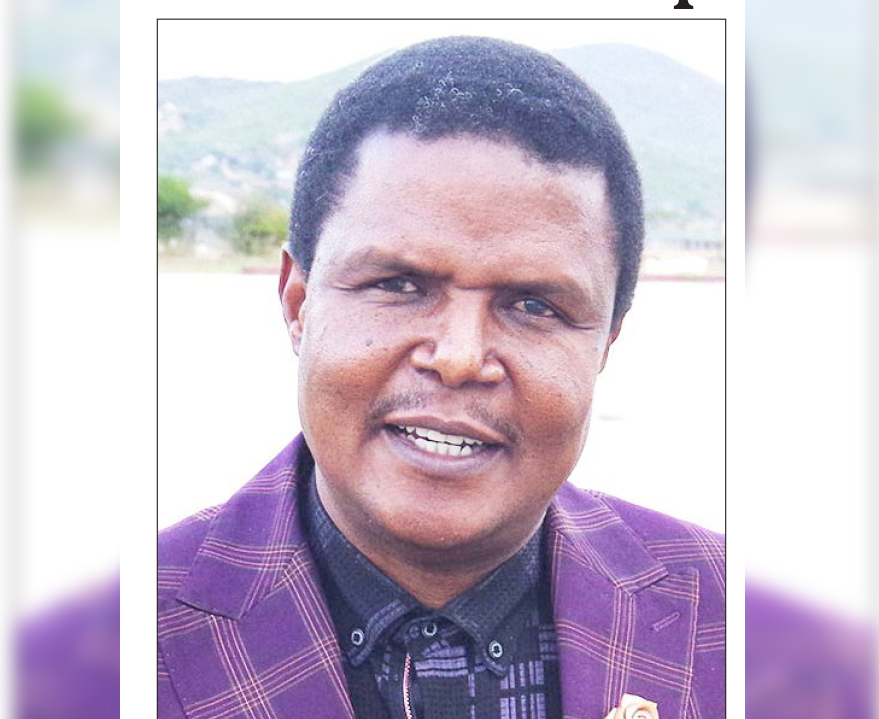
Eswatini: Apostle Jeremiah Dlamini Church Dispute Reaches Court
Summary
- Just three months after the death of its founder, Apostle Jeremiah Dlamini, the Faith Christian Fellowship Church in Eswatini became embroiled in a leadership dispute.
- The conflict primarily revolves around the late Apostle's two wives and who should occupy the traditional position associated with the pastor's spouse.
- The division among the church's brethren led to the matter being brought before Magistrate Thamsanqa.
- This case highlights the legal complexities arising from succession disputes in religious organizations, particularly when traditional practices intersect with formal governance.
The Succession Conflict Unfolds
The Apostle Jeremiah Dlamini church dispute in Eswatini highlights the often-unforeseen challenges that can arise in religious organizations after the death of a charismatic founder.
A significant leadership dispute has erupted within the Faith Christian Fellowship Church in Eswatini, just three months following the passing of its esteemed founder, Apostle Jeremiah Dlamini. This internal conflict has deeply divided the congregation, primarily centering on issues related to the late Apostle's two wives and the subsequent question of who should assume the traditional role associated with the pastor's spouse. The sudden vacuum in leadership, compounded by the complexities of familial relationships, quickly escalated into a public and legal matter.
The Apostle Jeremiah Dlamini church dispute in Eswatini highlights the often-unforeseen challenges that can arise in religious organizations after the death of a charismatic founder. The swift emergence of contention underscores the vulnerability of institutions lacking clear, pre-established succession protocols. The division among the brethren points to a deeper struggle over authority and the interpretation of traditional roles within the church's governance structure, setting the stage for a protracted internal battle.
This unfolding scenario has drawn the attention of the legal system, with the matter brought before Magistrate Thamsanqa. The involvement of the courts signals that the internal mechanisms for resolving such a profound disagreement within the Faith Christian Fellowship Church have either been exhausted or were insufficient to address the gravity of the situation. The legal intervention underscores the broader implications of such disputes, transforming what might initially appear as a private church matter into a public legal challenge.
Roots of the Leadership Dispute
At the heart of the Faith Christian Fellowship Church succession crisis lies the contentious issue of Apostle Dlamini's two wives. This particular aspect has become a focal point of the congregational division, as members grapple with the implications of this family dynamic on the church's future leadership and internal harmony. The presence of multiple spouses introduces a layer of complexity not typically encountered in succession planning for many religious bodies, particularly concerning the traditional status and responsibilities often accorded to a pastor's wife.
The secondary, yet equally critical, point of contention revolves around the question of who is entitled to occupy the position traditionally associated with the pastor's wife. This role often carries significant influence, both spiritual and administrative, within a church community. The absence of a clear designation or a universally accepted custom regarding this position, especially in the context of a founder with two wives, has fueled the ongoing discord. This aspect of the Apostle Dlamini wives leadership dispute underscores how deeply traditional practices and expectations are intertwined with formal church governance, particularly in an Eswatini religious organization legal conflict.
Such a scenario illuminates the challenges faced by religious institutions when personal and familial structures intersect with organizational leadership. Without explicit guidelines or a robust constitutional framework addressing polygamous relationships or the succession of spousal roles, internal conflicts can quickly escalate. The dispute within the Faith Christian Fellowship Church serves as a poignant example of how deeply personal circumstances can trigger widespread institutional instability and necessitate external legal adjudication.
Legal and Governance Implications
The intervention of Magistrate Thamsanqa in this church governance dispute in Eswatini highlights the legal complexities that arise when internal religious matters spill over into the secular justice system. While religious organizations typically prefer to resolve their affairs internally, the inability to reach a consensus, particularly on fundamental issues like leadership succession and the roles of key figures, often necessitates judicial oversight. This case exemplifies the challenges courts face in navigating the intersection of religious autonomy, traditional practices, and legal principles.
The protracted nature of such a dispute can have significant ramifications for the church itself, potentially eroding congregational trust, diverting resources, and hindering its spiritual mission. The absence of clear, legally sound provisions for leadership transitions, especially concerning the unique circumstances presented by the late Apostle's family structure, leaves the organization vulnerable to internal strife. This situation underscores the critical importance for religious bodies to establish comprehensive constitutional frameworks that explicitly address succession planning, spousal roles, and dispute resolution mechanisms.
For legal professionals, this case serves as a stark reminder of the need to advise religious organizations on proactive measures to prevent such conflicts. Establishing clear, written policies for leadership succession, defining the roles and responsibilities of key positions, and outlining procedures for resolving internal disagreements are paramount. Such foresight can help religious institutions avoid the costly and divisive legal battles that can emerge from ambiguous governance structures, particularly when traditional norms clash with modern legal expectations.
Practical Implications
This case highlights the legal complexities arising from succession disputes in religious organizations, particularly when traditional practices intersect with formal governance. Lawyers should advise clients on establishing clear constitutional provisions for leadership succession and dispute resolution to prevent similar protracted conflicts.
Source
How does this affect you?
Get an AI analysis of this article grounded in your jurisdictions, practice areas, and any policy documents you've uploaded to Wansom.
Finish Reading the Full Story and the Expert Analysis.
Get the latest legal & regulatory intelligence in Eswatini
Wansom is AI and can make mistakes.