
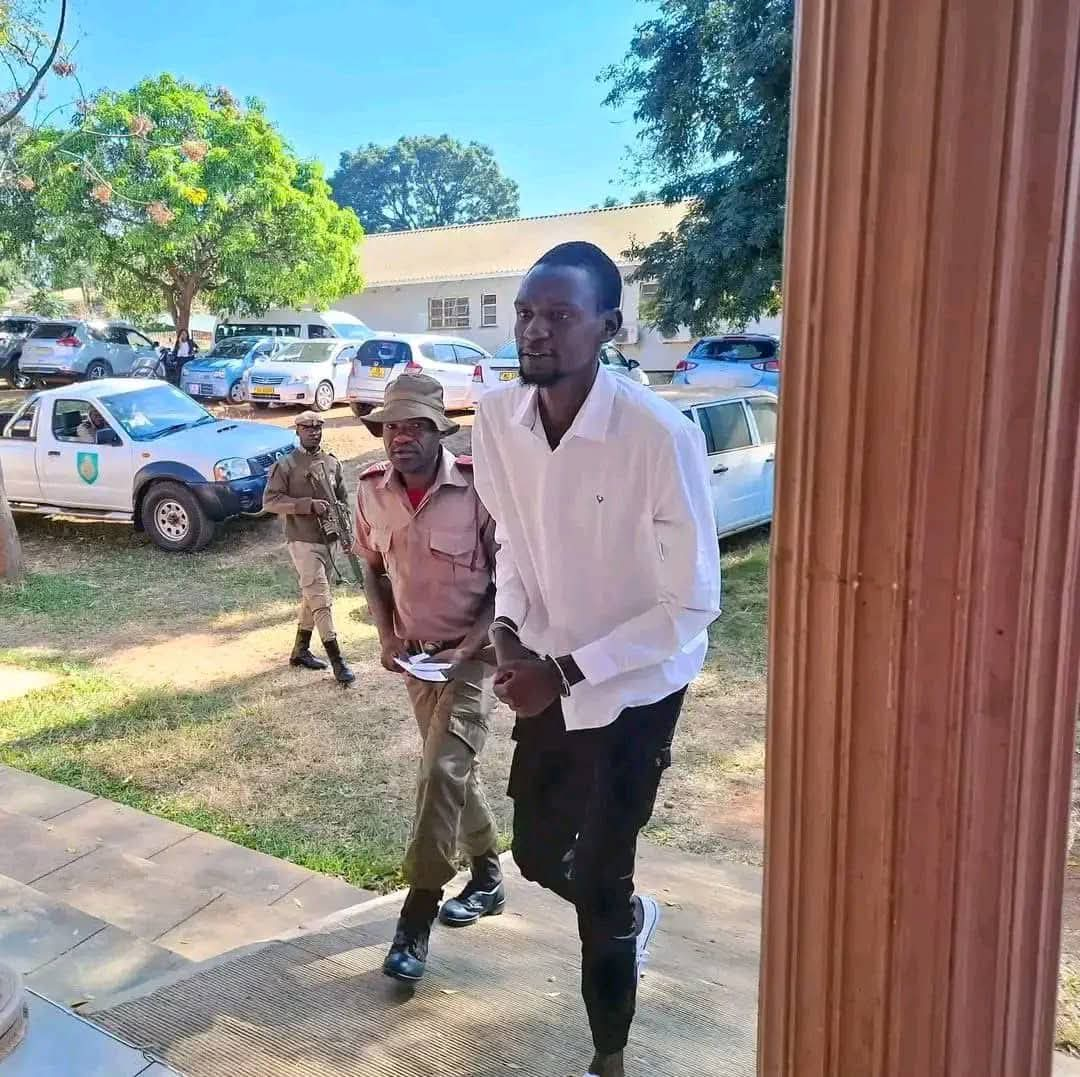
Malawi High Court: Amos Katengeza Murder Case Proceeds, Egnat Cleared
Summary
- The High Court in Lilongwe ruled that Amos Katengeza has a case to answer for the murder of his sister, Agnes Katengeza.
- Judge Bruno Kalemba determined that the State presented sufficient evidence against Amos Katengeza to require him to enter his defense.
- Conversely, Egnat Katengeza, who was a co-accused, was cleared of the murder charge due to insufficient evidence.
- This decision clarifies the evidentiary standard for a "case to answer" in Malawi's High Court murder trials.
What Happened
This ruling by Judge Bruno Kalemba in the Amos Katengeza Malawi murder case holds considerable legal significance, particularly in clarifying the evidentiary threshold for a 'case to answer' determination within Malawi's High Court.
A significant development has occurred in the Amos Katengeza Malawi murder case, with the High Court in Lilongwe determining that Amos Katengeza must present a defense against charges related to the death of his sister, Agnes Katengeza. This ruling, delivered by Judge Bruno Kalemba, marks a critical juncture in the ongoing legal proceedings. While Amos Katengeza faces the requirement to respond to the prosecution's allegations, his co-accused, Egnat Katengeza, was simultaneously cleared of any involvement in the same murder charge.
The Court's Determination
Judge Bruno Kalemba's ruling hinged on the sufficiency of the evidence presented by the State against each defendant. In the case of Amos Katengeza, the court concluded that the prosecution had indeed laid out enough material to establish a "case to answer Malawi criminal" standard. This legal threshold signifies that, without any explanation or rebuttal from the accused, a reasonable court could potentially convict based solely on the evidence already submitted. Consequently, Amos Katengeza is now obligated to enter his defense, providing his account or challenging the State's narrative.
Conversely, the same rigorous assessment of evidence led to a different outcome for Egnat Katengeza. Judge Kalemba found that the State had not presented adequate evidence to meet the "case to answer" standard against him for the Agnes Katengeza murder. This finding resulted in Egnat Katengeza being cleared of the charge, meaning he is no longer required to participate in the trial as a defendant in this specific matter. The distinction in the court's findings underscores the individualized scrutiny applied to the evidence against each accused party in the Malawi High Court murder proceedings.
Legal Significance
This ruling by Judge Bruno Kalemba in the Amos Katengeza Malawi murder case holds considerable legal significance, particularly in clarifying the evidentiary threshold for a 'case to answer' determination within Malawi's High Court. The decision provides a concrete example of the standard the prosecution must meet at the close of its case to compel an accused to present a defense. For criminal defense lawyers, this precedent offers valuable insight into assessing the strength of the State's evidence and advising clients on the likelihood of being called upon to defend themselves.
The clearance of Egnat Katengeza further highlights that merely being associated with a primary suspect is insufficient; the State must present specific, compelling evidence against each individual. This reinforces the principle that the burden of proof remains squarely with the prosecution until the "case to answer" threshold is met. The outcome of this Malawi High Court murder trial stage will undoubtedly serve as a reference point for future criminal proceedings, influencing how evidence is gathered, presented, and evaluated in serious cases across the nation.
Practical Implications
This ruling clarifies the evidentiary threshold required in Malawi's High Court for a 'case to answer' determination in murder trials, providing a precedent for criminal defense lawyers assessing the strength of the prosecution's evidence at the close of the State's case.
Source
How does this affect you?
Get an AI analysis of this article grounded in your jurisdictions, practice areas, and any policy documents you've uploaded to Wansom.
Wansom is AI and can make mistakes.