
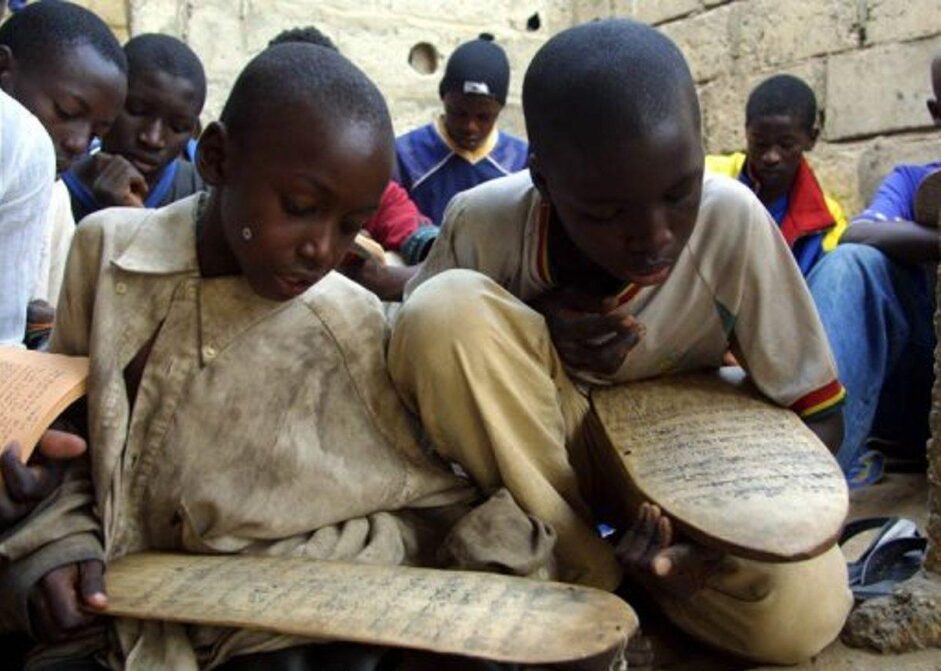
Amnesty Senegal: Urges State for Talibés Rights Legislation
Summary
- On November 20, International Children's Rights Day was observed globally.
- Seydi Gassama, Executive Director of Amnesty International Senegal, highlighted the concerning plight of talibé children.
- He urged the Senegalese State to honor its pledges regarding the protection of these children's rights.
- A key mechanism for this protection is the adoption of a specific law on the status of talibés.
Renewed Call for Child Protection
His remarks underscored the urgent need for governmental intervention and a renewed focus on safeguarding the fundamental entitlements of these young individuals.
The global observance of International Children's Rights Day on November 20 served as a crucial platform for advocates to highlight the ongoing challenges faced by vulnerable populations. During this significant annual event, Seydi Gassama, who serves as the Executive Director for Amnesty International Senegal, drew considerable attention to the deeply concerning circumstances experienced by talibé children within the nation. His remarks underscored the urgent need for governmental intervention and a renewed focus on safeguarding the fundamental entitlements of these young individuals.
Gassama's intervention specifically urged the Senegalese State to translate its previously articulated commitments into tangible actions. He emphasized that the protection enfants talibés must move beyond mere declarations to concrete measures that genuinely improve their lives. This call to action from a prominent human rights advocate highlights the persistent challenges in ensuring the full realization of droits de l'enfant Sénégal, particularly for this marginalized group.
Addressing the Plight of Talibé Children
The situation of talibé children in Senegal has long been a subject of international and national concern, characterized by a worrying lack of adequate protection and support. These children, often sent to daaras (Quranic schools), frequently face conditions that compromise their basic rights, including access to education, health, and safety. Amnesty International's focus on this group reflects a broader societal recognition of the systemic issues that leave many talibés vulnerable to exploitation and neglect.
Despite the State's acknowledged commitments to upholding children's rights, the practical implementation of these pledges has remained a significant hurdle. The call from Seydi Gassama serves as a reminder that while intentions may be present, the actual lived experiences of talibé children continue to fall short of international standards and national aspirations for child welfare. This gap between policy and reality necessitates a more robust and enforceable framework.
Legislative Pathway to Safeguards
A key mechanism identified by Amnesty International Senegal for addressing the systemic issues facing talibé children is the adoption of a specific law on their status. This proposed legislation, often referred to as the loi statut talibés Sénégal, is envisioned as a comprehensive legal framework designed to define the rights and responsibilities pertaining to these children, as well as the institutions and individuals involved in their care. Such a law would provide a much-needed legal foundation for their protection.
The development and enactment of robust Senegal talibés rights legislation would establish clear guidelines for the operation of daaras, mandate standards for child welfare, and create mechanisms for accountability. It aims to ensure that the fundamental rights of every talibé child are legally recognized and protected, moving beyond ad hoc interventions to a structured and enforceable system of care and oversight.
Why This Legislation Matters
The passage of a dedicated law on the status of talibé children holds profound implications for human rights and child protection in Senegal. It represents an opportunity to solidify the State's commitment to its youngest citizens, particularly those in vulnerable circumstances, by providing a clear legal basis for intervention and support. Without such a framework, efforts to safeguard these children often face legal ambiguities and enforcement challenges, perpetuating a cycle of vulnerability.
Implementing comprehensive Senegal talibés rights legislation would not only enhance the protection enfants talibés but also reinforce the nation's adherence to international conventions on the droits de l'enfant Sénégal. It signifies a critical step towards ensuring that all children, regardless of their circumstances, are afforded the dignity, care, and opportunities essential for their development and well-being, transforming promises into concrete legal realities.
Practical Implications
Lawyers specializing in human rights or child protection in Senegal should monitor the legislative progress concerning the status of talibés children, as the proposed law could introduce new legal frameworks and compliance requirements for institutions and individuals involved with these children.
Source
How does this affect you?
Get an AI analysis of this article grounded in your jurisdictions, practice areas, and any policy documents you've uploaded to Wansom.
Finish Reading the Full Story and the Expert Analysis.
Get the latest legal & regulatory intelligence in Senegal
Wansom is AI and can make mistakes.