
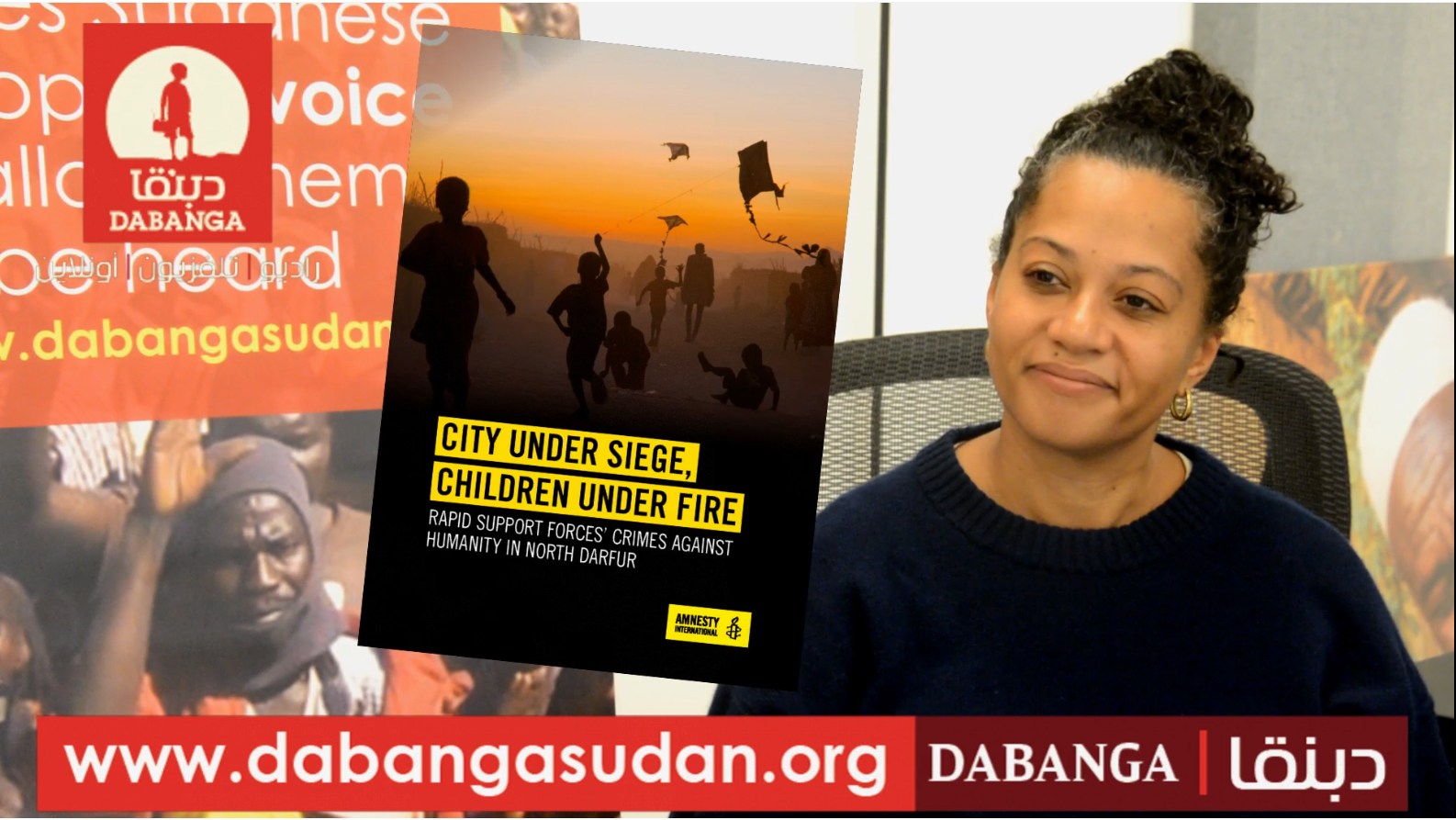
Amnesty International: RSF Child Recruitment in Sudan's North Darfur
Summary
- Amnesty International's Janine Morna reported that the RSF recruited children in North Darfur for fighting, herding, and intelligence gathering.
- Girls in the Sudan conflict faced sexual violence, including rape, with one documented case of a 13-year-old girl being gang-raped.
- The investigation found that children were deliberately targeted for abuses, not just caught in the violence.
- During the El Fasher siege, children suffered severe starvation, leading to documented deaths and babies surviving on water and sugar.
- Malnutrition has long-term, intergenerational consequences for children's health, growth, and development.
Documenting Atrocities Against Children in Sudan
This detailed documentation is invaluable for lawyers specializing in international criminal law and human rights, offering a robust foundation for future accountability efforts and advocacy.
A recent investigation by Amnesty International, led by researcher Janine Morna, has brought to light severe human rights violations targeting children in North Darfur, Sudan. The report details how the Rapid Support Forces (RSF) have systematically engaged in the recruitment of child soldiers, subjected girls to sexual violence, and contributed to widespread starvation, particularly during the siege of El Fasher. These findings underscore a deliberate pattern of abuse against the youngest and most vulnerable populations caught in the ongoing conflict.
Morna, a Thematics Researcher specializing in children affected by armed conflict within Amnesty International’s Crisis Response Programme, conducted extensive research for this report. Her work, which included interviews with 39 children, reveals a grim reality where children are not merely collateral damage but active targets of various forms of violence and exploitation. The detailed documentation provides crucial evidence of war crimes and severe human rights violations, which should be of significant concern to international criminal law and human rights practitioners.
RSF's Exploitation of Child Soldiers and Sexual Violence
The investigation uncovered multiple methods employed by the RSF for child recruitment in North Darfur. Some instances involved collaboration with community leaders and other local figures to mobilize young individuals, including older boys and, in certain cases, even younger children, to join the fighting forces. Other recruitment tactics included the abduction of young men and older boys during attacks on villages, forcing them into combat roles. These child recruits were utilized for various tasks, including direct fighting, herding livestock essential to the RSF's operations, and gathering intelligence on opposing factions.
The scale of this child recruitment is alarming; one RSF commander, whose unit comprised approximately 90 members, disclosed to researchers that nearly 40 percent of his unit consisted of young people. Beyond direct combat roles, girls have faced a distinct and horrific pattern of abuse. The Amnesty International report documents numerous cases of rape and other forms of sexual violence. Disturbingly, when young women were rounded up, their age was often disregarded. The youngest victim detailed in the investigation was a 13-year-old girl who endured repeated gang-rape over several days following her abduction, highlighting the extreme vulnerability of children in the Sudan conflict.
The Devastating Impact of Starvation and Malnutrition
The humanitarian crisis in North Darfur has been exacerbated by the siege of El Fasher, the regional capital, where children have faced extreme food scarcity. Amnesty International's research highlighted the severe struggle for sustenance among children, who are uniquely vulnerable to prolonged food shortages compared to adults. The investigation documented instances where children were not receiving regular meals, leading to tragic outcomes. Researchers confirmed four child deaths directly attributable to the unavailability of food, though the actual number is believed to be substantially higher.
The report also detailed desperate measures taken by families, with babies reportedly surviving on mixtures of water and sugar due to the inability to breastfeed. To understand the full scope of this crisis, Amnesty International consulted two malnutrition health experts. These experts confirmed that children who survive for extended periods on inadequate diets, such as animal feed, can suffer devastating long-term health consequences. Malnutrition severely impacts children's health, growth, and development, affecting both those under five and older children, with potential intergenerational effects. For instance, stunted growth in girls can compromise their ability to carry children in the future, perpetuating a cycle of hardship.
Implications for Accountability and Human Rights
Janine Morna's comprehensive report provides critical evidence of widespread human rights violations against children in Sudan, emphasizing that these young individuals are not merely caught in the crossfire but are deliberately targeted for various abuses. This detailed documentation is invaluable for lawyers specializing in international criminal law and human rights, offering a robust foundation for future accountability efforts and advocacy. The findings underscore the urgent need for international attention and intervention to protect children in conflict zones.
The methodology employed by Amnesty International, which included direct interviews with child survivors, ensures a nuanced understanding that might be missed if investigations relied solely on adult testimonies, satellite imagery, or video footage. For compliance officers in organizations operating in conflict-affected regions like Sudan, these revelations necessitate a rigorous assessment of human rights due diligence risks, particularly concerning child protection and forced labor. The report serves as a stark reminder of the profound and lasting trauma inflicted upon Sudan's children, demanding a concerted global response to address these egregious violations.
Practical Implications
Lawyers specializing in international criminal law or human rights should be aware of this detailed documentation of war crimes and severe human rights violations against children by the RSF in Sudan, as it provides critical evidence for potential future accountability and advocacy efforts. Compliance officers in organizations with operations or supply chains in conflict-affected regions like Sudan must assess heightened human rights due diligence risks, particularly concerning child protection and forced labor.
Source
How does this affect you?
Get an AI analysis of this article grounded in your jurisdictions, practice areas, and any policy documents you've uploaded to Wansom.
Finish Reading the Full Story and the Expert Analysis.
Get the latest legal & regulatory intelligence in Sudan
Wansom is AI and can make mistakes.