
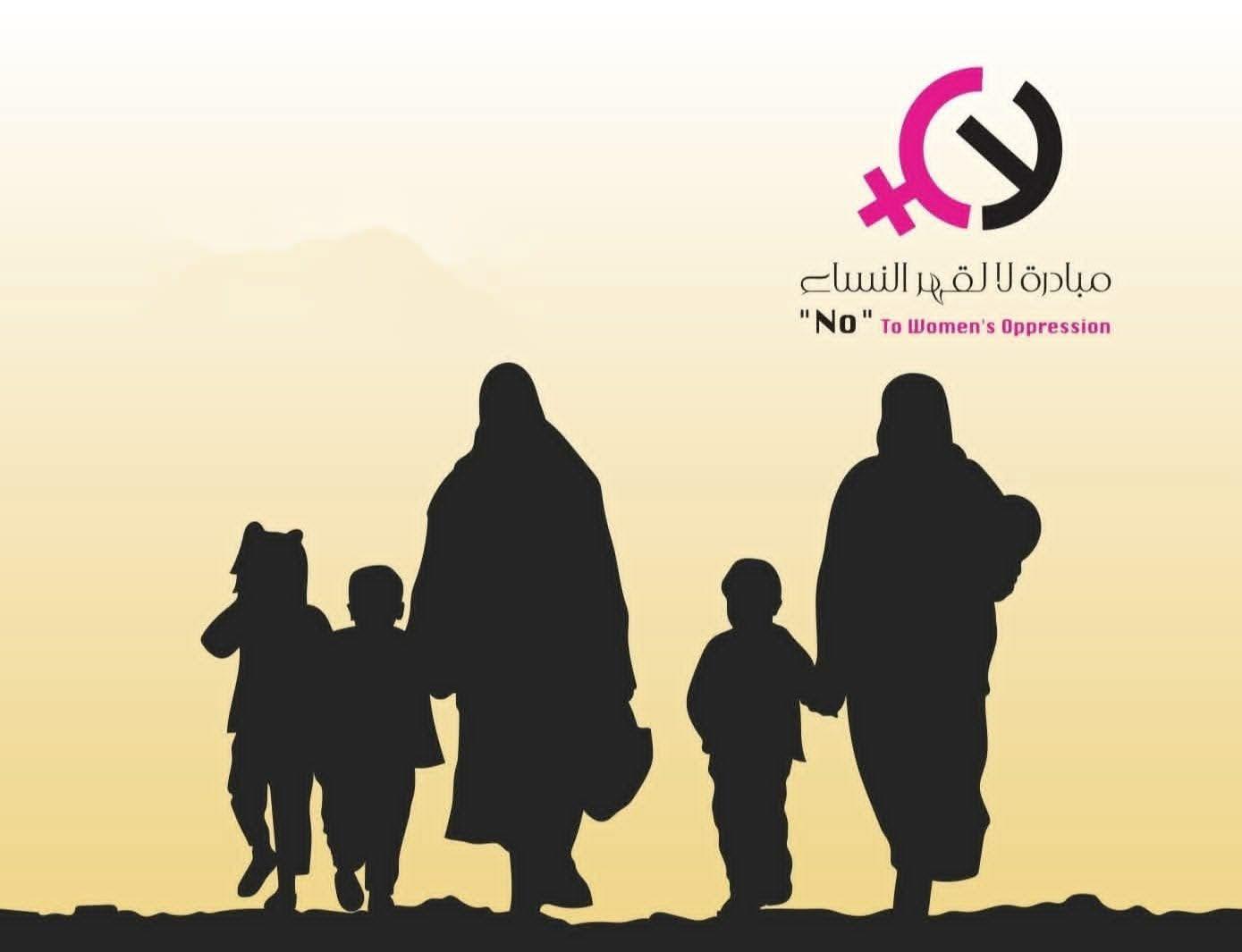
Sudan Feminist Justice Campaign: Phase One Concludes, Sets Foundation
Summary
- The Sudan Feminist Justice Campaign completed its first six-month phase, aiming to mobilize feminist voices and increase women's participation in peacebuilding and political change.
- Amira Osman, head of the No to Oppression against Women Initiative, stated the campaign achieved about half its goals, calling it an important first step towards feminist justice.
- The campaign operated through legal, media, coordination, and field committees despite difficult circumstances.
- Osman expressed regret that comprehensive peace was not achieved and renewed calls for the release of detained women and an end to violence against girls and women.
- The campaign's final statement emphasized women's rights as integral to political processes and rejected the use of women's bodies as weapons of war.
Campaign Concludes Initial Phase
The campaign's final statement powerfully asserted that women's rights are not peripheral but an indispensable component of any political or negotiation process in Sudan.
The Sudan Feminist Justice Campaign has successfully concluded its initial six-month operational period, marking a significant milestone in its efforts to empower women's voices and enhance their involvement in both peacebuilding initiatives and broader political transformation within Sudan. This first phase, which commenced with ambitious goals, aimed specifically at mobilizing feminist perspectives and strengthening the participation of Sudanese women across these crucial sectors.
Amira Osman, who leads the No to Oppression against Women Initiative, reported that the campaign managed to achieve approximately half of its stated aspirations and intended objectives. Despite not reaching all targets, Osman characterized the outcome as a vital foundational step toward embedding the principles of feminist justice throughout Sudan. The campaign's conclusion prompts an internal assessment to identify areas for improvement and to strategize for subsequent, more impactful phases.
Operational Scope and Challenges
Operating under exceptionally complex and challenging conditions, the campaign engaged on multiple fronts, demonstrating a comprehensive approach to its mission. Its work was structured through various committees, including dedicated legal, media, coordination, and field committees, each playing a distinct role in advancing the campaign's objectives. This multi-faceted strategy allowed for diverse engagement, from advocating for legal reforms to direct outreach within communities.
Despite these concerted efforts, a key regret expressed by Amira Osman was the inability to achieve comprehensive peace in Sudan before the first phase of the campaign concluded. In light of ongoing challenges, Osman reiterated urgent calls for the immediate release of women who have been detained on accusations of collaboration. Furthermore, she emphasized the critical need to halt the displacement of populations and to end the pervasive violence specifically targeting girls and women, underscoring the severe human rights issues that persist.
Advocacy for Women's Rights and Future Outlook
The campaign's final statement powerfully asserted that women's rights are not peripheral but an indispensable component of any political or negotiation process in Sudan. This declaration firmly rejected the abhorrent practice of using women's bodies as instruments of war or as battlegrounds for conflict, highlighting the campaign's commitment to protecting women from gender-based violence in all its forms. This stance is crucial for any meaningful Sudan peacebuilding women's participation and for achieving genuine feminist justice Sudan legal reform.
The ongoing advocacy by the Sudan Feminist Justice Campaign, particularly through the leadership of Amira Osman Sudan and the No to Oppression against Women Initiative, signals a sustained commitment to Sudanese women's rights advocacy. The forthcoming assessment will be instrumental in refining strategies and ensuring that future phases are even more effective in addressing shortcomings and building upon the initial achievements. The campaign's foundational work is expected to inform future legal interventions, policy development, and potential litigation aimed at advancing gender equality and justice in post-conflict settings.
Practical Implications
Lawyers specializing in human rights, constitutional law, or international humanitarian law in Sudan should track the campaign's continued efforts and its potential impact on legal reforms, peace negotiations, and the protection of women's rights. This ongoing advocacy signals areas for legal intervention, policy development, and potential litigation related to gender equality and justice in post-conflict settings.
Source
How does this affect you?
Get an AI analysis of this article grounded in your jurisdictions, practice areas, and any policy documents you've uploaded to Wansom.
Finish Reading the Full Story and the Expert Analysis.
Get the latest legal & regulatory intelligence in Sudan
Wansom is AI and can make mistakes.