
السودان: يتهم الإمارات ويطالب بوقف تسليح وتمويل الدعم السريع
Summary
- Sudan's government called for decisive international action to stop the flow of arms, funds, and mercenaries to armed groups targeting civilians.
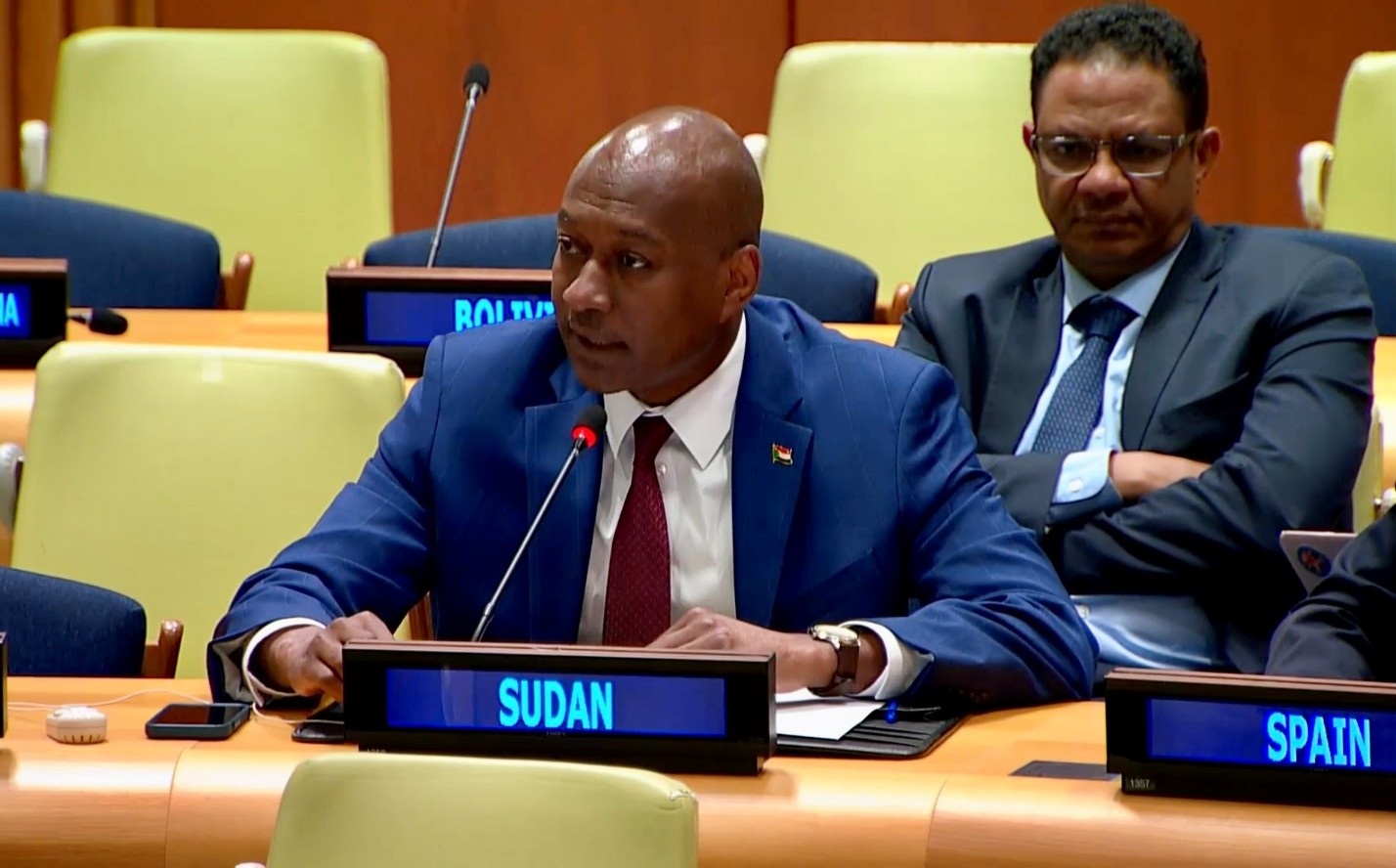
- Minister Plenipotentiary Ammar Mohammed Mahmoud made this appeal at the UN General Assembly on October 8, 2026.
- Sudan explicitly accused the UAE and neighboring countries like Chad, eastern Libya, and Ethiopia of transferring weapons and military equipment to the Rapid Support Forces (RSF).
- The UAE is also accused of transporting mercenaries, including those from Colombia, to support the RSF, with these claims backed by UN and human rights reports.
- The RSF's three-year conflict has involved mass killings, sexual violence, looting, and forced displacement, sustained by continuous external supplies of weapons and fighters.
Sudan's Urgent Call to Action
Counter-terrorism, according to Sudan, necessitates not only cutting off financial pipelines but also halting the supply of weapons, equipment, foreign fighters, and mercenaries, alongside eliminating logistical, political, and media support that sustains armed groups.
The Sudanese government recently reiterated its demand for decisive international measures to halt the continuous flow of arms, funds, and mercenaries to armed groups operating within its borders. These groups, according to Sudan, are actively targeting civilians and undermining the sovereignty and national institutions of the state. This urgent appeal was made on Thursday, October 8, 2026, during discussions at the United Nations General Assembly concerning strategies to eliminate international terrorism.
Speaking before the Sixth Committee, Minister Plenipotentiary Ammar Mohammed Mahmoud, representing Sudan, articulated his nation's position. He emphasized that effective counter-terrorism efforts must extend beyond merely disrupting financial sources. Mahmoud argued that a comprehensive approach requires an end to the provision of weapons, military equipment, foreign fighters, and mercenaries, as well as the eradication of logistical, political, and media support that enables these armed factions to persist in their activities.
Accusations Against Foreign Entities
In a significant development, the Sudanese government has explicitly accused the United Arab Emirates (UAE) and several neighboring countries of actively fueling the armed conflict in Sudan. These accusations detail the alleged transfer of weapons and military hardware to the Rapid Support Forces (RSF) within areas under their control. The neighboring nations implicated in facilitating these transfers include Chad, eastern Libya, and Ethiopia.
Furthermore, Sudan alleges that the UAE is involved in transporting mercenaries, particularly those originating from Colombia, to serve alongside the RSF. These serious allegations are not without external corroboration; the Sudanese government asserts that its claims are supported by reports from United Nations bodies and various human rights organizations, underscoring the gravity of the situation regarding the arming and funding of the RSF.
The Devastating Impact of Conflict
Minister Plenipotentiary Ammar Mohammed Mahmoud highlighted the severe humanitarian crisis and widespread destruction caused by the war waged by the Rapid Support Forces against Sudan, a conflict that has now spanned more than three years. He detailed a litany of atrocities attributed to the RSF, including mass killings, rampant sexual violence, widespread looting, and the forced displacement of populations.
Mahmoud also pointed to the deliberate targeting of civilians and state institutions by the RSF. He underscored that the armed group has been able to sustain these destructive operations due to a continuous influx of advanced weaponry, mercenaries, and foreign fighters, directly linking the ongoing violence to the external support received by these armed groups.
Broader Implications for Counter-Terrorism
Sudan's representative stressed that the global fight against terrorism should not be subject to selectivity, double standards, or political calculations. This stance reflects a broader call for consistent and impartial application of international law and counter-terrorism frameworks, particularly in addressing the flow of arms to armed groups in Sudan.
Counter-terrorism, according to Sudan, necessitates not only cutting off financial pipelines but also halting the supply of weapons, equipment, foreign fighters, and mercenaries, alongside eliminating logistical, political, and media support that sustains armed groups. This comprehensive view underscores the Sudanese government's belief that a fragmented approach to combating terrorism and armed conflict will ultimately fail to achieve lasting peace and stability in the region.
Practical Implications
Compliance officers and legal counsel should note Sudan's explicit accusations against the UAE and others regarding the arming and funding of the RSF. These diplomatic efforts could precede international investigations, sanctions, or legal actions under international humanitarian law or counter-terrorism frameworks, impacting entities involved in trade or finance with the region and requiring vigilance for evolving compliance risks.
Source
How does this affect you?
Get an AI analysis of this article grounded in your jurisdictions, practice areas, and any policy documents you've uploaded to Wansom.
Finish Reading the Full Story and the Expert Analysis.
Get the latest legal & regulatory intelligence in Sudan
Wansom is AI and can make mistakes.