
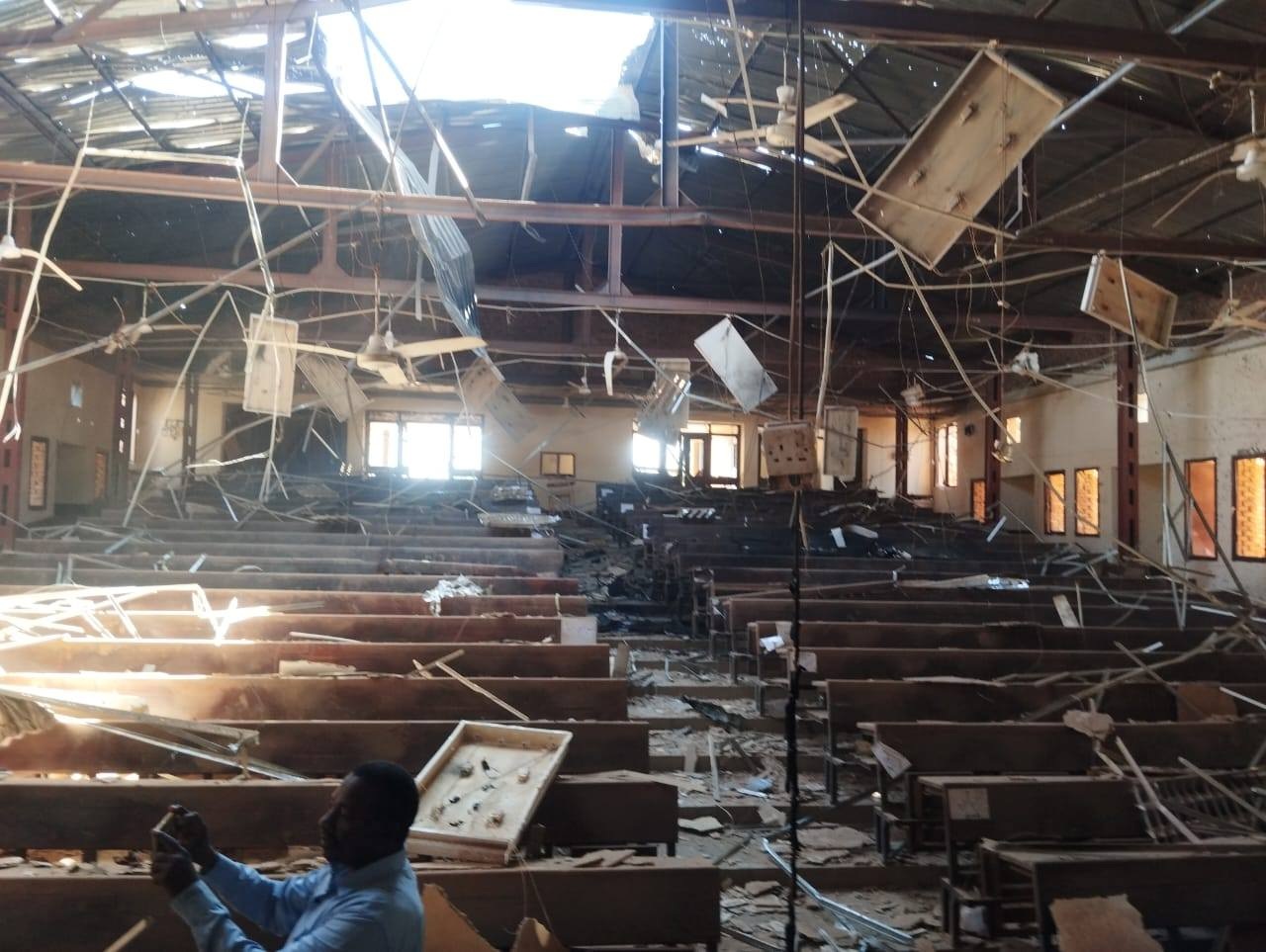
Amnesty International: RSF Attacks in Sudan's Al-Obeid May Be War Crimes
Amnesty International stated on November 18, 2026, that drone attacks by the Rapid Support Forces (RSF) on El Obeid, North Kordofan, Sudan, resulting in dozens of civilian deaths, should be investigated as war crimes.
The human rights organization's report details that between June and August 2026, RSF drone strikes targeted critical civilian infrastructure in El Obeid, including power stations, fuel facilities, shelters, hospitals, and markets. Amnesty International investigated nine specific drone attacks, which reportedly killed 37 civilians and injured 10 others. Crucially, the investigation found no evidence of military targets in the vicinity of the attacked sites at the time of the strikes, suggesting a deliberate or indiscriminate targeting of civilian areas. El Obeid is a vital commercial and humanitarian hub, connecting central Sudan with Darfur and other regions, making attacks on its infrastructure particularly devastating for the civilian population.
This assertion carries significant legal weight, as the classification of these acts as potential war crimes under international humanitarian law (IHL) triggers obligations for accountability and potential international scrutiny. For practitioners, this highlights the severe risks faced by civilians in ongoing conflicts and underscores the imperative for all parties to adhere strictly to the principles of distinction, proportionality, and precaution in attack. The report serves as a critical piece of documentation that could inform future investigations by international bodies, potentially leading to prosecutions for those responsible for grave breaches of IHL.
The legal context for such allegations is rooted in international humanitarian law, primarily the Geneva Conventions of 1949 and their Additional Protocols, which prohibit attacks on civilians and civilian objects. Indiscriminate attacks or attacks targeting civilian infrastructure without military necessity constitute war crimes. While the outcome of this matter is not yet reported, Amnesty International's call for investigation aligns with the mandate of international criminal justice mechanisms, such as the International Criminal Court (ICC), which has jurisdiction over war crimes. Sudan's complex relationship with the ICC, including outstanding warrants for individuals related to past conflicts, adds another layer to the potential legal ramifications.
Attorneys and legal professionals should closely monitor any developments regarding formal investigations into these allegations, whether at national or international levels. This includes tracking potential referrals to the ICC or the establishment of ad hoc investigative mechanisms. Businesses operating in or with ties to Sudan must review their human rights due diligence frameworks, supply chain assessments, and risk management strategies to ensure compliance with international norms and to avoid complicity in or association with human rights abuses. The ongoing documentation by organizations like Amnesty International provides crucial data for assessing legal and reputational risks in the region.
How does this affect you?
Get an AI analysis of this article grounded in your jurisdictions, practice areas, and any policy documents you've uploaded to Wansom.
Finish Reading the Full Story and the Expert Analysis.
Get the latest legal & regulatory intelligence in Sudan
Wansom is AI and can make mistakes.