
AMDISS South Sudan: Developing Independent Media Ethics Body
Summary
- South Sudanese media stakeholders, led by AMDISS, are establishing an independent ethics body to enhance journalistic professionalism and ethical standards.
- The proposed body will be managed by media practitioners, not the government, to address concerns about competence and provide a mechanism for complaints.
- AMDISS Executive Director Ayaa Irene criticized government control over media institution board appointments, citing it as a barrier to genuine media independence and effective law implementation.
- An incident involving the expulsion of 20 journalists without board consultation was highlighted as an example of government interference undermining media autonomy.
- Independent media organizations are engaging in dialogue with government institutions, supported by Japan, to address media sector challenges and explore legislative, implementation, or practical reforms.
New Independent Ethics Body Proposed
Ms. Irene firmly contends that achieving genuine South Sudan independent media regulation will remain an uphill battle as long as government institutions maintain control over the appointment of boards overseeing the media sector.
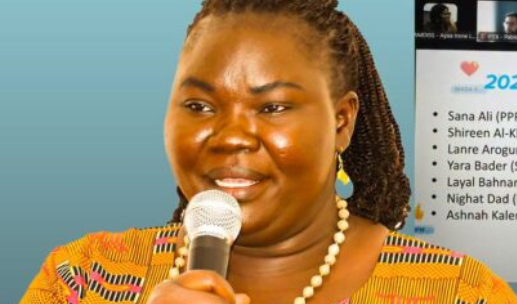
South Sudanese media stakeholders are actively working towards establishing an independent ethics body, a move spearheaded by the Association for Media Development in South Sudan (AMDISS). This initiative aims to significantly bolster professionalism and ethical standards among journalists operating within the country. Ayaa Irene, the Executive Director of AMDISS, emphasized that this proposed body would be entirely managed and established by media practitioners themselves, distinctly separate from government control.
This practitioner-led approach is designed to address long-standing concerns regarding journalistic professionalism and ethics. Ms. Irene highlighted that the initiative also serves as a direct response to government observations that some instances of harassment involving journalists are attributed to a perceived lack of competence and professionalism. By creating an internal mechanism, the media sector intends to proactively manage these issues, fostering a more accountable and self-regulating environment.
The media sector is currently in the foundational stages of developing this AMDISS South Sudan media ethics body. Plans are underway to engage extensively with journalists and other relevant stakeholders to determine the optimal structure and operational framework. An independent ethics mechanism is expected to define clearer standards for professional conduct and offer a structured pathway for addressing complaints against journalists, thereby preventing such issues from being used as justifications for imposing restrictions on media freedom.
Challenges to Media Independence and Regulation
While efforts to strengthen journalistic professionalism are crucial, Ayaa Irene stressed that they must be complemented by comprehensive reforms within the institutions responsible for regulating the media. She voiced strong criticism regarding the government's current practice of appointing the boards of key media entities, including the Media Authority, the South Sudan Broadcasting Corporation (SSBC), and the Access to Information Commission. According to Ms. Irene, these governmental appointments fundamentally undermine the independence of these bodies and severely impede their capacity to effectively implement existing South Sudan media law developments.
Drawing from her personal experience as a former member of the Media Authority board, Ms. Irene illustrated the profound difficulties faced by these boards when critical management decisions are made without their involvement. She cited a specific incident where two dozen journalists were expelled from South Sudan, a decision she noted was made by management without any consultation with the board. Despite the board subsequently convening to vigorously debate the matter, it found itself effectively powerless due to the circumstances surrounding the decision.
Ms. Irene firmly contends that achieving genuine South Sudan independent media regulation will remain an uphill battle as long as government institutions maintain control over the appointment of boards overseeing the media sector. She questioned the loyalty of such appointed boards, suggesting they are beholden to their appointers rather than the public interest or the principles of media freedom. This structural issue, she argued, prevents the effective implementation of existing media-related laws, such as the Access to Information Act, despite their presence on the statute books.
Pathways to Stronger Media Freedom
In pursuit of more robust South Sudan journalistic ethics standards and greater media freedom, AMDISS, alongside other independent media actors, has undertaken studies of media regulatory systems in various countries, including Ghana, South Africa, and Japan. These international examples, Ms. Irene noted, demonstrate how greater institutional independence has been instrumental in supporting and enhancing media freedom within those nations. This comparative analysis informs the current reform efforts in South Sudan.
Currently, independent media organizations and government institutions are engaged in a constructive dialogue aimed at addressing the multifaceted challenges impacting the media sector. These discussions, facilitated through a process involving the Japanese government, are meticulously examining whether the obstacles confronting South Sudan's media landscape primarily stem from weaknesses in legislation, deficiencies in implementation, or issues in actual practice. This collaborative approach seeks to identify the root causes of current problems.
Ms. Irene underscored the critical necessity for media organizations to engage directly with the government, particularly given its authority to appoint the boards of key media institutions. She posed fundamental questions about who guarantees journalists' rights and protection, emphasizing that while South Sudan possesses several media-related laws, the primary challenge remains their effective implementation. This ongoing dialogue represents a crucial step towards fostering South Sudan media freedom reforms and ensuring a more independent and professional media environment.
Practical Implications
Lawyers advising media entities or journalists in South Sudan should monitor the establishment of this independent ethics body, as it will set new standards for journalistic conduct and provide a non-governmental mechanism for addressing complaints, potentially influencing media freedom and regulatory compliance.
Source
Source: Original reporting via Eye Radio
How does this affect you?
Get an AI analysis of this article grounded in your jurisdictions, practice areas, and any policy documents you've uploaded to Wansom.
Finish Reading the Full Story and the Expert Analysis.
Wansom is AI and can make mistakes.