
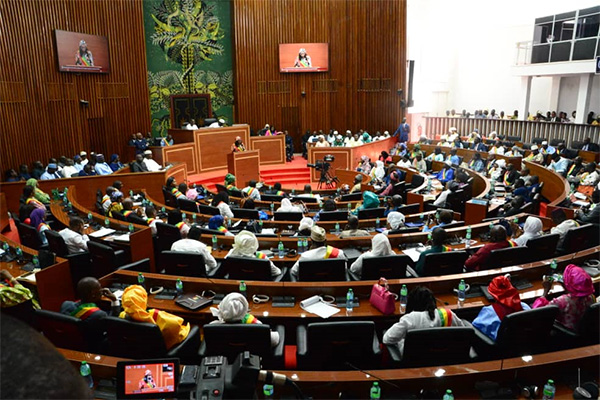
Senegal Constitutional Revision Strengthens Asset Declaration Transparency
Summary
- Former Prime Minister of Senegal, Amadou Ba, has called for swift clarification on the transparency of asset declarations by top government officials.
- While a constitutional revision from 2022 initiated asset declaration requirements, Law No. 2025-13 is now in force, and implementation is actively ongoing with deadlines and published lists of compliant officials, though some aspects remain under debate.
- Lawyers and compliance officers in Senegal must navigate the complex and evolving landscape of asset disclosure requirements, which may impact their clients' compliance obligations.
What Happened
no excuse is valid to delay this critical step towards a more transparent government
Former Prime Minister of Senegal, Amadou Ba, has called for swift clarification on the transparency of asset declarations by top government officials. In a Facebook post, Ba expressed his concern that no excuse is valid to delay the implementation of the constitutional revision requiring asset declaration and publication. The revision aims to increase transparency in the management of public assets. However, its promulgation has been slow, sparking criticism from lawmakers like Ba.
Legal Context
The revised constitution includes provisions for asset declaration by public officials, including the President, Prime Minister, and members of Parliament. While a constitutional revision related to asset declarations was adopted in 2022, its implementation has evolved significantly. Law No. 2025-13 of September 3, 2025, has since strengthened national anti-corruption mechanisms and formalized standards for transparency and the prevention of illicit enrichment, requiring asset declarations. As of August 2026, Senegal's Minister of Justice has issued directives for officials to regularize their asset declarations, with deadlines and public lists of compliant and non-compliant individuals being published by the National Office for the Fight Against Fraud and Corruption (OFNAC). Further constitutional reforms were approved in June 2026, aimed at strengthening asset declaration requirements, including for the President upon taking and leaving office, though some aspects, such as end-of-term presidential declarations, remain subject to ongoing debate and parliamentary initiatives after a Constitutional Council invalidation in August 2026. This move is part of a broader effort to enhance transparency in Senegal's governance, and lawmakers continue to urge the government to ensure all officials comply with the new requirements.
Why It Matters
The ongoing developments in implementing and refining asset declaration provisions have raised concerns among lawyers and compliance officers in Senegal. They must now navigate the complex and evolving landscape of asset disclosure requirements, which may impact their clients' compliance obligations. The active implementation of these provisions is crucial for maintaining transparency and accountability in public governance. As Ba emphasized, 'no excuse is valid' to delay this critical step towards a more transparent government.
Practical Implications
Lawyers and compliance officers in Senegal should watch for the implementation of the revised constitution's asset declaration provisions, which may impact their clients' compliance obligations.
Source
Source: Original reporting via Amadou Ba
How does this affect you?
Get an AI analysis of this article grounded in your jurisdictions, practice areas, and any policy documents you've uploaded to Wansom.
Wansom is AI and can make mistakes.