
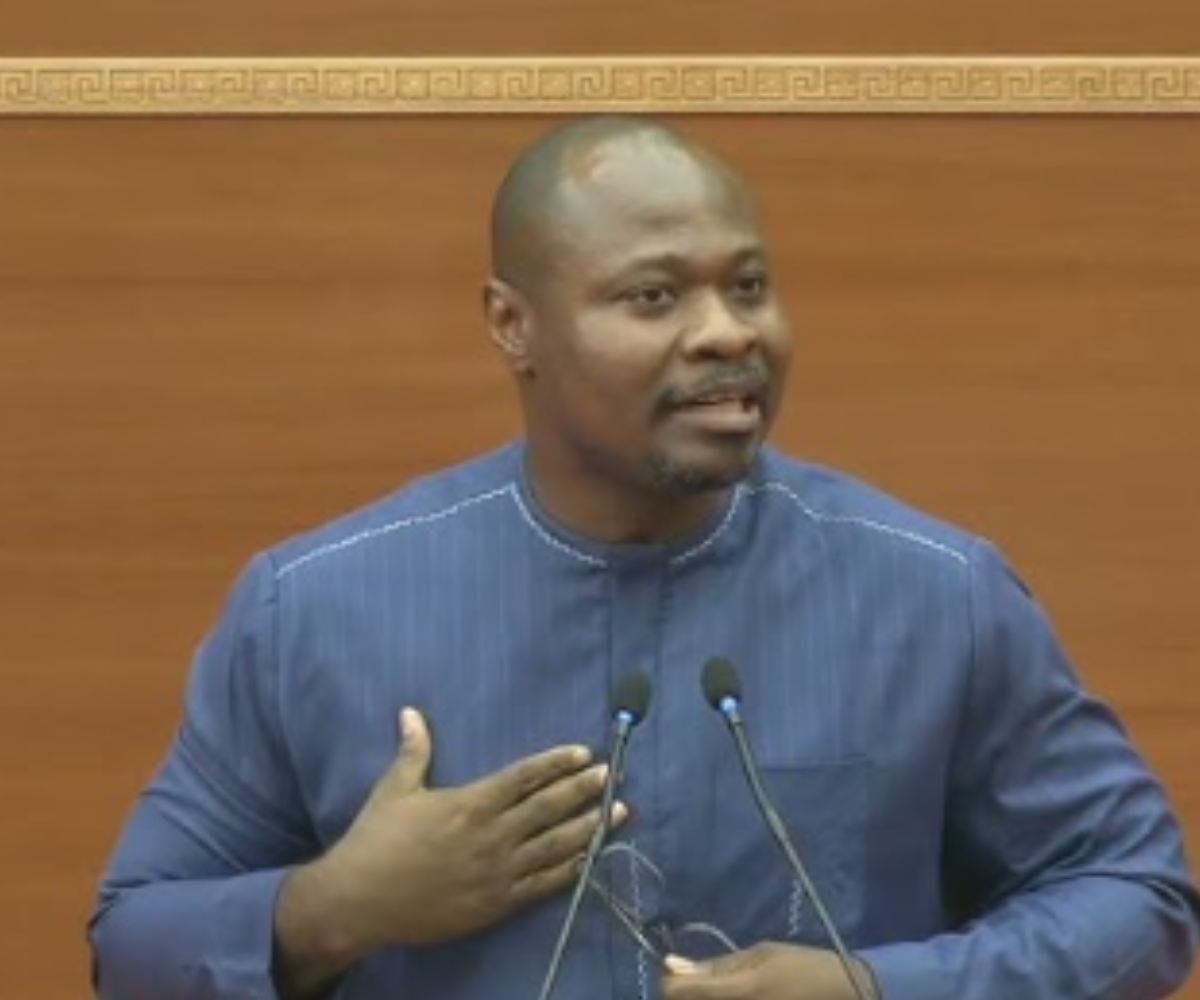
Senegalese Deputy Guy Marius Sagna Criticizes Proposed Amendment to Article 37 of Senegal Constitution
Summary
- Deputy Guy Marius Sagna has questioned the proposed amendment to Article 37 of the Senegal Constitution.
- The amendment aims to modify the article, potentially altering the roles and responsibilities of government officials.
- Sagna is critical of specific additions related to the President of the National Assembly and the Prime Minister.
- The proposed amendment has significant implications for the balance of power in Senegal's government.
What Happened
In a Facebook post, he expressed his concerns about the proposed changes.
A proposed amendment to Article 37 of the Senegal Constitution has sparked controversy, with Deputy Guy Marius Sagna questioning the executive's move. The amendment aims to modify the article, but Sagna is critical of specific additions related to the President of the National Assembly and the Prime Minister. In a Facebook post, he expressed his concerns about the proposed changes.
Sagna's comments come as the Senegalese government continues to navigate its constitutional framework. The proposed amendment has significant implications for the balance of power within the government.
Legal Context
Article 37 of the Senegal Constitution outlines key aspects of the country's governance structure. The proposed amendment seeks to modify this article, potentially altering the roles and responsibilities of various government officials. This move has raised questions about the executive's intentions and the potential impact on the balance of power in Senegal's government.
The Senegalese Constitution is a cornerstone of the country's legal framework, providing a foundation for governance and decision-making. Any amendments to this document must be carefully considered to ensure they align with the principles of democracy and accountability.
Why It Matters
The proposed amendment to Article 37 has significant implications for Senegal's government and its citizens. The balance of power between the President, Prime Minister, and other officials is crucial in ensuring effective governance and protecting individual rights. Lawyers and compliance officers should closely monitor this development, as it may set a precedent for future constitutional changes.
The Senegalese government must carefully weigh the potential consequences of this amendment, considering both short-term and long-term effects on the country's political landscape.
Practical Implications
Lawyers and compliance officers should watch for the potential implications of this amendment on the balance of power in Senegal's government, particularly with regards to the role of the President and Prime Minister.
Source
How does this affect you?
Get an AI analysis of this article grounded in your jurisdictions, practice areas, and any policy documents you've uploaded to Wansom.
Wansom is AI and can make mistakes.