
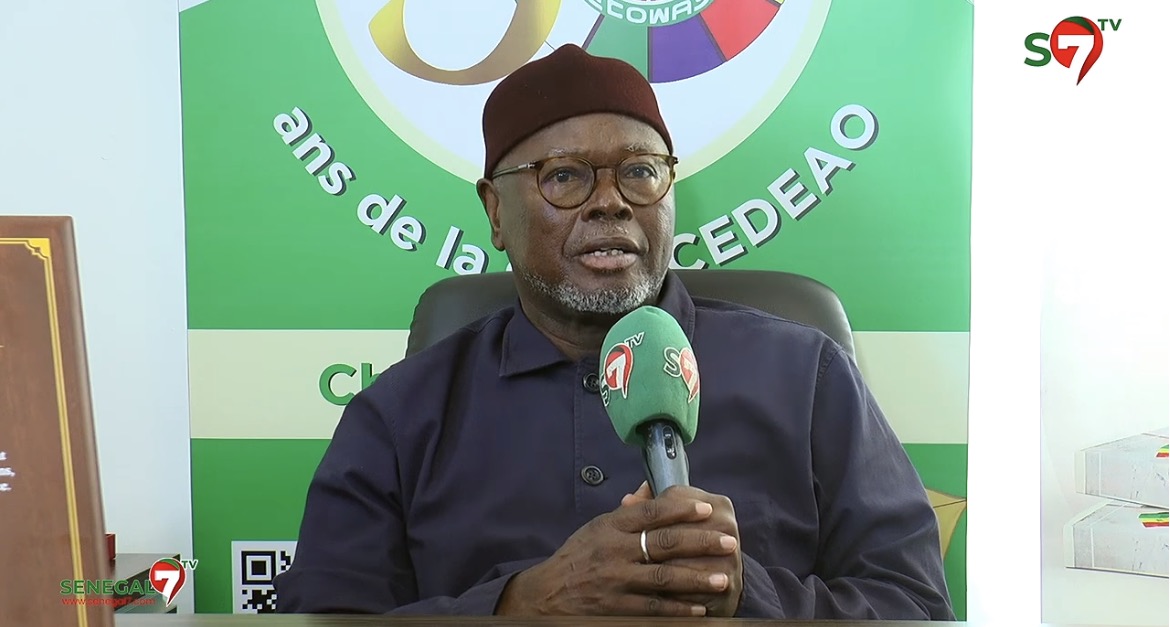
Alioune Tine: Sénégal Budget 2026 Decree Risks Constitutional Crisis
Summary
- Senegal's National Assembly rejected the 2026 Loi de Finances Rectificative (LFR).
- President Bassirou Diomaye Faye subsequently enacted the LFR 2026 by presidential decree.
- Human rights advocate Alioune Tine warned that the budget impasse could lead the state to bankruptcy and called for dialogue.
- Me Abdoulaye Tine, Minister-Counselor and Spokesperson for the Presidency of the Republic, referenced Article 52 of the Constitution, which allows for the dissolution of the Assembly and new elections.
- Prime Minister Ahmadou Al Aminou Lô also urged dialogue but stated the government would use "all institutional tools" if the blockage continued.
Institutional Standoff Over 2026 Budget
Alioune Tine has consistently advocated for a robust Dialogue politique Sénégal, arguing that imposing decisions unilaterally offers no sustainable solution.
The National Assembly's recent rejection of the Loi de Finances Rectificative (LFR) for 2026 has triggered a significant institutional crisis in Senegal. Following this legislative setback, President Bassirou Diomaye Faye moved to implement the Alioune Tine Sénégal budget 2026 through a presidential decree, bypassing the parliamentary vote. This executive action has intensified a power struggle between the presidency and the parliamentary majority, largely composed of members from the PASTEF party.
Human rights advocate Alioune Tine has voiced strong concerns, describing the escalating tension as a "suicidal overbidding" that threatens the nation's stability. Tine, who founded the AfrikaJom Center, emphasized that the budget's functionality is paramount for the state's operations, asserting that its rejection goes beyond a mere institutional disagreement, representing an "open insurrection" against the government's ability to govern.
Legal and Constitutional Implications
The executive's decision to enact the LFR 2026 Sénégal décret, despite its rejection by the National Assembly, raises critical questions about the balance of power and constitutional prerogatives. This move by President Bassirou Diomaye Faye has set a precedent that could have far-reaching legal and constitutional implications for the country's governance framework. The use of a presidential decree to push through the Bassirou Diomaye Faye budget highlights a significant tension between the executive branch and legislative oversight, particularly concerning fiscal policy.
In light of this impasse, Me Abdoulaye Tine, Minister-Counselor and Spokesperson for the Presidency of the Republic, has pointed to Article 52 Constitution Sénégal as a potential path forward. This constitutional provision outlines the conditions under which the President may dissolve the National Assembly, necessitating new legislative elections to be held within three months. While Prime Minister Ahmadou Al Aminou Lô has indicated the government's readiness to employ "all institutional tools" to resolve the budget blockage, he has, for the time being, ruled out an immediate institutional confrontation, suggesting a cautious approach despite the underlying legal tensions. The prospect of a Dissolution Assemblée Nationale Sénégal underscores the gravity of the current political and budgetary crisis.
Broader Societal and Economic Concerns
The ongoing Crise budgétaire Sénégal extends beyond political maneuvering, posing tangible threats to the nation's economic stability and the daily lives of its citizens. Alioune Tine has starkly warned that the failure to resolve the budget impasse could lead the state to bankruptcy, a dire outcome that would exacerbate existing hardships. Many Senegalese are already struggling with the rising costs of essential goods and the burden of rent, making the effective functioning of the state's budget critical for social welfare.
Alioune Tine has consistently advocated for a robust Dialogue politique Sénégal, arguing that imposing decisions unilaterally offers no sustainable solution. He articulated this view on X, stating unequivocally that "partisan bias has no future" and urging all parties to prioritize constructive engagement over entrenched positions. Prime Minister Ahmadou Al Aminou Lô has echoed calls for dialogue concerning the LFR, recognizing the need for a consensual path forward to avert further instability and ensure the government can effectively address the nation's pressing needs.
Practical Implications
Lawyers and compliance officers in Senegal should closely monitor the legal and constitutional implications of the 2026 budget's enactment by presidential decree following its rejection by the National Assembly. This institutional tension could lead to legal challenges regarding the budget's validity, potential political instability, and uncertainty in government spending, all of which may impact regulatory frameworks and business operations. Be prepared for potential legal arguments concerning the executive's powers versus legislative oversight.
Source
Source: Original reporting via Senegal7
How does this affect you?
Get an AI analysis of this article grounded in your jurisdictions, practice areas, and any policy documents you've uploaded to Wansom.
Finish Reading the Full Story and the Expert Analysis.
Get the latest legal & regulatory intelligence in Senegal
Wansom is AI and can make mistakes.