
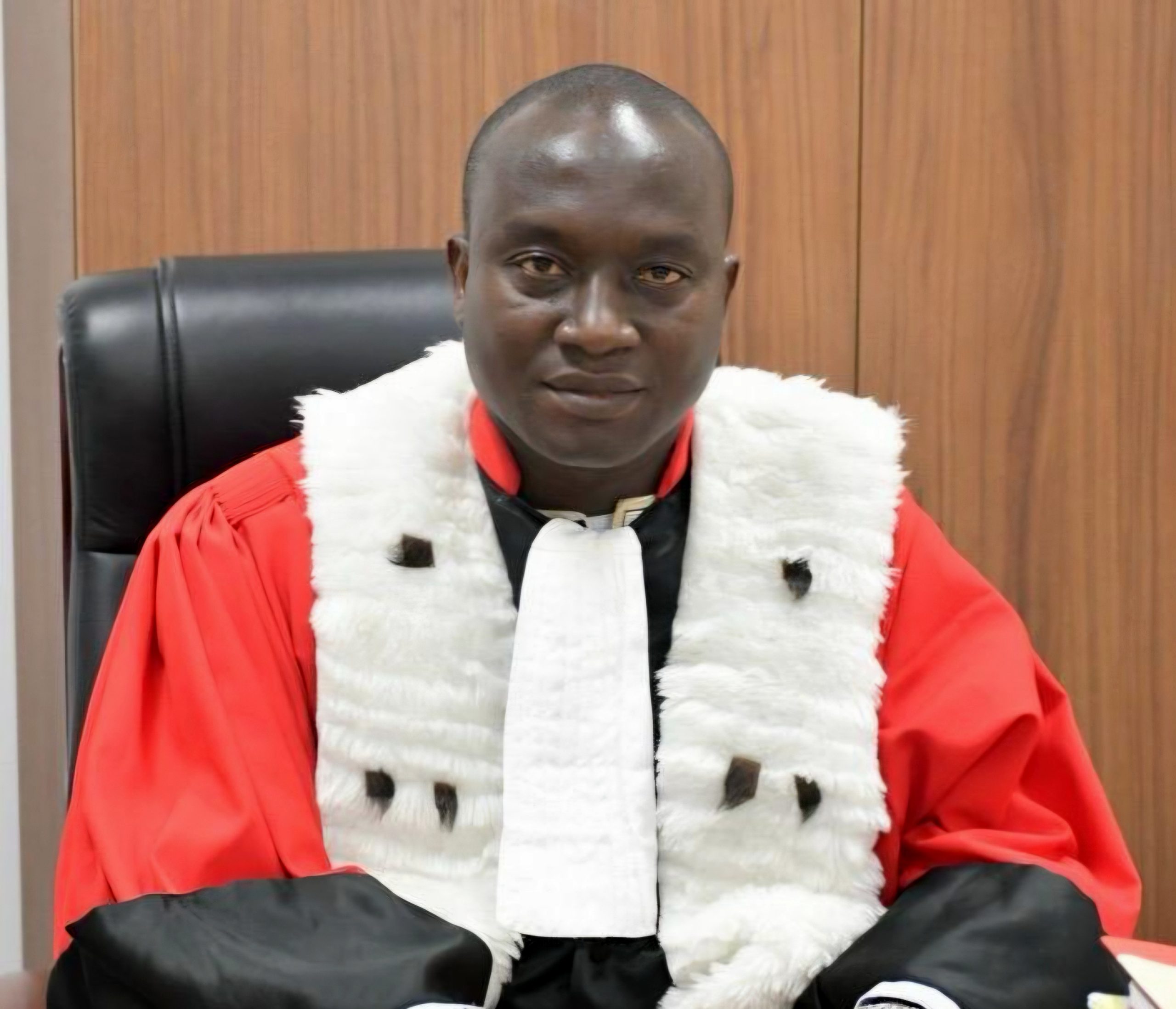
Algassimou Diallo Procès Cour Suprême Renvoyé: Absence Avocats Causes Sine Die Delay
Summary
- The trial of Algassimou Diallo, a former Attorney General at the Supreme Court, has been postponed indefinitely.
- The scheduled hearing for October 16, 2026, before the Supreme Court's Joint Chambers, could not proceed.
- The primary reason for the postponement was the critical absence of defense lawyers.
- This marks another instance where the high-profile legal proceedings have been brought to a halt.
Procedural Delay at Guinea's Highest Court
The provision and presence of defense counsel are not merely bureaucratic formalities but rather cornerstones upon which a just legal system is built, guaranteeing that all parties are afforded an equitable opportunity to present their arguments.
The legal proceedings concerning Algassimou Diallo, who previously held the significant position of Attorney General at the Supreme Court, have once again been brought to a standstill. A crucial hearing for his trial was formally scheduled for Friday, October 16, 2026, with the expectation that it would convene before the Joint Chambers of Guinea's highest judicial body, the Supreme Court. Despite these arrangements, the anticipated session ultimately failed to take place as planned.
The direct cause for this latest interruption was the critical absence of defense lawyers, meaning the legal representatives for Algassimou Diallo were not present in court. Confronted with this fundamental lack of defense counsel, the high court was compelled to make a decisive ruling. It opted to postpone the Algassimou Diallo procès Cour Suprême indefinitely, effectively rendering the procès renvoyé sine die. This incident marks another significant delay in the judicial process involving the ancien avocat général, highlighting recurring procedural hurdles in this high-profile case.
The Indispensable Role of Legal Representation
The inability of the Cour Suprême Guinée procès to proceed due to the non-appearance of defense lawyers underscores a foundational principle of equitable justice systems worldwide: the absolute necessity of legal counsel. For any judicial proceeding to uphold standards of fairness and legitimacy, the accused individual must be afforded robust representation to articulate their defense, scrutinize presented evidence, and ensure that all aspects of due process are meticulously observed. Without the active participation of defense attorneys, a court is typically unable to advance, as doing so would inherently jeopardize the defendant's rights and could severely compromise the integrity and perceived fairness of any subsequent judgment.
This specific occurrence, involving a figure of Algassimou Diallo's former stature, brings into sharp relief the intricate procedural demands and potential vulnerabilities inherent within the Guinean judicial framework. The provision and presence of defense counsel are not merely bureaucratic formalities but rather cornerstones upon which a just legal system is built, guaranteeing that all parties are afforded an equitable opportunity to present their arguments. When this essential element is absent, the entire judicial mechanism can experience significant disruption, irrespective of the prominence of the case or the individuals involved.
Broader Implications of Indefinite Postponement
The judicial decision to declare the procès renvoyé sine die carries substantial and far-reaching implications, extending well beyond the immediate delay experienced by Algassimou Diallo. An indefinite postponement introduces a profound level of uncertainty for every party connected to the case, including the prosecuting authorities, the defendant himself, and potentially any victims or witnesses who are awaiting a definitive resolution. Such protracted delays can significantly erode public trust in the efficiency, transparency, and timeliness of the justice system, a concern that is particularly pertinent in Guinée where judicial reforms and accountability are frequently subjects of public and international scrutiny.
Moreover, the observation that this trial is "de nouveau à l’arrêt" – again halted – strongly suggests a pattern of persistent procedural difficulties that have the potential to prolong legal battles for an extended period. The consistent and active presence of legal representation is not only paramount for safeguarding the fundamental rights of the accused but is also crucial for ensuring the smooth, continuous, and effective operation of the courts. This situation vividly illustrates how vital the availability and proactive participation of defense counsel are for maintaining the momentum of legal proceedings and, ultimately, for the timely administration of justice.
Practical Implications
Lawyers should note that even high-profile cases involving former legal officials can face significant procedural delays due to the absence of defense counsel, emphasizing the critical role of legal representation and potential impacts on case timelines in the Guinean justice system.
Source
How does this affect you?
Get an AI analysis of this article grounded in your jurisdictions, practice areas, and any policy documents you've uploaded to Wansom.
Finish Reading the Full Story and the Expert Analysis.
Get the latest legal & regulatory intelligence in Guinea
Wansom is AI and can make mistakes.