
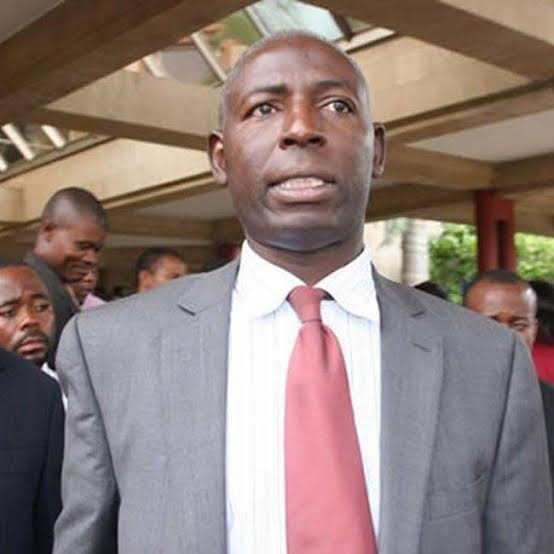
Alain Fogue Kondengui Letter: Challenges Cameroon Succession Plan
Summary
- From Kondengui Central Prison, Professor Alain Fogue Tedom released an 8-page open letter on September 2, 2026, after six years of imprisonment.
- The letter warns of a "programmed Bamiléké genocide" and denounces the creation of a non-elected Vice-President position in April 2026.
- Fogue argues this new role, allowing a Biya-appointed successor to automatically assume presidency, constitutes a "constitutional coup d'état" violating Article 64 of the 1996 Constitution.
- He accuses the Biya clan of preparing for "royalty" and criticizes the African Union's "guilty silence" since being informed in late April.
- The letter was addressed to numerous international figures and organizations, including President Paul Biya, the UN, AU, and leaders of France, the US, and Israel.
From Prison, a Dire Warning
Professor Fogue unequivocally labels this arrangement a "constitutional coup d'état," arguing it paves the way for a non-elected Vice-President to seize power.
From the confines of Kondengui Central Prison, Professor Alain Fogue Tedom, a prominent economist and leading figure within Cameroon's Mouvement pour la Renaissance du Cameroun (MRC), has issued a stark warning regarding the nation's political trajectory. On September 2, 2026, Professor Fogue, who has been incarcerated for six years, released an extensive eight-page open letter. This significant communication, originating from Kondengui prison, was broadly addressed to the international community, specifically naming numerous global leaders and organizations.
The letter, which delves into themes of "Kamtophobie, bamiphobie," expresses Professor Fogue's profound apprehension about a potential "programmed Bamiléké genocide." Beyond this grave concern, the communication sharply criticizes recent constitutional maneuvers aimed at establishing a non-elected Vice-President, a move he views as fundamentally undermining democratic principles. The release of this detailed missive by Alain Fogue from Kondengui prison underscores the escalating political tensions and constitutional challenges facing Cameroon, particularly concerning the contentious issue of presidential succession.
Among the high-profile recipients of this urgent correspondence were Cameroonian President Paul Biya, the African Union (AU), and the United Nations (UN). Additionally, the letter was dispatched to President Emmanuel Macron in Paris, President Donald Trump in Washington, Benjamin Netanyahu in Jerusalem, and the governments of Switzerland and the Commonwealth. This broad distribution highlights Professor Fogue's intent to draw international attention to what he perceives as critical threats to Cameroon's stability and democratic future, directly linking the Alain Fogue Kondengui letter to the broader discourse on Cameroon succession.
Constitutional Challenges to Succession
At the core of Professor Fogue's alarm is the recent establishment of a Vice-Presidential post in April 2026, a development he characterizes as a direct assault on Cameroon's republican form of government. This newly created role stipulates that the Vice-President would be personally appointed by President Paul Biya and would automatically assume the presidency in the event of a vacancy, bypassing any electoral process. Professor Fogue unequivocally labels this arrangement a "constitutional coup d'état," arguing it paves the way for a non-elected Vice-President to seize power.
His critique hinges on Article 64 of the 1996 Cameroonian Constitution, which explicitly states that "no revision can undermine the republican form" of the state. Professor Fogue contends that the introduction of an appointed successor, rather than one chosen through popular vote, constitutes a clear violation of this fundamental constitutional safeguard. He describes this mechanism as a "succession by mutual agreement, within the family, without going through the ballot box," directly challenging the legitimacy of any future Biya succession constitutionnelle under these terms.
This proposed system, according to the MRC's economic brain, effectively transforms the nation from a republic into a monarchy, fostering a system of "royalty" rather than democratic governance. The implications for the rule of law and the democratic process in Cameroon are significant, as the creation of a Cameroun vice-président non élu fundamentally alters the established constitutional framework for leadership transition.
Accusations of 'Royalty' and International Silence
Professor Fogue's letter extends beyond constitutional concerns, leveling serious accusations against the current administration. He asserts that the Biya clan is actively preparing for a transition to "royalty," effectively dismantling the republican structure of the state. This claim is intertwined with his earlier expressed fears of a "programmed Bamiléké genocide," suggesting a broader strategy to consolidate power and suppress dissent, a grave accusation highlighted by the Alain Fogue génocide bamiléké phrase.
The international community's response, or lack thereof, has also become a point of contention. Professor Fogue specifically notes that the African Union, despite being informed of these developments in late April, has maintained a conspicuous silence. He condemns this inaction as a "guilty silence," implying complicity or indifference to the erosion of democratic norms in Cameroon. This silence, he suggests, emboldens those seeking to subvert the constitutional order.
The broad appeal to international leaders and bodies, including the UN, the Commonwealth, and heads of state from France, the United States, and Israel, underscores the perceived urgency and gravity of the situation. Professor Fogue's call for intervention reflects a belief that external pressure is necessary to prevent what he views as a slide towards authoritarianism and potential ethnic violence, making the Cameroun article 64 Constitution a critical point of international scrutiny.
Practical Implications
Lawyers advising clients in Cameroon should monitor the escalating political instability and constitutional challenges, particularly regarding the proposed non-elected vice-presidency, as these developments could impact the rule of law, investment climate, and human rights compliance.
Source
Source: Original reporting via {source}
How does this affect you?
Get an AI analysis of this article grounded in your jurisdictions, practice areas, and any policy documents you've uploaded to Wansom.
Finish Reading the Full Story and the Expert Analysis.
Get the latest legal & regulatory intelligence in Cameroon
Wansom is AI and can make mistakes.