
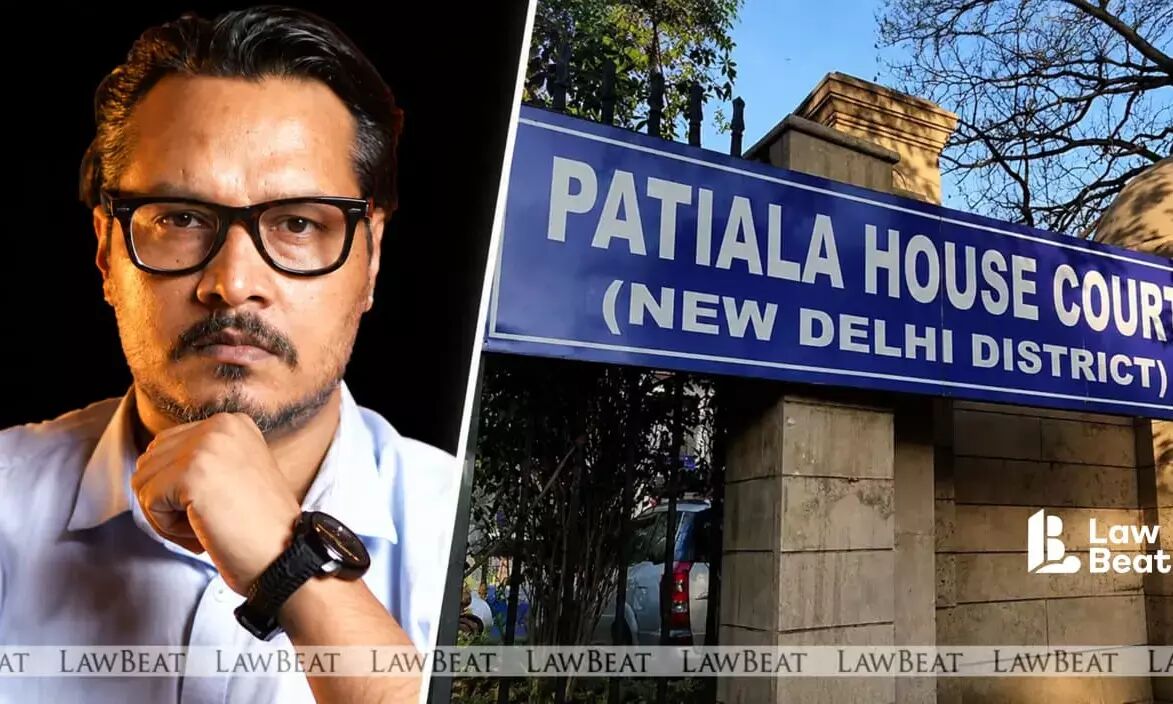
Ajeet Bharti: Delhi Court Postpones SC/ST Act Anticipatory Bail Hearing
Summary
- A Delhi court has adjourned YouTuber Ajeet Bharti's anticipatory bail plea in a case filed under the SC/ST Act.
- The allegations stem from purportedly objectionable remarks made during an August 22 YouTube broadcast.
- The FIR, registered at North Avenue Police Station, also invokes provisions of the IT Act and the new Bharatiya Nyaya Sanhita.
- Bharti denies the casteist allegations, claiming his statements were a response to personal insults and that the case lacks merit.
- The court has directed the Investigating Officer to submit any notice issued, allowing judicial review of the prima facie ingredients of the alleged offense.
Court Adjourns Anticipatory Bail Plea for YouTuber
The court's directive underscores a critical procedural safeguard, ensuring judicial oversight into the initial assessment of whether an offense under the Scheduled Castes and the Scheduled Tribes (Prevention of Atrocities) Act has been prima facie committed.
A Delhi court recently postponed the hearing for YouTuber Ajeet Bharti's application seeking anticipatory bail in a case filed under the Scheduled Castes and the Scheduled Tribes (Prevention of Atrocities) Act. The matter, which involves allegations of objectionable remarks made during an online broadcast, was listed for further arguments on August 31. Additional Sessions Judge Saurabh Pratap Singh Laler is presiding over the proceedings, which saw the application briefly passed over before the adjournment was announced.
Bharti is currently seeking protection from arrest in connection with the charges, which allege that comments he made on his YouTube channel constitute offenses under the stringent SC/ST Act. The ongoing legal process in the Delhi court will determine whether he can secure pre-arrest bail amidst these serious accusations. The case highlights the increasing scrutiny of online speech under special legislation designed to protect marginalized communities.
Details of the Allegations and Legal Provisions
The First Information Report (FIR) against Ajeet Bharti was lodged at the North Avenue Police Station in Delhi, following a complaint by Balakram Bauddh, who serves as the Delhi State President of the Azad Samaj Party (Kanshi Ram). This political party is led by Nagina MP Chandrashekhar Azad. The complaint specifically references remarks allegedly uttered by Bharti during an August 22 YouTube program titled “SB79: Reservation Hatao Andolan Nautanki & More | Saptahik Bakaiti.”
The complainant asserts that Bharti made caste-based and abusive comments targeting both Chandrashekhar Azad and Dr. B.R. Ambedkar. Furthermore, the allegations include sexually objectionable remarks concerning women and the issuance of threats. The FIR contends that the videos contain a continuous series of statements related to caste, reservation, marriage, and members of Scheduled Caste communities, with the accused repeatedly employing caste identity in a derogatory and humiliating manner. Beyond the Scheduled Castes and the Scheduled Tribes (Prevention of Atrocities) Act, the FIR also invokes Section 67 of the Information Technology Act and Sections 196(1)(c) and 351(3) of the recently enacted Bharatiya Nyaya Sanhita, which correspond to Sections 153-A and 506 of the Indian Penal Code, respectively. This case exemplifies the growing legal challenges surrounding online speech SC/ST Act allegations.
Bharti's Defense and Judicial Scrutiny
Ajeet Bharti has publicly refuted the accusations of making casteist remarks, asserting that his statements were a direct response to what he perceived as an offensive comment directed at his mother and sister. In his plea before the court, he maintains that the allegations do not fulfill the essential ingredients required to constitute an offense under the SC/ST Act. He specifically argues that no caste-based remark was made against Chandrashekhar Azad, nor was any casteist slur used to insult him. Bharti further claims that the FIR was registered under duress, alleging significant pressure from Azad Samaj Party members at the North Avenue Police Station to file the complaint late at night.
During the proceedings, the court issued a crucial directive: should the Investigating Officer (IO) issue any notice in the case, a copy must also be presented to the court. This procedural step is intended to allow the court to meticulously examine the date of the notice's issuance and to ascertain its prima facie satisfaction regarding the foundational elements of an offense under the Scheduled Castes and the Scheduled Tribes (Prevention of Atrocities) Act. This directive highlights the Delhi court anticipatory bail procedure and the judicial emphasis on scrutinizing the initial basis for charges.
Implications for Online Content and Legal Procedure
The court's directive underscores a critical procedural safeguard, ensuring judicial oversight into the initial assessment of whether an offense under the Scheduled Castes and the Scheduled Tribes (Prevention of Atrocities) Act has been prima facie committed. This approach is particularly relevant for cases involving online speech, where the context and intent of remarks can be subject to varied interpretations. By requiring the Investigating Officer to submit notices for judicial review, the court aims to ensure that the stringent provisions of the SC/ST Act are applied judiciously, especially when considering protection from arrest under the SC/ST Act.
The ongoing proceedings, which include the summoning of the Investigating Officer and the issuance of a notice to the police regarding the anticipatory bail plea, reflect the careful consideration being given to this matter. The listing for August 31 signifies that the Delhi court is taking a measured approach to evaluate both the serious allegations of YouTube objectionable remarks bail and the defense's arguments, particularly concerning the applicability of the Scheduled Castes and the Scheduled Tribes (Prevention of Atrocities) Act and the new Bharatiya Nyaya Sanhita provisions.
Practical Implications
This case offers insight into how Delhi courts are scrutinizing anticipatory bail applications under the SC/ST Act for alleged online offenses, especially with the mention of the new Bharatiya Nyaya Sanhita provisions. Lawyers advising clients on online content should note the court's emphasis on examining the prima facie ingredients of the offense and the procedural directives for Investigating Officers, which could inform defense strategies in similar cases.
Source
How does this affect you?
Get an AI analysis of this article grounded in your jurisdictions, practice areas, and any policy documents you've uploaded to Wansom.
Finish Reading the Full Story and the Expert Analysis.
Wansom is AI and can make mistakes.