
Ajavon Family Benin African Court Claim: State Ordered to Pay Damages
Summary
- The African Court on Human and Peoples' Rights has ruled in favor of the Ajavon family in their claim against the Beninese state.
- The Court ordered reparations for damages suffered after businessman Sébastien Ajavon's conviction by the CRIET.
- Specific grievances included the seizure of their bank accounts and financial losses from company stakes.
- The CADHP has condemned Benin and ordered compensation for these harms, though Benin later withdrew from the protocol allowing direct individual access to the Court.
The Claim Before the African Court
This particular case highlights the growing potential for significant international litigation against sovereign states, particularly when allegations of human rights violations arise from domestic legal proceedings and the subsequent freezing or seizure of assets.
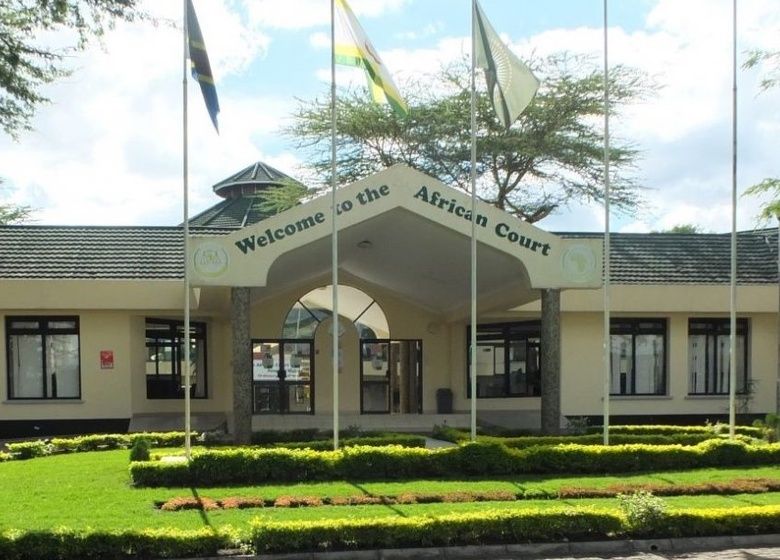
The African Court on Human and Peoples' Rights (CADHP) has already ruled in favor of the family of businessman Sébastien Ajavon, ordering the Beninese state to pay substantial financial compensation. This significant "Ajavon family Benin African Court claim" centered on alleged damages incurred following the domestic conviction of Mr. Ajavon by the Court for the Repression of Economic Offenses and Terrorism (CRIET). The family asserted that the state's actions led to considerable financial detriment, necessitating intervention from the international tribunal.
Specifically, the claimants highlighted two primary areas of loss they attributed to the state's conduct. They contended that their bank accounts were subject to seizure, directly impacting their financial operations and stability. Furthermore, the family detailed significant financial losses stemming from their equity participations in various companies, which they argued were a direct consequence of the legal proceedings and subsequent conviction of Sébastien Ajavon. These grievances formed the core of their demand for "Benin State African Court damages."
International Legal Recourse
The rulings by the African Court on Human and Peoples' Rights represent a critical effort by the Ajavon family to secure "Sébastien Ajavon CADHP reparations" for what they described as profound injustices. The CADHP, an international judicial body established to protect human and peoples' rights across Africa, has already ruled on the state of Benin's responsibility for the alleged harm, though Benin subsequently withdrew from the protocol allowing individuals and NGOs direct access to the Court. This move underscored the increasing trend of individuals and entities seeking redress at international levels when domestic legal avenues are perceived as insufficient or flawed.
The family's appeal to the "African Court Human Peoples Rights Benin" signified a challenge to the legitimacy and impact of the CRIET's judgment on Sébastien Ajavon. By bringing a "CRIET conviction international claim," they effectively argued that the domestic legal process, and its subsequent enforcement actions like the "Ajavon bank accounts seizure Benin," resulted in violations that fall under the CADHP's jurisdiction. The Court's decision to condemn Benin and mandate reparations emphasized the severity of the financial and economic consequences they claimed to have endured.
Precedent and State Liability
This particular case highlights the growing potential for significant international litigation against sovereign states, particularly when allegations of human rights violations arise from domestic legal proceedings and the subsequent freezing or seizure of assets. The rulings in the "Ajavon family Benin African Court claim" have established important precedents regarding state liability for economic damages directly linked to judicial actions. Such rulings have far-reaching implications for how states conduct legal proceedings involving prominent business figures and manage asset freezes.
Lawyers and legal observers closely monitored the CADHP's decisions, as they could significantly inform strategies for clients involved in similar disputes or facing asset seizures in various African jurisdictions. A favorable ruling for the Ajavon family could embolden others to pursue international claims for economic losses resulting from domestic judicial processes, thereby increasing the scrutiny on national legal systems. The case reinforces the principle that states may be held accountable on an international stage for the economic repercussions of their domestic legal decisions.
Practical Implications
This case highlights the potential for significant international litigation against states for alleged human rights violations arising from domestic legal proceedings and asset freezes. Lawyers should monitor the CADHP's decision as it could establish important precedents regarding state liability for economic damages linked to judicial actions, informing strategies for clients involved in similar disputes or facing asset seizures in African jurisdictions.
Source
How does this affect you?
Get an AI analysis of this article grounded in your jurisdictions, practice areas, and any policy documents you've uploaded to Wansom.
Finish Reading the Full Story and the Expert Analysis.
Get the latest legal & regulatory intelligence in Benin
Wansom is AI and can make mistakes.