
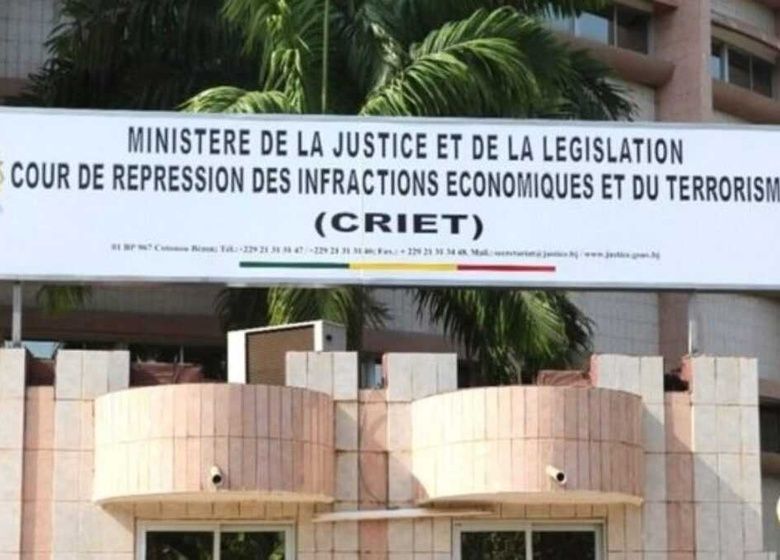
Océane 229 CRIET Procédure: Tiktokeuse Faces Mandat de Dépôt in Benin
Summary
- A tiktokeuse known as Océane 229 was arrested and placed under a `mandat de dépôt` in October 2026.
- She is currently being prosecuted before the `Cour de répression des infractions économiques et du terrorisme (CRIET)`.
- The CRIET is a specialized court in Benin that handles cases involving economic infractions and terrorism.
- This case highlights the increasing legal scrutiny faced by online content creators and influencers in Benin.
What Happened
The ongoing Océane 229 CRIET procédure serves as a stark reminder of the evolving legal landscape for online content creators and influencers in Benin.
A prominent tiktokeuse, widely recognized by her online handle "Océane 229", has been taken into custody and subsequently placed under a `mandat de dépôt`. This significant development occurred in October 2026, marking a notable moment for online content creators in the region. The individual, known for her digital presence, is now facing prosecution before the `Cour de répression des infractions économiques et du terrorisme (CRIET)` in Benin.
The legal action against Océane 229 underscores the increasing scrutiny directed at social media personalities. Her apprehension and subsequent detention indicate a serious legal process initiated against a figure who primarily operates within the digital sphere. The specific details of the allegations leading to her appearance before the CRIET remain central to the ongoing `Océane 229 CRIET procédure`.
The CRIET's Jurisdiction
The `Cour de répression des infractions économiques et du terrorisme Bénin`, commonly known as the CRIET, is a specialized judicial body established to address specific categories of offenses. Its mandate encompasses the prosecution of crimes related to economic infractions and acts of terrorism, distinguishing it from general jurisdiction courts. The involvement of the CRIET in the `procédure pénale Bénin influenceur` involving Océane 229 highlights the gravity with which her case is being treated.
This special court was designed to handle complex and sensitive cases, often involving significant financial implications or national security concerns. Its jurisdiction over economic crimes means it deals with a broad spectrum of offenses, while its role in combating terrorism underscores its critical function in the country's legal landscape. The decision to bring the `tiktokeuse Océane 229 CRIET` case before this particular tribunal signals the potential for serious charges.
Legal Risks for Content Creators
The ongoing `Océane 229 CRIET procédure` serves as a stark reminder of the evolving legal landscape for online content creators and influencers in Benin. Individuals who leverage digital platforms for their work are increasingly subject to legal scrutiny, particularly when their activities might intersect with areas deemed sensitive by national authorities, such as economic regulations or public order. The placement of Océane 229 under a `mandat de dépôt` following her arrest in October 2026 illustrates the potential for severe consequences.
This case highlights the imperative for digital personalities to exercise caution and ensure compliance with national laws, even when operating in seemingly informal online spaces. The `procédure pénale Bénin influenceur` now unfolding before the `Cour de répression des infractions économiques et du terrorisme Bénin` demonstrates that online activities are not immune from robust legal oversight, especially when the specialized CRIET is involved. The implications extend beyond the individual case, signaling a broader trend of accountability for digital content.
Significance of the Case
The prosecution of the `tiktokeuse Océane 229 CRIET` before such a specialized court carries significant weight. It underscores the potential for online activities to be interpreted within the stringent frameworks of economic and anti-terrorism legislation. The fact that a content creator is undergoing a `procédure pénale Bénin influenceur` before the CRIET emphasizes the serious nature of the allegations she faces, even if the specific details of those allegations have not been publicly elaborated beyond the court's general jurisdiction.
This particular `Océane 229 CRIET procédure` is not merely a routine legal matter; it sets a precedent for how digital expression and online commerce might be adjudicated in the future. The involvement of the `Cour de répression des infractions économiques et du terrorisme Bénin` indicates that authorities are prepared to apply the full force of specialized legal mechanisms to cases involving online figures, highlighting the critical need for legal awareness among all content creators operating within the country.
Practical Implications
This case highlights the increasing scrutiny and legal risks faced by online content creators in Benin, particularly regarding potential economic infractions or terrorism-related charges handled by the CRIET. Lawyers should advise clients involved in social media on content compliance and the severe implications of legal proceedings before this specialized court.
Source
How does this affect you?
Get an AI analysis of this article grounded in your jurisdictions, practice areas, and any policy documents you've uploaded to Wansom.
Finish Reading the Full Story and the Expert Analysis.
Get the latest legal & regulatory intelligence in Benin
Wansom is AI and can make mistakes.