
Sudanese Army Detains Ahmed Haroun: Wanted by ICC for Darfur War Crimes
Summary
- Ahmed Haroun, the former ruling National Congress Party leader, was arrested by the Sudanese army on November 8, 2026.
- Haroun is wanted by the International Criminal Court for alleged war crimes and genocide in Darfur from 2003-2004, and faces national charges related to killing demonstrators.
- His arrest follows a recent public appearance where he discussed the NCP and army's unity against the Rapid Support Forces despite political differences.
- The reason for the Sudanese army detaining Haroun, an ally, remains unclear, and neither the army nor the ICC has commented.
- Haroun had previously stated his willingness to return to prison after escaping during the 2023 conflict.
What Happened
The arrest of Ahmed Haroun, particularly given his indictment by the International Criminal Court for war crimes and genocide, underscores the complex interplay between national sovereignty, internal conflict, and the pursuit of international justice.
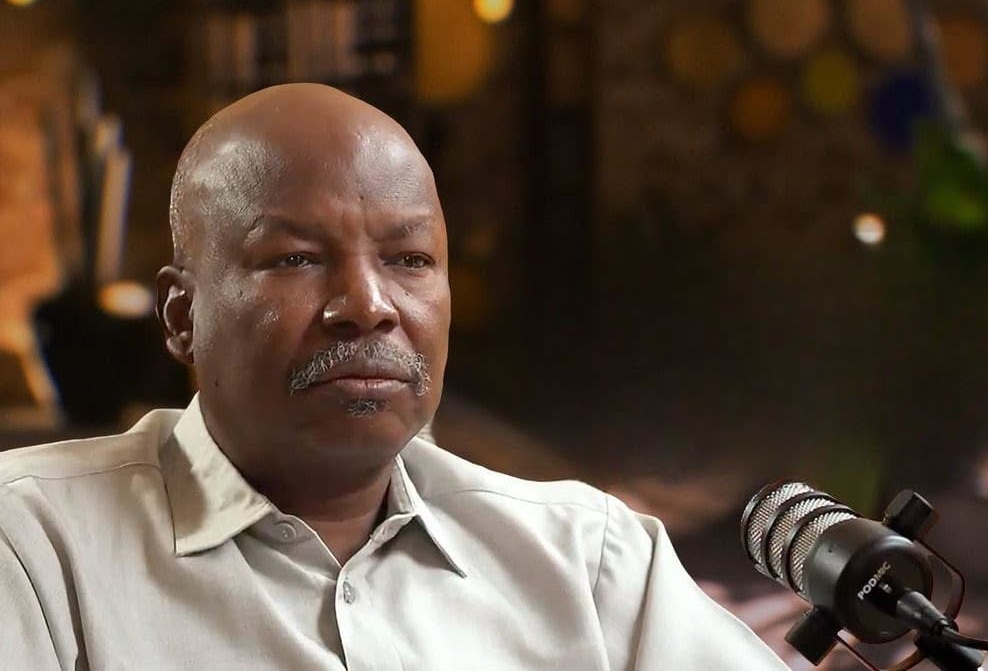
On November 8, 2026, the Sudanese army detained Ahmed Haroun, the authorized leader of the former ruling National Congress Party (NCP). This arrest was confirmed by two officials from the NCP, who conveyed the information via Reuters. Haroun had been largely out of public view since the collapse of the Al-Bashir regime in 2019, only recently resurfacing in a podcast interview broadcast on television the previous Saturday.
His public appearance had ignited significant debate, with many arguing that authorities should apprehend him given his status as a wanted individual. Conversely, supporters of the National Congress Party celebrated his emergence, characterizing it as a brave act. Despite the confirmation of the Sudanese army detaining Haroun, the specific reasons behind the military's move against a figure considered an ally remain undisclosed. As of the reporting date, neither the Sudanese army nor the International Criminal Court has issued any official statement regarding the Ahmed Haroun arrest Sudan ICC.
Legal Context
Ahmed Haroun faces a dual set of serious accusations, both domestically and internationally. Within Sudan, numerous complaints have been filed against him, alleging his involvement in the killing of demonstrators who had called for the Al-Bashir regime's downfall. Internationally, he is a prominent figure wanted by the International Criminal Court (ICC) on charges of alleged war crimes and genocide. These international accusations stem from his influential role within the ousted regime during the 2003-2004 period in the Darfur region, where the alleged atrocities took place.
Following the outbreak of the 2023 civil war, which led to widespread security disturbances and the escape of prisoners, Haroun had publicly declared his readiness to surrender himself and return to custody should the judiciary request it. This declaration came after his escape from prison amidst the chaos. The current Ahmed Haroun International Criminal Court warrant for his arrest highlights the ongoing pursuit of accountability for the Sudan Darfur war crimes.
Why It Matters
The arrest of Ahmed Haroun, particularly given his indictment by the International Criminal Court for war crimes and genocide, underscores the complex interplay between national sovereignty, internal conflict, and the pursuit of international justice. This development is significant for legal professionals, especially those specializing in international criminal law and human rights, who should closely monitor its progression. The case could potentially establish new precedents concerning the enforcement of ICC warrants and the extent of state cooperation, particularly within contexts marked by political instability and shifting alliances, such as the current situation in Sudan.
Haroun's recent statements, made during his podcast appearance, further complicate the political landscape. He asserted that while the National Congress Party and the army might not align politically, they stand united in the ongoing Sudanese civil war against the Rapid Support Forces. This declaration, coupled with the army's decision to detain him, adds layers of complexity to understanding the internal dynamics and power struggles within Sudan. The incident also serves as a stark reminder of the persistent efforts to achieve accountability for the alleged atrocities committed in Darfur, reinforcing the importance of ICC warrant enforcement Sudan.
Practical Implications
This arrest, particularly given Haroun's ICC indictment for war crimes and genocide, highlights the complex interplay between national sovereignty, internal conflict, and international justice. Lawyers specializing in international criminal law or human rights should monitor developments closely, as this case could influence future precedents regarding the enforcement of ICC warrants and state cooperation, especially in contexts of political instability and shifting alliances within Sudan. It also underscores the ongoing pursuit of accountability for alleged atrocities in Darfur.
Source
How does this affect you?
Get an AI analysis of this article grounded in your jurisdictions, practice areas, and any policy documents you've uploaded to Wansom.
Finish Reading the Full Story and the Expert Analysis.
Get the latest legal & regulatory intelligence in Sudan
Wansom is AI and can make mistakes.