
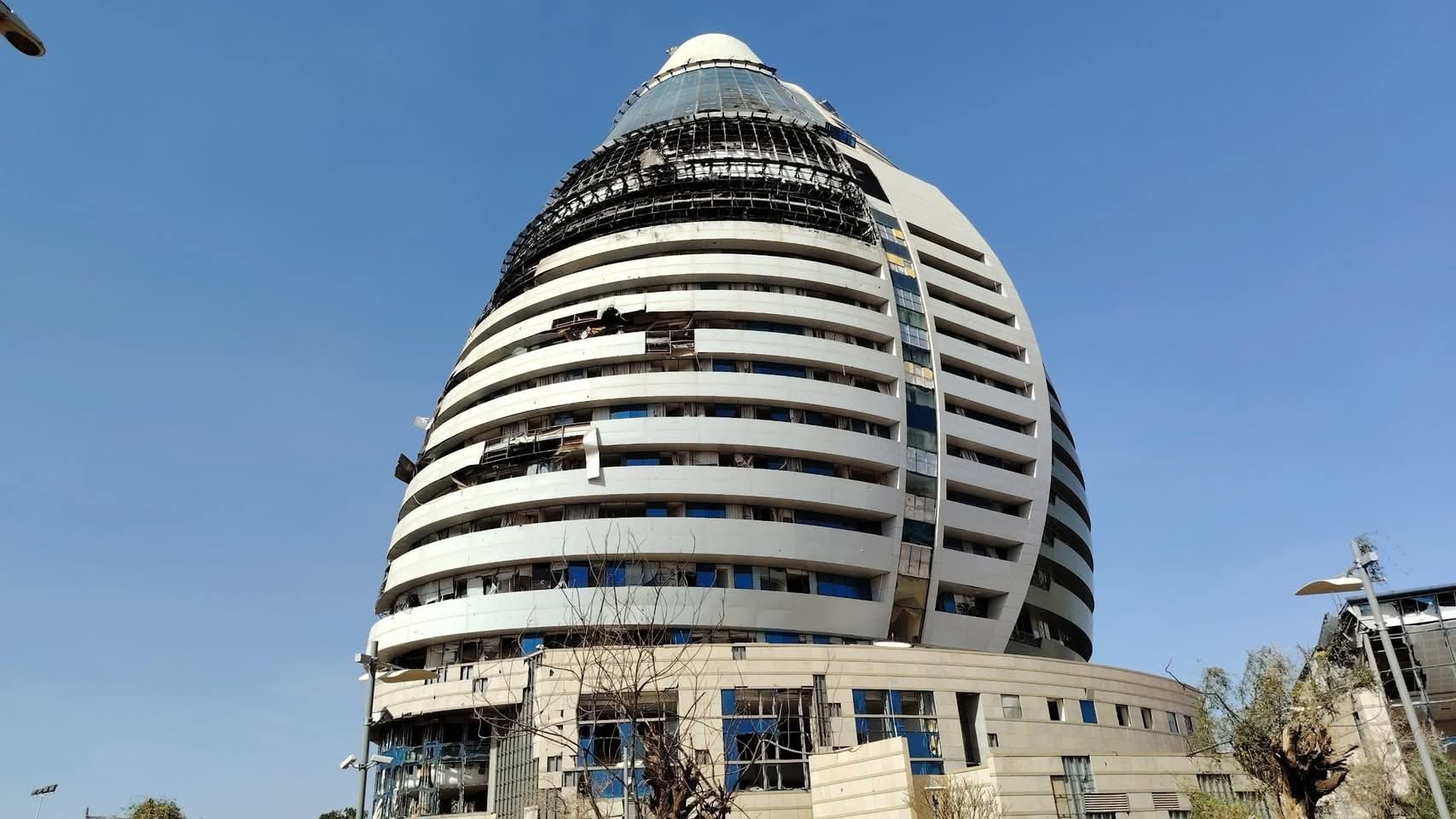
Sudan War: Infrastructure Bombing Attribution Unknown Amid SAF, RSF Denials
Summary
- Both the Sudanese Armed Forces and Rapid Support Forces deny responsibility for attacks on civilian infrastructure and UN facilities in Sudan.
- Numerous drone bombings, including 18 electricity stations and two markets, have occurred without either side claiming official responsibility.
- An attack on the Ameet Market in Abyei, where UNISFA is present, resulted in dozens of casualties and widespread fires, with both sides denying involvement.
- The mutual denials mean many attacks are recorded 'against an unknown perpetrator,' complicating war crimes investigations and accountability.
- This situation highlights significant challenges in attributing responsibility for violations of international humanitarian law in the ongoing conflict.
What Happened
The inability to definitively attribute these actions to either the Sudanese Armed Forces or the Rapid Support Forces not only perpetuates a cycle of impunity but also significantly impedes any future efforts to seek justice for victims.
The ongoing conflict in Sudan is marked by a pervasive lack of accountability for attacks on civilian infrastructure and United Nations facilities, with both the Sudanese Armed Forces (SAF) and the Rapid Support Forces (RSF) consistently denying responsibility. This mutual disavowal means that numerous bombing incidents, particularly those involving drones and warplanes, are officially recorded as having been perpetrated by an unknown entity. While the SAF has occasionally acknowledged some operations, such admissions remain rare, contributing to a climate where definitive attribution is exceptionally difficult.
Recent weeks have seen a a surge in drone attacks attributed to both warring factions. From the latter half of October through November 4, approximately eighteen electricity stations located in territories under SAF control were targeted by drone strikes. The RSF has not issued any official statement claiming these specific bombings. Similarly, in October, a drone attack struck the bustling Doumaya Market in Nyala, a city within South Darfur that is currently under RSF dominion. This incident, which resulted in both civilian and military fatalities according to Doctors Without Borders, also went unclaimed by either the SAF or the RSF.
A particularly egregious event occurred on October 19, when the Ameet Market, also known as Al-Na'am Market, in Abyei, was hit by a strategic drone for the second time. This area is notable for hosting the UN Interim Security Force for Abyei (UNISFA). The attack caused dozens of casualties, including both dead and wounded, and ignited extensive fires across the market, which is a significant hub for fuel trade. Both the SAF and RSF promptly denied any involvement, instead engaging in a public exchange of accusations. Furthermore, an UNISFA base in Kadugli was bombed on December 13, 2025, leading to its evacuation by December 24, 2025.
Legal Context
The persistent denial by both the Sudanese Armed Forces and the Rapid Support Forces regarding attacks on civilian infrastructure and UN facilities creates significant hurdles for establishing accountability under international humanitarian law. In the absence of official claims, the responsibility for drone bombings is often left to be determined through journalistic sources or analytical assessments that weigh which party would strategically benefit from a particular strike. This informal method of attribution underscores the profound challenges in identifying perpetrators, which is a critical first step in investigating potential war crimes.
Attacks on civilian objects, such as electricity stations and markets, are strictly prohibited under international humanitarian law unless they are legitimate military objectives and precautions are taken to minimize civilian harm. The targeting of UN facilities, like the UNISFA base in Kadugli or the market in Abyei where UNISFA is present, raises additional concerns, as such installations and personnel are typically afforded special protection. The current environment in Sudan, where responsibility for such grave incidents remains largely unassigned, severely complicates efforts to uphold these fundamental principles of warfare and protect non-combatants.
Why It Matters
The prevailing ambiguity surrounding the perpetrators of infrastructure bombings and attacks on UN facilities in Sudan carries profound implications for the conflict's trajectory and its human cost. The inability to definitively attribute these actions to either the Sudanese Armed Forces or the Rapid Support Forces not only perpetuates a cycle of impunity but also significantly impedes any future efforts to seek justice for victims. This lack of clear responsibility makes it exceedingly difficult to initiate war crimes investigations, as the fundamental element of identifying the responsible party remains elusive.
Beyond legal ramifications, the "Sudan war infrastructure bombing unknown" phenomenon directly undermines humanitarian operations. When essential services like electricity are disrupted and markets are destroyed without clear accountability, it exacerbates the suffering of the civilian population and complicates the delivery of vital aid. Furthermore, the absence of attribution creates a challenging landscape for any potential claims for damages or reparations, leaving affected communities with little recourse. This situation highlights a heightened risk of unaddressed violations of international humanitarian law, making it a critical concern for international bodies and legal professionals alike.
Practical Implications
This situation highlights the significant challenges in attributing responsibility for attacks on civilian infrastructure and UN facilities in Sudan, complicating potential war crimes investigations, humanitarian aid efforts, and claims for damages. Lawyers advising clients with operations or personnel in Sudan must factor in this lack of accountability and the heightened risk of unaddressed violations of international humanitarian law.
Source
How does this affect you?
Get an AI analysis of this article grounded in your jurisdictions, practice areas, and any policy documents you've uploaded to Wansom.
Wansom is AI and can make mistakes.