
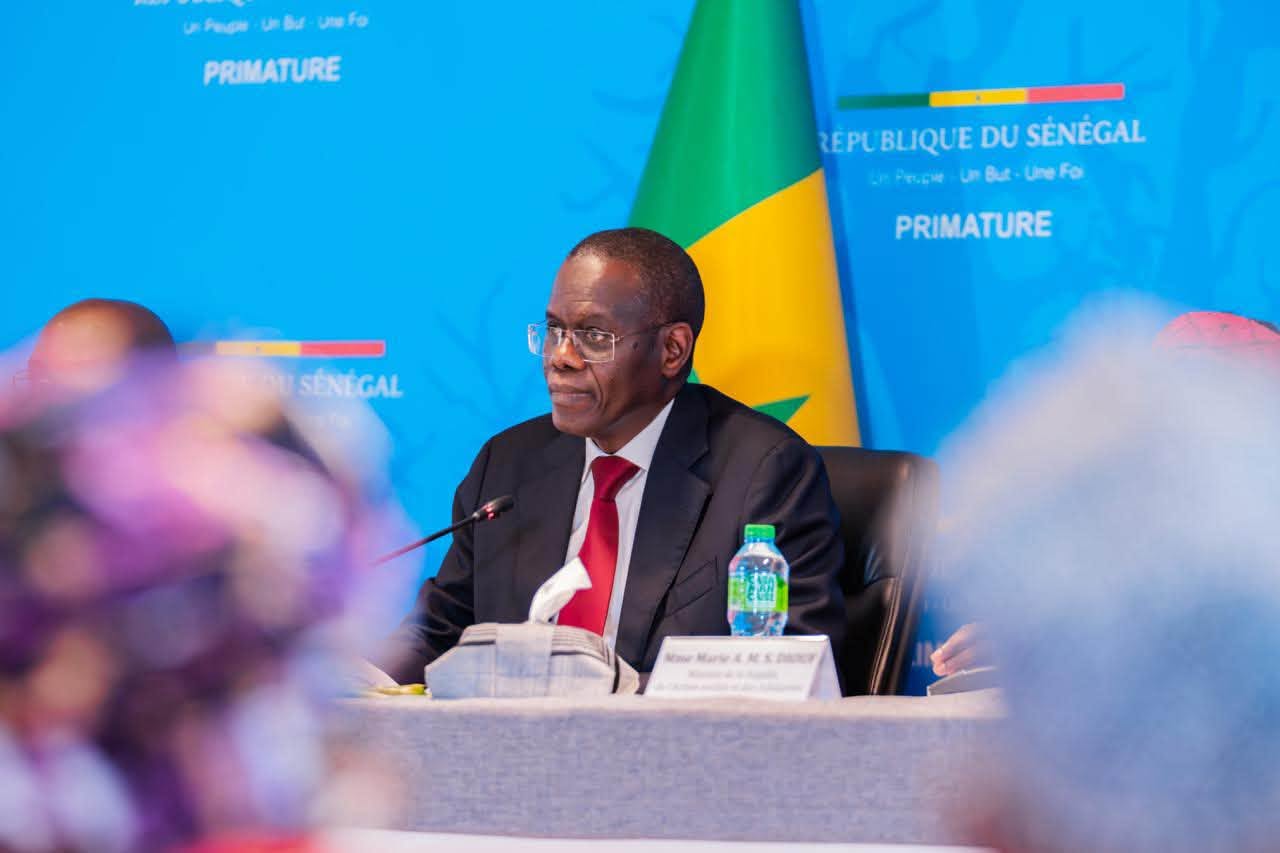
Ahmadou Al Aminou Lô: Pastef LFR 2026 Dialogue Resumes After Rejection
Summary
- Premier ministre Ahmadou Alhaminou Mohamed Lô seeks to restart dialogue with Pastef deputies regarding the rejected draft Loi de Finances Rectificative (LFR) 2026.
- The LFR 2026 aims to address shortfalls in previous government forecasts, revive the economy, and manage a 550 billion CFA franc energy shock without burdening consumers.
- Lô attributes the need for budget adjustments to projections made under the previous administration led by Ousmane Sonko, now President of the National Assembly.
- The Premier ministre believes consensus is achievable but warns that the Constitution allows the government to use certain prerogatives if discussions fail.
- The plenary session for the LFR 2026 is scheduled for Tuesday, October 27, with dialogue expected to resume on Monday.
Call for Renewed Dialogue on LFR 2026
He affirmed that the Constitution grants the government specific prérogatives gouvernementales LFR, allowing it to proceed with certain actions without necessarily incurring direct responsibility.
Premier ministre Ahmadou Alhaminou Mohamed Lô has initiated efforts to re-engage in discussions with deputies from the Pastef party, following the recent rejection of the draft Loi de Finances Rectificative (LFR) 2026 by a parliamentary commission. This push for dialogue is critical as the full plenary session for the bill's consideration is scheduled for Tuesday, October 27. The head of government expressed his hope for a consensus to be reached, indicating that talks with Pastef are slated to recommence on Monday.
Speaking to RFI's Léa-Lisa Westerhoff, Premier ministre Lô downplayed the significance of any current misunderstandings or potential political posturing, stating they do not represent a major impediment to progress. These remarks, reported by Laviesenegalaise, underscore the government's commitment to advancing the LFR 2026 despite initial parliamentary resistance. The proposed legislation, which outlines significant ajustements budgétaires Sénégal 2026, is central to the government's economic strategy.
Government's Rationale for Budget Adjustments
The necessity for the current ajustements budgétaires Sénégal 2026, according to Ahmadou Alhaminou Mohamed Lô, stems from financial projections made under the previous administration, which was then led by Ousmane Sonko, now serving as the President of the National Assembly. Lô explained that the anticipated revenues from the Programme de redressement économique et social (PRES) did not materialize as forecasted, creating a fiscal gap that mandates a re-evaluation of the national budget's equilibrium.
The Premier ministre frames the Loi de Finances Rectificative 2026 Sénégal as a vital instrument for economic revitalization. He asserts that the LFR is designed to stimulate the economy, facilitate the recovery of outstanding debts for businesses, and settle existing arrears. Furthermore, the draft legislation aims to mitigate the economic impact of the global energy crisis, exacerbated by the conflict involving Iran, the United States, and Israel, which carries an estimated cost of 550 billion CFA francs. Crucially, the government has committed to absorbing this increased cost, ensuring it is not passed on to consumers.
Constitutional Prerogatives Amidst Political Standoff
While acknowledging the National Assembly's legitimate role in scrutinizing legislative proposals, Premier ministre Ahmadou Alhaminou Mohamed Lô maintains an optimistic outlook for an agreement, provided all parties approach the discussions with an open mind. The rejection projet de loi de finances rectificative highlights the ongoing tension between the executive and legislative branches, particularly with Ousmane Sonko now presiding over the Assemblée nationale LFR.
However, Lô also issued a clear statement regarding the government's position should the dialogue fail to yield a consensus. He affirmed that the Constitution grants the government specific prérogatives gouvernementales LFR, allowing it to proceed with certain actions without necessarily incurring direct responsibility. This constitutional provision serves as a potential fallback mechanism for the government if a collaborative resolution on the Loi de Finances Rectificative 2026 Sénégal cannot be achieved through parliamentary negotiations.
Practical Implications
Lawyers and compliance officers should closely monitor the final version and passage of Senegal's LFR 2026, as its provisions will directly impact economic recovery, corporate debt collection, and potential new government fiscal powers. The Premier Minister's assertion of constitutional prerogatives in case of failed dialogue suggests a need to prepare for potential policy shifts and regulatory changes that could affect business operations and financial obligations.
Source
How does this affect you?
Get an AI analysis of this article grounded in your jurisdictions, practice areas, and any policy documents you've uploaded to Wansom.
Finish Reading the Full Story and the Expert Analysis.
Wansom is AI and can make mistakes.