
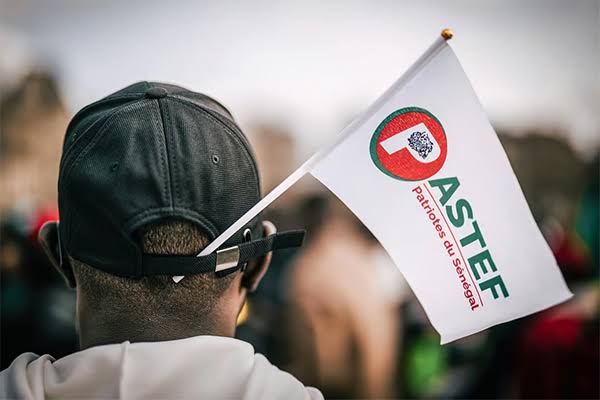
Pastef Sénégal: Blocage Propositions Loi Par Le Gouvernement
Summary
- Senegal's Pastef parliamentary group accuses the government of obstructing its legislative proposals, including bills on prison health and finance laws.
- Pastef demands the abolition of political funds and proposes their replacement with special funds requiring National Assembly approval.
- These proposed special funds would finance sensitive operations like armament and secret missions, aiming to increase parliamentary control and transparency.
- The group alleges the executive uses tactics such as declaring initiatives inadmissible and employing the 'vote bloqué' procedure to hinder legislative progress.
- Despite the challenges, Pastef has affirmed its intention to continue exercising its constitutional legislative prerogatives.
Legislative Standoff in Senegal
Pastef frames this proposed reform as a critical measure to bolster parliamentary control and enhance the transparency surrounding the allocation and utilization of public resources.
The Pastef parliamentary group in Senegal has accused the government of systematically obstructing its proposed legislative initiatives, creating a significant political impasse. This alleged governmental resistance, which Pastef characterizes as a strategy of obstruction and delay, specifically targets bills concerning critical areas such as health conditions in correctional facilities and the nation's finance laws. The group asserts that the executive branch employs various tactics, including deeming certain legislative proposals inadmissible and utilizing the 'vote bloqué' procedure, to impede the progress of these bills through the National Assembly.
This ongoing conflict highlights a deep division over the legislative process, with Pastef strongly criticizing what it perceives as a fundamental disconnect between the executive's stated commitments and its actual practices. The group has used pointed language, referring to the current administration as a 'gouvernement renié' (denied government) and a 'gouvernement renégat' (renegade government), underscoring the severity of the perceived betrayal of public trust. Despite these significant challenges and the alleged Pastef blocage propositions loi Sénégal, the parliamentary group has affirmed its unwavering commitment to continue exercising its constitutional prerogatives, particularly its role in proposing and voting on laws, as reported by 24heureinfo.
Proposed Reforms to Public Finance Management
Central to Pastef's legislative agenda is a demand for the complete abolition of existing political funds, which the group views as opaque and lacking sufficient oversight. In their place, Pastef proposes the establishment of new special funds that would be explicitly subject to a vote and approval by the National Assembly. This Pastef réforme fonds spéciaux is presented as a crucial step towards greater accountability in the management of public finances.
These proposed special funds would be designated for financing highly sensitive government operations, including certain armament acquisitions and classified missions. By requiring parliamentary approval for such expenditures, Pastef aims to align current practices with the commitments outlined in its program regarding the transparent gestion fonds publics Sénégal. Pastef frames this proposed reform as a critical measure to bolster parliamentary control and enhance the transparency surrounding the allocation and utilization of public resources.
Implications for Parliamentary Oversight and Transparency
The debate surrounding the organic law on finance laws serves as a key battleground for these proposed reforms, with Pastef emphasizing the need for robust contrôle parlementaire Sénégal. The group's insistence on parliamentary approval for special funds directly challenges the executive's current discretion over certain financial allocations, aiming to bring more governmental spending under the direct purview of elected representatives. This move is designed to prevent the executive from circumventing legislative scrutiny, particularly concerning funds that might otherwise operate with minimal public accountability.
This legislative deadlock is not an isolated incident. A previous instance of friction occurred on August 15, 2026, when the National Assembly, at that time dominated by Pastef, rejected six amendments proposed by the executive regarding special credits during a separate debate. This historical context underscores the ongoing struggle for power and oversight between the legislative and executive branches, particularly concerning financial matters and the implementation of the loi organique lois de finances Sénégal. The current accusations of obstruction by the government against Pastef's legislative efforts further highlight the deep-seated tensions over transparency and accountability in public spending.
Practical Implications
Lawyers and compliance officers in Senegal should closely monitor the legislative deadlock between Pastef and the government, especially regarding proposed reforms to public finance management and the debate over political funds. This political tension signals potential future changes in parliamentary oversight and transparency requirements for government spending, which could impact compliance obligations and the legal framework for public sector engagements.
Source
How does this affect you?
Get an AI analysis of this article grounded in your jurisdictions, practice areas, and any policy documents you've uploaded to Wansom.
Finish Reading the Full Story and the Expert Analysis.
Wansom is AI and can make mistakes.