
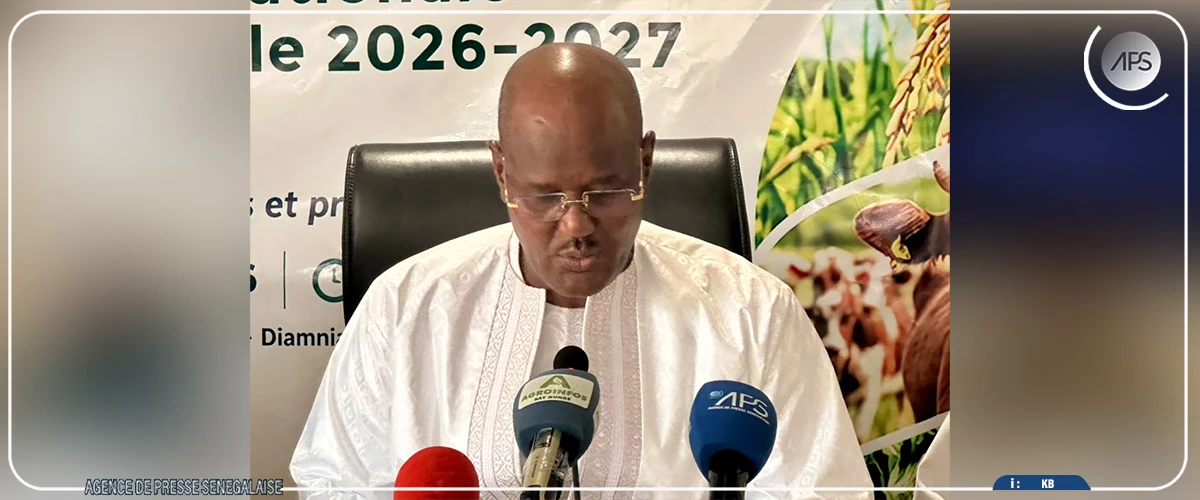
Agriculture Minister Reports Satisfactory 2026-2027 Campaign Amidst Challenges
In October 2023, Cheikhou Oumar Ba, Senegal's Minister of Agriculture, Food Sovereignty, and Livestock, presented a "relatively satisfactory" assessment of the 2026-2027 agricultural campaign, noting significant rainfall disparities, localized losses, and persistent challenges related to water, mechanization, and commercialization.
This ministerial statement, while an assessment of past performance, holds substantial implications for future agricultural policy, investment strategies, and regulatory frameworks within Senegal. The identified challenges—specifically concerning water management, agricultural mechanization, and market commercialization—directly point to areas where legislative or regulatory interventions are highly probable. Such interventions could impact land use policies, water rights, the allocation of agricultural subsidies, and market regulations governing the sale and distribution of produce. For businesses operating within the agricultural sector, this assessment signals potential shifts in government support, changes in import/export policies, and the direction of infrastructure development, all of which will have legal and operational consequences.
The agricultural sector in Senegal is governed by a complex web of laws and regulations, including those pertaining to land tenure, such as the National Domain Law, water resource management under the Water Code, and various statutes related to agricultural cooperatives, food safety, and trade. The Minister's report serves as a high-level overview that will undoubtedly inform the drafting of future amendments to existing legislation or the creation of new laws designed to address the identified disparities and challenges. While the excerpt does not report any immediate legal changes, the assessment itself is a critical precursor to policy decisions that will carry significant legal ramifications. The key parties involved are primarily Cheikhou Oumar Ba and the Senegalese government, with the impact extending to farmers, agricultural businesses, and consumers.
Legal professionals advising clients in the agricultural sector, including agribusinesses, investors, and landholders, must pay close attention to upcoming policy announcements, legislative proposals, and regulatory changes that will inevitably stem from this ministerial assessment. This includes diligently monitoring developments in water resource management, potential land reform initiatives, changes in agricultural subsidy programs, and evolving trade policies. A proactive understanding of these potential shifts will be crucial for strategic business planning, comprehensive risk assessment, and ensuring ongoing compliance within Senegal's dynamic agricultural landscape. Practitioners should advise clients to prepare for potential adjustments in operational practices and investment strategies to align with the government's evolving priorities.
How does this affect you?
Get an AI analysis of this article grounded in your jurisdictions, practice areas, and any policy documents you've uploaded to Wansom.
Finish Reading the Full Story and the Expert Analysis.
Get the latest legal & regulatory intelligence in Senegal
Wansom is AI and can make mistakes.