
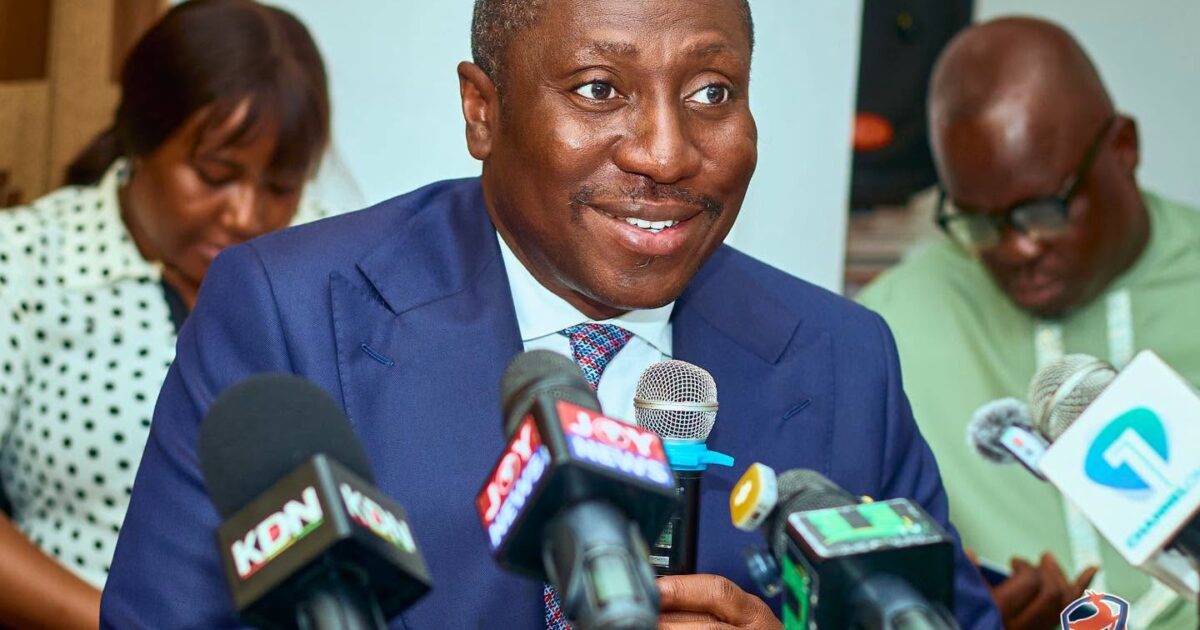
Afenyo-Markin: GoldBod Regulatory Void Fuels Galamsey Concerns
Summary
- Minority Leader Alexander Afenyo-Markin has raised concerns about the Ghana Gold Board's structure.
- He argues GoldBod's current system does not distinguish between legally mined gold and galamsey gold.
- This lack of distinction incentivizes illegal mining and undermines efforts to formalize the gold sector.
- Afenyo-Markin warned of severe environmental consequences, including Atewa Forest degradation and Ghana water contamination.
- He called for stronger oversight of gold trading and aggregation to combat illicit practices.
Mounting Concerns Over GoldBod's Role in Illegal Mining
The absence of a clear legal distinction within GoldBod's regulations between gold sourced from legitimate mining operations and that obtained through illicit means creates an environment where illegal mining thrives.
Minority Leader Alexander Afenyo-Markin has voiced significant apprehension regarding the operational framework of the Ghana Gold Board (GoldBod), asserting that its current structure inadvertently fuels illegal mining activities, commonly known as galamsey. Speaking at a recent meeting with the Christian Council, Mr. Afenyo-Markin highlighted a critical deficiency: the absence of a clear legal distinction within GoldBod's regulations between gold sourced from legitimate mining operations and that obtained through illicit means. This regulatory void, he argued, creates an environment where illegal mining thrives, as there is no mechanism to differentiate the origin of the precious metal.
The Minority Leader specifically questioned the oversight mechanisms governing gold aggregators, who act as intermediaries in the gold supply chain. He pointed out that GoldBod appears to purchase all gold presented by these aggregators without requiring proof of legal provenance. This practice, according to Mr. Afenyo-Markin, effectively legitimizes gold from any source, including galamsey operations, thereby encouraging the very activities the nation seeks to eradicate. He emphasized the widespread nature of illegal mining, stating that it has become an uncontrollable issue across the country.
Regulatory Framework Deficiencies and Environmental Fallout
Afenyo-Markin's critique extends to the broader regulatory framework surrounding the Ghana Gold Board and gold aggregators, which he believes lacks the necessary provisions to curb illegal mining. He underscored that without specific regulations guiding aggregators and mandating a clear legal distinction between different types of gold, the system inherently incentivizes galamsey. This regulatory gap not only undermines efforts to formalize the gold sector but also exacerbates the severe environmental degradation plaguing Ghana.
The environmental consequences of unchecked illegal mining were a central theme of his address. Mr. Afenyo-Markin issued a stark warning about the potential loss of vital natural resources, specifically citing the Atewa Forest as an area under imminent threat of further degradation if robust measures are not implemented. Furthermore, he drew attention to the escalating crisis of Ghana water contamination, noting that the cost of treating polluted water has surged. Drawing on his experience as a former chairman of the Ghana Water Limited Board, he revealed that the extent of contamination in water bodies is so severe that some treatment plants are now unable to function effectively.
Call for Enhanced Oversight to Combat Illicit Gold Trade
The Minority Leader's remarks, made on October 7, 2026, culminated in a strong appeal for enhanced oversight within Ghana's gold trading and aggregation sectors. He stressed the imperative of ensuring that any initiatives aimed at formalizing the gold industry do not inadvertently compromise the broader national campaign against illegal mining. The current operational model, where GoldBod does not differentiate between legally mined and galamsey gold, risks undermining the very objectives of sustainable resource management and environmental protection.
Afenyo-Markin's concerns highlight a critical challenge for Ghana: how to integrate its gold resources into the formal economy without providing an avenue for illicitly obtained gold. His intervention serves as a call to action for policymakers to review and strengthen the Ghana Gold Board regulatory framework, particularly concerning the legal distinction of gold and the accountability of gold aggregators. This would involve implementing stricter controls and due diligence processes to prevent galamsey gold from entering the legitimate supply chain, thereby safeguarding both the environment and the integrity of the nation's gold sector.
Practical Implications
Lawyers advising clients in Ghana's gold trading or aggregation sectors should anticipate increased regulatory scrutiny and potential legislative changes aimed at distinguishing legally mined gold from illegal 'galamsey' gold. Compliance officers must review their due diligence processes for gold sourcing to mitigate legal and reputational risks associated with the current regulatory gaps.
Source
How does this affect you?
Get an AI analysis of this article grounded in your jurisdictions, practice areas, and any policy documents you've uploaded to Wansom.
Finish Reading the Full Story and the Expert Analysis.
Get the latest legal & regulatory intelligence in Ghana
Wansom is AI and can make mistakes.