
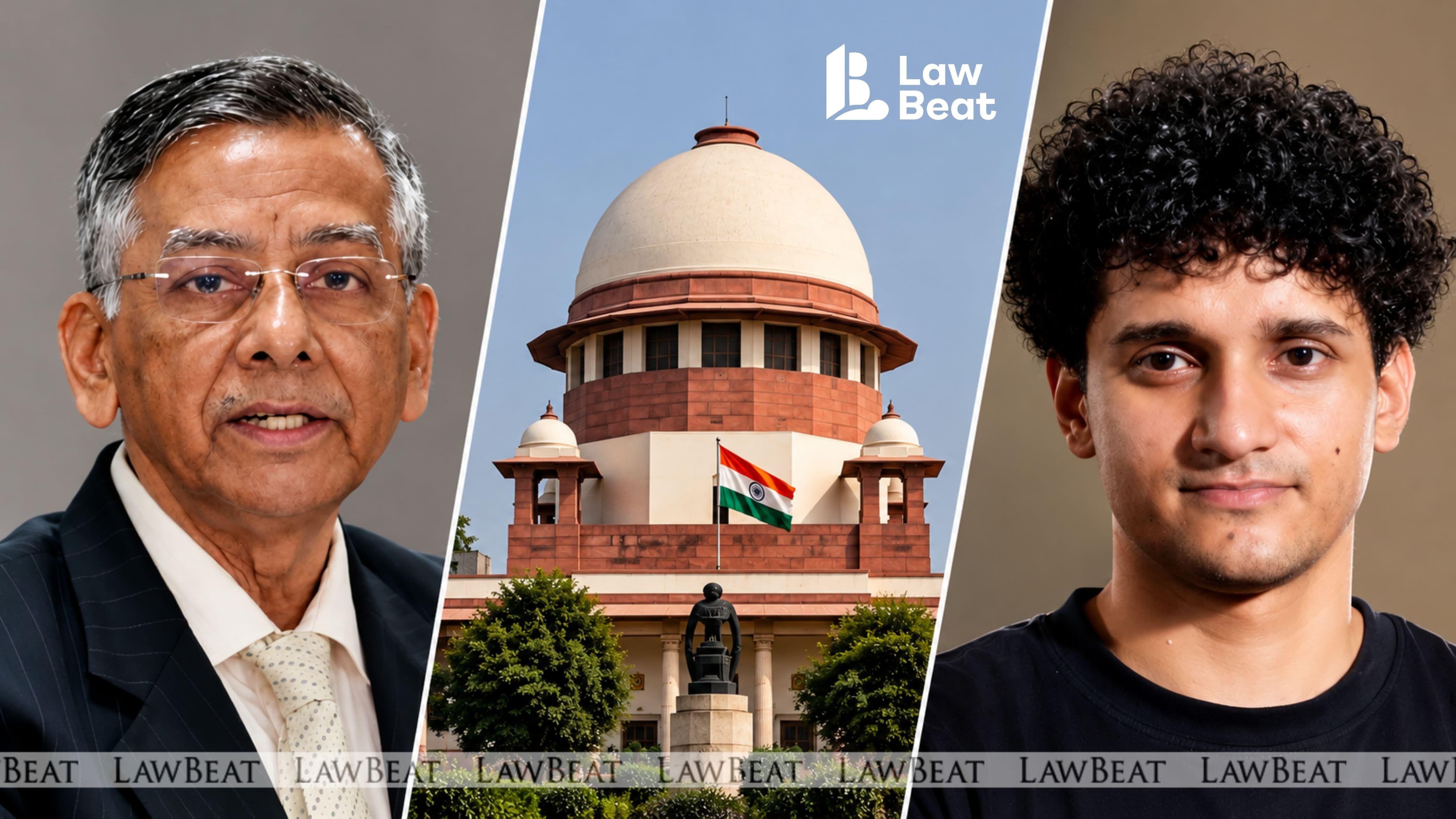
Advocate Seeks AG Consent for Contempt Case Against Saurav Das Over X Post on CJI
On October 5, 2026, Advocate Kaushik Chatterjee, a practitioner before the Supreme Court, formally requested the consent of Attorney General for India R. Venkataramani to initiate criminal contempt proceedings against Saurav Das for an X (formerly Twitter) post published on October 4, 2026, which commented on a Supreme Court Bench.
This development underscores the stringent legal framework governing contempt of court in India, particularly concerning public commentary directed at the judiciary. The requirement for the Attorney General's consent, as stipulated under Section 15(1)(b) of the Contempt of Courts Act, 1971, serves as a critical safeguard. It ensures that only serious and well-founded allegations of criminal contempt proceed, thereby striking a delicate balance between the constitutional right to freedom of speech and the imperative to protect the dignity, authority, and impartiality of the courts. For legal professionals, this incident highlights the significant risks associated with public criticism of judicial proceedings or judges, especially on widely accessible social media platforms, and emphasizes the high threshold for initiating such proceedings.
The legal context for this request is rooted in Section 15(1)(b) of the Contempt of Courts Act, 1971, which mandates the Attorney General's (or Solicitor General's) consent for any private individual to initiate criminal contempt proceedings. Criminal contempt, as defined in Section 2(c) of the Act, encompasses actions that scandalize or tend to scandalize, or lower or tend to lower the authority of, any court; or prejudice or interfere with the due course of any judicial proceeding; or interfere with or obstruct the administration of justice. The specific X post in question, which stated that a particular Supreme Court Bench would hold “absolutely ZERO CREDIBILITY” before hearing listed petitions, is alleged to fall within these definitions, potentially by scandalizing the court or interfering with the judicial process. The Supreme Court Bench comprised Chief Justice of India Surya Kant, Justice Joymalya Bagchi, and Justice V. Mohana.
The key parties involved are Advocate Kaushik Chatterjee, who sought the consent; Saurav Das (@SauravDassss), the individual against whom the contempt proceedings are sought; and Attorney General for India R. Venkataramani, whose consent is a prerequisite for initiating the action. The Supreme Court Bench, specifically Chief Justice of India Surya Kant, Justice Joymalya Bagchi, and Justice V. Mohana, was the subject of the alleged contemptuous post. The listed petitions mentioned in the context of the post were Rakesh Kumar Singh v. Union of India & Ors. and Shailendra Mani Tripathi v. Union of India & Ors.
Practitioners and legal professionals must exercise extreme caution and diligence when commenting on ongoing judicial proceedings or the conduct of judges, particularly on public platforms such as social media. The Attorney General's decision to grant or deny consent in this specific matter will undoubtedly establish an important precedent regarding the evolving boundaries between freedom of speech and the law of contempt in the digital era. Attorneys should proactively advise clients, especially those engaged in public discourse or media, about the potential legal ramifications of critical remarks directed at the judiciary, emphasizing that even perceived slights can lead to serious legal action if deemed to undermine the court's authority. The outcome of the request for consent is not reported in the excerpt.
How does this affect you?
Get an AI analysis of this article grounded in your jurisdictions, practice areas, and any policy documents you've uploaded to Wansom.
Finish Reading the Full Story and the Expert Analysis.
Get the latest legal & regulatory intelligence in India
Wansom is AI and can make mistakes.