
ADHA Senegal: Calls For Migration Parliamentary Inquiry Into Governance
Summary
- Action pour les Droits Humains et l’Amitié (ADHA), led by Adama Mbengue, is seeking a parliamentary inquiry into Senegal's migration governance from 2006 to the present.
- The proposed inquiry aims to scrutinize migration agreements, funding, national strategies, and operational structures.
- ADHA questions the effectiveness of socio-economic support programs and demands financial and operational assessments of past commitments, including a €30 million flexible mechanism.
- The call for inquiry comes amidst rising irregular migration to Spain, with 32,942 arrivals by October 31, an 8.9% increase year-on-year, and significant cooperation efforts with Spain.
- The organization emphasizes that merely preventing departures does not address the fundamental reasons compelling individuals to undertake perilous journeys.
Call for Parliamentary Scrutiny
This development signals potential future parliamentary scrutiny and investigation into Senegal's migration governance, including international agreements and funding.
Action pour les Droits Humains et l’Amitié (ADHA), a prominent human rights organization led by Adama Mbengue, has announced its intention to petition Senegal's National Assembly. The organization seeks to initiate an ADHA Senegal migration parliamentary inquiry, aiming for a comprehensive review of the nation's migration governance spanning from 2006 to the present day. This significant move underscores a growing demand for transparency and accountability in how Senegal manages its migration policies and international engagements.
Questioning Program Effectiveness and Financial Transparency
Beyond the overarching governance framework, ADHA has raised pointed questions regarding the tangible outcomes of existing socio-economic support programs designed to address migration. The organization seeks concrete data on the number of individuals who have secured sustainable employment through these initiatives, as well as an assessment of how many funded projects have demonstrated long-term viability. This scrutiny highlights concerns about the practical impact and sustainability of current interventions.
Furthermore, the human rights group is demanding a detailed financial and operational assessment of past commitments. This includes a review of previously announced recruitment drives and a specific accounting for the flexible mechanism valued at €30 million. The call for such detailed evaluations suggests a belief that previous efforts may not have yielded the expected results or that their implementation lacks sufficient transparency.
Migration Trends and International Cooperation
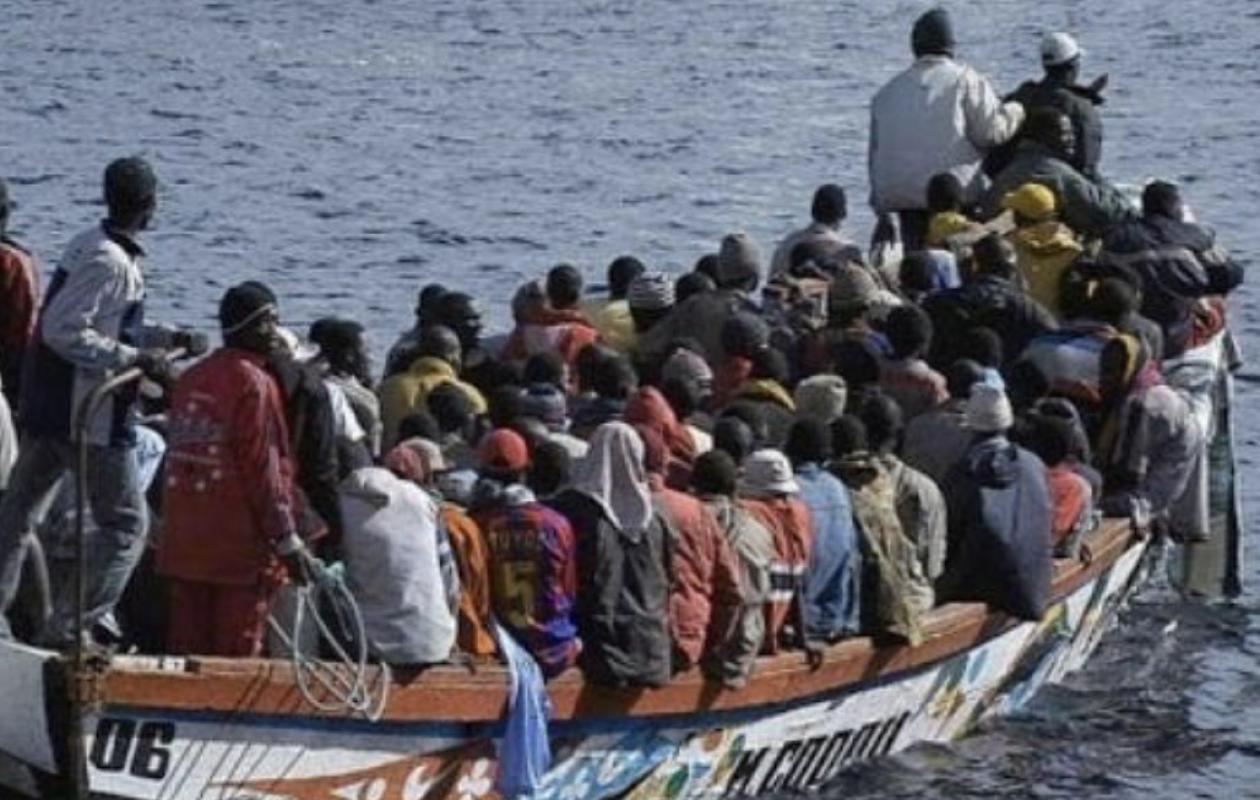
The push for this parliamentary inquiry occurs against a backdrop of significant migration trends, particularly concerning irregular migration Senegal. Data indicates a notable increase in irregular arrivals to Spain, reaching 32,942 individuals by October 31, representing an 8.9% rise compared to the previous year. The Canary Islands, a frequent destination, recorded 6,194 arrivals in October alone. These figures underscore the persistent challenges associated with managing migration flows.
In this context, the inquiry would also examine specific migration accords Sénégal Espagne. Cooperation between the two nations has involved substantial resources, including a €500,000 allocation to the Senegalese National Navy, the deployment of 40 Spanish agents, and the training of over 300 Senegalese police and gendarmes. The parliamentary review would likely assess the effectiveness and impact of these collaborative efforts. Notably, on October 28, 2026, nearly 1,000 migrants, including individuals from Senegal, Gambia, and Mali, arrived in the Canary Islands after extended sea journeys, further illustrating the ongoing nature of these complex movements.
Broader Implications for Migration Governance
The Action pour les Droits Humains et l’Amitié articulates a core philosophy: while preventing a vessel from departing can avert a tragedy, it does not eliminate the underlying motivations that compel individuals to embark on perilous sea voyages. This perspective frames the proposed ADHA Senegal migration parliamentary inquiry as a crucial step toward understanding and addressing the root causes of irregular migration, rather than solely focusing on interdiction.
This development signals potential future parliamentary scrutiny and investigation into Senegal's migration governance, including international agreements and funding. For legal professionals and entities involved in migration, human rights advocacy, or international cooperation, monitoring this inquiry will be essential. Its findings could lead to significant policy shifts, regulatory changes, or even new legal challenges, influencing the landscape of migration management in Senegal and its partnerships with international bodies.
Practical Implications
This development signals potential future parliamentary scrutiny and investigation into Senegal's migration governance, including international agreements and funding. Lawyers advising entities involved in migration, human rights, or international cooperation should monitor this inquiry for potential regulatory changes, policy shifts, or legal challenges arising from its findings.
Source
Source: Original reporting via Seneweb
How does this affect you?
Get an AI analysis of this article grounded in your jurisdictions, practice areas, and any policy documents you've uploaded to Wansom.
Finish Reading the Full Story and the Expert Analysis.
Get the latest legal & regulatory intelligence in Senegal
Wansom is AI and can make mistakes.