
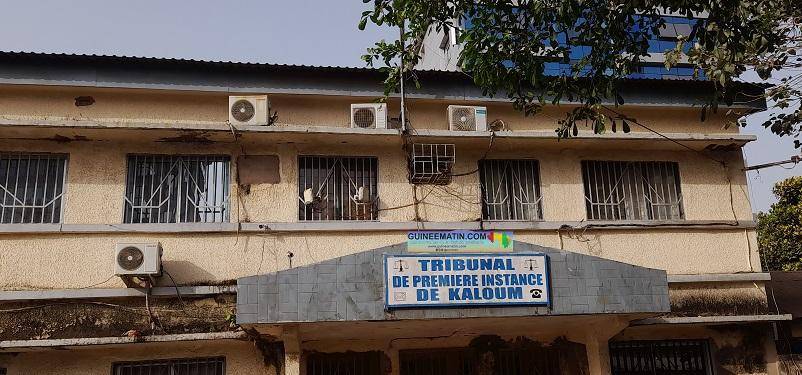
Abdourahmane Bah Faux Billets Conakry: Admits Receiving Counterfeit Money
Summary
- Abdourahmane Bah, a 44-year-old Sierra Leonean, appeared before the Kaloum Court of First Instance in Conakry on November 19, 2026.
- He faces charges for putting counterfeit banknotes into circulation within the Guinean capital.
- Mr. Bah admitted to the facts but claimed he received the fake money as salary.
- The case highlights Guinea's strict laws against financial crimes and the circulation of counterfeit currency.
- The trial underscores the importance of vigilance against financial fraud to maintain economic stability.
Court Appearance in Conakry
The integrity of a nation's currency is paramount for economic stability and public confidence, making the prosecution of counterfeiters a critical component of national security and economic policy.
Abdourahmane Bah, a 44-year-old national of Sierra Leone, recently faced legal proceedings in Conakry, Guinea. On Thursday, November 19, 2026, Mr. Bah appeared before the Tribunal de première instance de Kaloum, commonly known as the Kaloum Court of First Instance, to answer charges concerning the circulation of counterfeit banknotes within the Guinean capital.
During his appearance, Mr. Bah acknowledged the accusations leveled against him. However, he presented a defense, asserting that the illicit currency in question was not intentionally acquired or produced by him, but rather received as payment for his labor. He stated that he had accepted the money as his salary, implying a lack of knowledge regarding its fraudulent nature at the time of receipt. This admission of facts, coupled with his explanation, forms the core of the `procès faux monnaie Guinée` which is currently awaiting the court's decision.
The case centers on the alleged `circulation faux billets Conakry`, a serious offense under Guinean law. The `Abdourahmane Bah faux billets Conakry` trial highlights the ongoing efforts by authorities to combat financial fraud and maintain the integrity of the national currency. The `Tribunal Kaloum faux billets` hearing has concluded, and the court is set to render its decision on November 23, 2026, regarding how the counterfeit money came into Mr. Bah's possession and whether his explanation holds legal weight.
Legal Framework for Counterfeit Currency
The legal framework governing `droit pénal faux monnaie Guinée` is stringent, reflecting the severe economic and social consequences associated with the proliferation of fake currency. Offenses related to the production, possession, or circulation of counterfeit money are treated with utmost seriousness, as they can undermine public trust in the financial system and destabilize the economy. Individuals found guilty of such crimes face significant penalties, which can include lengthy prison sentences and substantial fines.
This `Sierra Leonean counterfeit trial Guinea` underscores the cross-border nature of financial crimes and the vigilance required by law enforcement agencies. The Guinean legal system aims to deter both domestic and international actors from engaging in activities that threaten its monetary stability. The court's proceedings will meticulously examine the evidence to determine the extent of Mr. Bah's involvement and culpability, considering both the act of circulation and his defense regarding the origin of the funds.
Implications for Financial Integrity
The case involving Abdourahmane Bah and the `faux billets Conakry` serves as a stark reminder of the continuous battle against financial malfeasance in Guinea. The integrity of a nation's currency is paramount for economic stability and public confidence, making the prosecution of counterfeiters a critical component of national security and economic policy. Such trials send a clear message that authorities are committed to upholding the law and protecting citizens from financial fraud.
For individuals and businesses operating in cash-intensive environments, this case highlights the imperative of exercising due diligence when handling currency. The defense presented by Mr. Bah—that he received the counterfeit money as salary—underscores a common vulnerability that can inadvertently lead individuals into legal trouble. It emphasizes the need for awareness and caution, as ignorance of the counterfeit nature of money may not always serve as a complete defense against charges of circulation.
Practical Implications
This case highlights the ongoing enforcement against financial crimes in Guinea, specifically the circulation of counterfeit currency. Lawyers should advise clients, particularly those involved in cash-intensive businesses or international transactions, on the severe penalties for such offenses and the critical importance of due diligence to identify and report suspicious currency to avoid criminal liability.
Source
How does this affect you?
Get an AI analysis of this article grounded in your jurisdictions, practice areas, and any policy documents you've uploaded to Wansom.
Finish Reading the Full Story and the Expert Analysis.
Get the latest legal & regulatory intelligence in Guinea
Wansom is AI and can make mistakes.