
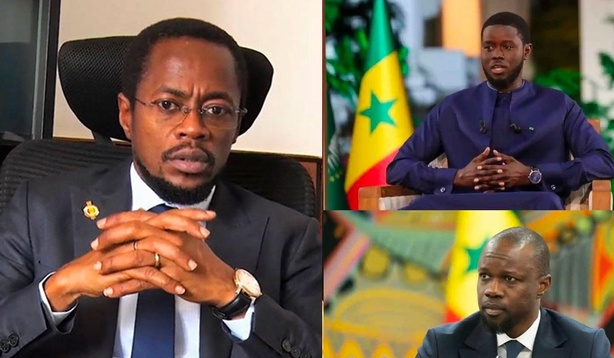
Abdou Mbow: Rejet LFR 2026 Lié au Naufrage de Lompoul au Sénégal
Summary
- Deputy Abdou Mbow linked the Lompoul shipwreck to political tensions between the executive and parliamentary majority, accusing rivalries of distracting leaders from youth issues.
- Mbow criticized the rejection of the 2026 Rectified Finance Bill (LFR), alleging it was dismissed without debate due to political motives.
- He connected irregular migration to economic and social problems like unemployment, high living costs, and lack of internships, stating many young people see no future in Senegal.
- The shipwreck involved a pirogue from Saint-Louis heading to the Canary Islands, capsizing off Lompoul and Tébène 2 due to strong swells and material damage.
- Mbow held the State, government, and National Assembly responsible for the crisis, also criticizing the official response to the tragedy for not adequately supporting bereaved families.
The Lompoul Tragedy and Political Fallout
He contended that ongoing rivalries between the executive branch and the parliamentary majority are diverting leaders' attention from the critical challenges facing the nation's youth.
Following a tragic shipwreck off the coast of Lompoul, Senegalese Deputy Abdou Mbow has publicly attributed the incident to underlying political tensions within the government. In a statement released on Sunday, November 8, 2026, Mbow, representing Takku Wallu Sénégal, contended that ongoing rivalries between the executive branch and the parliamentary majority are diverting leaders' attention from the critical challenges facing the nation's youth.
The maritime disaster involved a pirogue that had set sail from Saint-Louis with the Canary Islands as its intended destination. The vessel encountered severe swells and suffered mechanical failures, ultimately leading to its capsizing in the waters near Lompoul and Tébène 2. The bodies recovered from these two locations were confirmed to be passengers from the same ill-fated boat.
Mbow's critique extended specifically to the rejection of the 2026 Rectified Finance Bill (Loi de Finances Rectificative 2026), a decision he claims parliamentarians made without proper debate. According to reports from the Exclusif website, the deputy suggested that the bill's dismissal was influenced by directives, retaliatory motives, or strategic calculations, rather than substantive deliberation.
Intertwined Crises: Migration, Economy, and Governance
The parliamentarian drew a direct connection between the increasing number of clandestine departures, or irregular migration, and the prevailing economic and social hardships in Senegal. He highlighted several key issues contributing to this crisis, including widespread unemployment, the escalating cost of living, and significant difficulties young people face in securing internships. These factors, Mbow asserted, have led many young Senegalese to believe there is no viable future for them within their own country.
This perspective underscores a broader crisis impacting the youth of Senegal, where economic stagnation and limited opportunities fuel a desperate search for alternatives abroad. The rejection of the Loi de Finances Rectificative 2026, in Mbow's view, exemplifies a political system that is failing to address these deep-seated societal problems effectively. He argues that such political maneuvering distracts from the urgent need for comprehensive solutions to the nation's youth crisis.
Calls for Accountability Amidst a National Challenge
Abdou Mbow did not limit his criticism to the legislative process, also questioning the official response to the Lompoul tragedy. He expressed disapproval of the condolences offered to the bereaved families and the announced visit by the Minister of Interior. Mbow contended that the authorities have not provided an adequate or sufficient response to the grieving families, indicating a perceived lack of genuine support or effective action.
In a strong statement, Mbow explicitly assigned responsibility for the ongoing challenges and the tragic outcomes to the State, the government, and the National Assembly. His remarks highlight a demand for greater accountability from these institutions in addressing both the immediate consequences of such disasters and the systemic issues that contribute to them. This sentiment is further underscored by a separate incident in the Dakar region, where the gendarmerie intercepted 142 individuals attempting irregular migration, illustrating the persistent nature of this national challenge.
Practical Implications
This article is a political commentary by a Senegalese deputy on government accountability regarding social issues and irregular migration, linking the rejection of a finance bill to these problems. It does not present a direct, actionable legal implication for lawyers or compliance officers in terms of new regulations, compliance requirements, or specific legal actions to take or watch for.
Source
Source: Original reporting via Exclusif
How does this affect you?
Get an AI analysis of this article grounded in your jurisdictions, practice areas, and any policy documents you've uploaded to Wansom.
Finish Reading the Full Story and the Expert Analysis.
Get the latest legal & regulatory intelligence in Senegal
Wansom is AI and can make mistakes.