
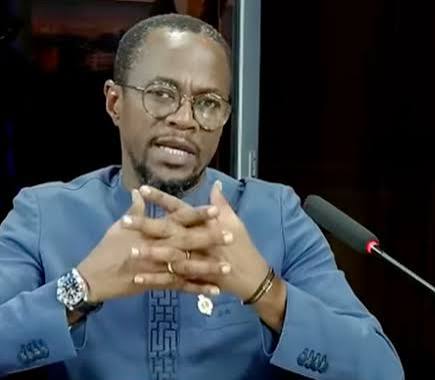
Abdou Mbow: Contests Resolution on Presidential Decree Legality
Summary
- Deputy Abdou Mbow is challenging the legality of a parliamentary resolution aimed at a presidential decree.
- Mbow argues that deputies should have referred the matter to the Constitutional Council or Supreme Court, not used a resolution.
- He contends that a parliamentary resolution alone cannot legally neutralize a presidential decree.
- This dispute is part of ongoing tensions between Mbow and the Pastef majority, marked by previous confrontations in 2026.
- Mbow also criticizes the majority's use of the National Assembly and alleged pressure on state officials.
What Happened
He firmly asserted that such a resolution, by itself, lacks the legal authority to neutralize a presidential decree.
Deputy Abdou Mbow has initiated a significant challenge to the legality of a parliamentary resolution put forth by the majority, which aims to counter a presidential decree. Mbow, a member of the opposition, formally questioned the resolution's foundation, citing Article 83 of the National Assembly's internal regulations. His intervention highlights a fundamental disagreement over the appropriate legal mechanisms for addressing executive actions within the Senegalese legislative framework.
According to Mbow, the proper course of action for deputies seeking to contest a presidential decree would involve referring the matter to either the Constitutional Council or the Supreme Court, rather than relying solely on a parliamentary resolution. He firmly asserted that such a resolution, by itself, lacks the legal authority to neutralize a presidential decree. This current dispute underscores a period of persistent political friction between Abdou Mbow and the Pastef majority, signaling deeper institutional tensions.
Legal and Procedural Arguments
The core of Abdou Mbow's argument centers on the légalité résolution parlementaire Sénégal and the procedural limits of the National Assembly. By invoking Article 83 of the internal regulations, Mbow suggests that the majority's chosen method for contesting the presidential decree is procedurally unsound. His contention is that a parliamentary resolution serves a different purpose and does not possess the judicial power required to invalidate an executive act.
Mbow's insistence that the recours Conseil constitutionnel Sénégal or the Supreme Court should have been pursued points to a critical understanding of the separation of powers. He implies that the legislative body is overstepping its bounds by attempting to directly annul an executive decree through a resolution, a function typically reserved for judicial review. This perspective emphasizes the importance of adhering to established constitutional channels when challenging governmental decisions, particularly those emanating from the presidency.
Broader Political Context and Past Tensions
This latest Abdou Mbow conteste résolution décret présidentiel incident is not isolated, but rather a continuation of a contentious relationship between the deputy and the Pastef majority. Tensions previously escalated on September 30, 2026, following disturbances within the National Assembly. At that time, the Pastef-Les Patriotes parliamentary group publicly refuted the account provided by the APR, accusing Mbow of deliberately provoking incidents during the session, despite repeated warnings from the presiding officer.
Further illustrating this strained dynamic, Pastef also claimed that Mbow had already exhausted his allocated speaking time during the September 2026 session and announced that Ousmane Fall had engaged legal counsel to prepare a formal counter-complaint against him. Another notable confrontation occurred on November 18, 2026, during the review of the initial 2027 finance bill. On that occasion, Mbow launched a renewed attack on the Pastef government, criticizing its management of public finances and the consistency of its policy decisions. The intensity of this exchange even reached the Assembly's presidium, where Ousmane Sonko, President of the National Assembly, admonished certain majority deputies for disregarding clear instructions, stating, "Very clear instructions were given and you violated them."
Institutional Integrity and Future Implications
Beyond the immediate challenge to the decree, Abdou Mbow has also voiced broader concerns regarding the majority's conduct within the legislative body. He explicitly stated that the National Assembly is neither the exclusive property nor the political headquarters of any single party, implying an abuse of institutional power. Furthermore, Mbow has brought to light allegations of undue pressure being exerted by elected officials on state accountants and civil servants, suggesting a potential compromise of administrative neutrality and integrity.
Mbow concluded his remarks by affirming that the minority opposition remains steadfast in its commitment to upholding and respecting republican institutions. This ongoing contestation décret by Abdou Mbow serves as a critical reminder of the checks and balances inherent in a democratic system and highlights the potential for legal and political disputes when the boundaries of legislative and executive powers are perceived to be blurred or overstepped. It underscores the continuous need for clarity in procedural mechanisms and respect for institutional roles in Senegal.
Practical Implications
Lawyers advising on constitutional law or legislative procedure in Senegal should note this challenge to parliamentary action. It underscores the importance of proper procedural mechanisms (e.g., seizing the Constitutional Council) when contesting executive decrees and highlights potential legal disputes regarding the separation of powers and the limits of parliamentary resolutions.
Source
How does this affect you?
Get an AI analysis of this article grounded in your jurisdictions, practice areas, and any policy documents you've uploaded to Wansom.
Finish Reading the Full Story and the Expert Analysis.
Get the latest legal & regulatory intelligence in Senegal
Wansom is AI and can make mistakes.