
Zimbabwe NPAZ: 9,020 SGBV Cases Recorded in 9 Months
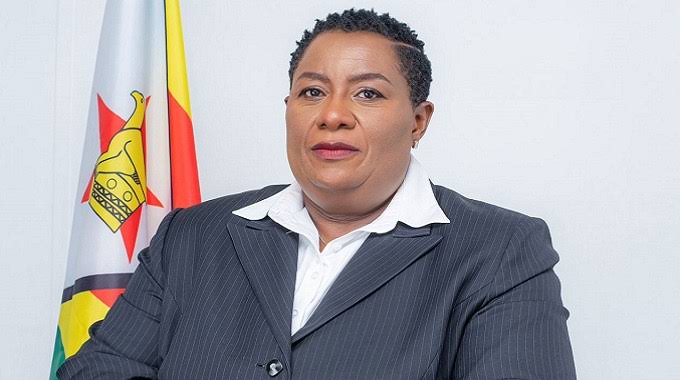
The National Prosecuting Authority of Zimbabwe (NPAZ) received 9,020 sexual and gender-based violence (SGBV) cases in the first nine months of 2026, with 3,678 involving minors and over 2,000 cases still pending, as reported by Prosecutor-General Justice Loyce Matanda-Moyo on November 25, 2026. These statistics, shared during the global 16 Days of Activism Against Gender-Based Violence campaign, reveal an average of approximately 33 SGBV cases reported daily across the country. The high number of cases involving children underscores a particularly vulnerable demographic facing significant threats.
These alarming figures underscore a severe and persistent public health and legal crisis in Zimbabwe, highlighting the pervasive nature of SGBV and the immense caseload burden on the NPAZ and the broader justice system. For legal practitioners, these statistics signify a continued and urgent demand for specialized legal services in criminal prosecution, victim support, and human rights advocacy. The high number of pending cases also points to potential systemic challenges within the prosecutorial and judicial processes, including resource constraints, evidentiary complexities, and the need for expedited handling of sensitive matters, particularly those involving minors. Addressing these backlogs is crucial for ensuring timely justice and deterring future offenses.
Zimbabwe's legal framework addresses SGBV through a combination of statutes, including the Criminal Law (Codification and Reform) Act, which criminalizes various forms of sexual assault and domestic violence, and the Domestic Violence Act, which provides for protection orders and other civil remedies. The Children's Act and other child protection laws are also highly relevant, providing specific protections and procedures for cases involving minor victims. The NPAZ operates under the constitutional mandate to institute and conduct criminal proceedings, and its effectiveness is paramount to upholding the rule of law and ensuring accountability for SGBV perpetrators. The Prosecutor-General, Justice Loyce Matanda-Moyo, plays a critical role in leading these efforts and advocating for justice.
Key parties involved include the National Prosecuting Authority of Zimbabwe (NPAZ) and its leadership, the victims of SGBV (with a significant focus on minors), and the alleged perpetrators. The broader context involves various civil society organizations and international bodies that advocate for an end to gender-based violence, as exemplified by the 16 Days of Activism campaign. The courts, from the Magistrates' Courts to the High Court, are central to adjudicating these cases, while law enforcement agencies are responsible for initial investigations and arrests. The efficacy of the entire justice chain, from reporting to sentencing, is under scrutiny given the volume of cases.
Legal practitioners, particularly those specializing in criminal law, family law, and human rights, should be acutely aware of the high prevalence of SGBV cases and the associated challenges within the Zimbabwean justice system. This data suggests a continued demand for legal aid, victim support services, and specialized expertise in handling sensitive SGBV matters. Attorneys should also monitor legislative and policy developments aimed at strengthening SGBV prevention, prosecution, and victim protection, and consider advocating for reforms to address systemic backlogs and ensure timely justice. Furthermore, understanding the psychological and social impacts of SGBV on victims, especially minors, is crucial for providing compassionate and effective legal representation.
How does this affect you?
Get an AI analysis of this article grounded in your jurisdictions, practice areas, and any policy documents you've uploaded to Wansom.
Finish Reading the Full Story and the Expert Analysis.
Get the latest legal & regulatory intelligence in Zimbabwe
Wansom is AI and can make mistakes.