
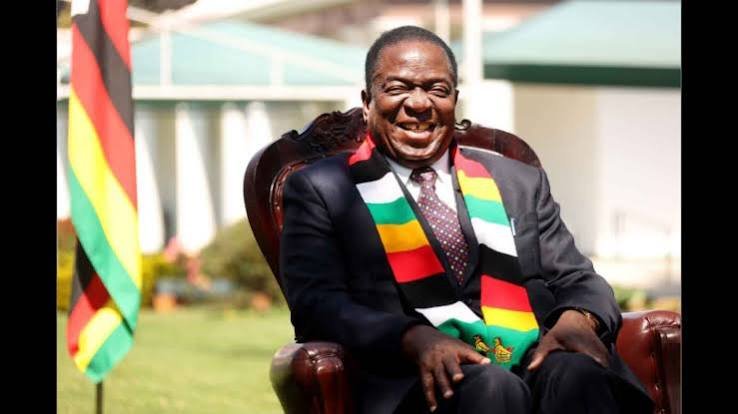
Zimbabwe: Munhumutapa Day Public Holiday Declared September 15
Summary
- President Emmerson Mnangagwa has declared September 15 a new public holiday in Zimbabwe, effective annually.
- Named Munhumutapa Day, the holiday coincides with the President's birthday and was established via Statutory Instrument 148 of 2026.
- The holiday is named after a 15th- to 18th-century empire royal title, a Zanu PF initiative to link the presidency with the historical Mutapa empire.
- This declaration follows suggestions of a monarchical presidency and President Mnangagwa's recent extension of his second term until 2030.
New Public Holiday Declared
For legal professionals and compliance officers in Zimbabwe, this new public holiday necessitates a thorough review and update of operational calendars.
President Emmerson Mnangagwa has officially designated September 15 as a new public holiday in Zimbabwe, effective immediately and for all subsequent years. This newly established observance, known as Munhumutapa Day, holds particular significance as it coincides with the President's own birthday. The declaration was formally enacted through Statutory Instrument 148 of 2026, marking a notable addition to the nation's calendar of official non-working days and requiring nationwide observance.
The legal instrument underpinning this new public holiday is specifically cited as the Public Holidays and Prohibition of Business (Declaration of Public Holiday) Notice, 2026. This formal notice explicitly states that "It is hereby declared that the 15th of September every year henceforth, shall be a public holiday to be known as Munhumutapa Day." This clear directive ensures that the date will be observed annually across all sectors, impacting schedules and operations throughout Zimbabwe.
Legal Framework and Historical Context
The designation of Munhumutapa Day draws its name from a powerful historical legacy, referencing the royal title of a significant empire that flourished in Southern Africa between the 15th and 18th centuries. This initiative is understood to originate from the ruling Zanu PF party, with the explicit aim of forging a symbolic link between President Mnangagwa's current administration and the grandeur of the ancient Mutapa empire. This strategic naming seeks to embed the presidency within a narrative of historical continuity and power.
Prior to its official declaration as a national holiday, September 15 had already held a special, albeit informal, significance within certain political circles. Since 2018, Zanu PF youth wings had consistently celebrated this date, dedicating it to honoring President Mnangagwa's leadership and presidency. The formalization of this observance elevates it from a party-specific event to a nationwide public holiday, mandating its recognition and observance across all public and private entities.
Political Implications and Future Outlook
The establishment of Munhumutapa Day carries notable political undertones, particularly in its effort to imbue the current presidency with historical gravitas by associating it with a revered ancestral empire. This move has not been without broader commentary, with some observers even suggesting it reflects a desire to transition the presidency towards a monarchical system, given the historical context of the Munhumutapa title. Such discussions emerge just months after President Mnangagwa successfully orchestrated an extension of his second term in office, pushing its conclusion from 2028 to 2030, further highlighting the political maneuvering surrounding his tenure.
For legal professionals and compliance officers in Zimbabwe, this new public holiday necessitates a thorough review and update of operational calendars. The consistent observance of September 15 as Munhumutapa Day will directly impact business operations, employment contracts, and critical legal deadlines annually. Advising clients on these adjustments, particularly concerning the implications for September 15 each year, becomes a crucial aspect of legal and corporate compliance in the wake of this declaration, ensuring adherence to the new national observance.
Practical Implications
Lawyers and compliance officers in Zimbabwe must update their operational calendars and advise clients on the impact of this new public holiday on business operations, employment contracts, and legal deadlines, particularly concerning September 15th each year.
Source
How does this affect you?
Get an AI analysis of this article grounded in your jurisdictions, practice areas, and any policy documents you've uploaded to Wansom.
Finish Reading the Full Story and the Expert Analysis.
Wansom is AI and can make mistakes.