
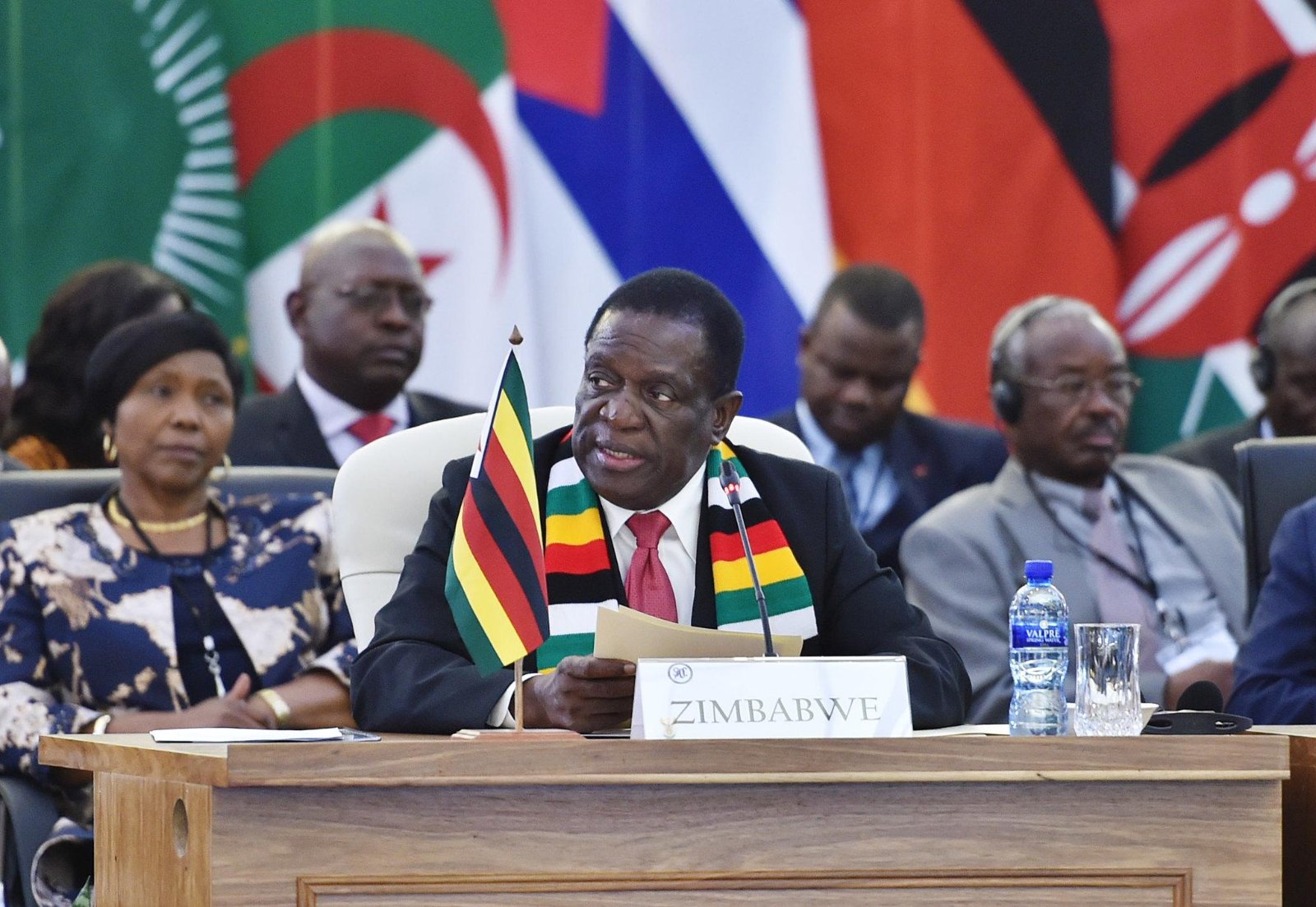
Zimbabwe Government Scraps 291 Business Fees and Licences to Boost Investment
The Zimbabwe Government has fully implemented 291 regulatory reforms, eliminating and reducing a massive array of business licenses, permits, and fees. The Cabinet confirmed the cuts across 13 priority economic sectors during a September 2026 review. This sweeping initiative directly lowers the cost of doing business and removes major administrative bottlenecks for commercial operators.
Government ministries utilized new Statutory Instruments to legally enforce these cost reductions. The state officially scrapped authorization fees for livestock movement, registration certificates for fuel storage, and trading licenses for fish vendors. Authorities identified these specific charges as unnecessary financial burdens that actively discouraged private investment.
The Reform Timeline
This aggressive reduction of regulatory red tape follows a year-long governmental review of corporate compliance costs. Business owners and compliance experts should track this implementation sequence:
August 2025 to August 2026: The government initiates a comprehensive review and subsequent "mop-up" exercise to identify overlapping levies across the economy.
Early 2026: Statutory Instrument 41 caps municipal business licenses at US$500 and standardizes local authority charges.
September 8, 2026: The Cabinet officially reports that 291 targeted fee reductions are now legally operational.
major licenses, permits, levies, and fees that have been officially Affected,
Agriculture and Livestock
Livestock Movement Clearance Fees: Completely removed.
Cattle Levies: Completely removed.
Fish Monger Trading Licenses: Completely removed.
Crop Contractor Registration (AMA): Slashed from US$1,000 to US$250.
Agricultural Trader Registration: Slashed from US$1,000 to US$100.
Pesticide Registration: Reduced from US$300 to US$150.
Effluent Discharge Charge: Halved from US$27,000 to US$13,500.
Manufacturing and Industry
Fuel Storage Registration Certificates: Completely removed.
Timber Transportation Permits: Rural district council permits have been abolished entirely.
Import License Fees (Ministry of Industry): Reduced from US$100 to US$50 for most goods.
Boiler Registration (NSSA): Now capped at a maximum of US$500.
Factory Approval and Licensing: Local authority factory plan and license charges cut by 50%.
Health and Pharmaceuticals
Pharmacy Licenses (MCAZ): Medicines Control Authority of Zimbabwe pharmacy license fees have been completely removed.
Wholesale Licenses: Health Professions Authority licenses for pharmaceutical and manufacturing wholesalers are abolished.
Professional Practicing Fees: Registration and licensing fees for doctors, nurses, pharmacists, and laboratory scientists have been reduced.
Hospital and Lab Fees: General licensing fees reduced by 20% to 30%.
Finance and Corporate Services
Central Bank Supervision: Reserve Bank of Zimbabwe charges reduced to 0.007% of assets (capped at US$40,000).
Rural Banking Licenses: Licensing fees for Agricultural Lending Development Agency rural branches removed entirely.
Securities Registration: Securities and Exchange Commission (SECZ) registration and licensing fees cut by 50%.
Construction and Real Estate
Contractor Registration: Standardized nationwide at a flat US$20.
Certificate of Occupation: Fees cut by 50%.
Environmental Impact Assessments (EIA): Specific EIA requirements previously imposed independently by local councils have been removed.
Rethinking Ease of Doing Business
The removal of these charges prompts a critical question: does this action represent a fundamental change in governmental philosophy, or is it merely a temporary clean-up exercise? While reforms are frequently announced, the practical experience for those attempting to establish a small business often remains one of delays and administrative bottlenecks, such as waiting for a simple stamp. True 'ease of doing business' is experienced tangibly at various touchpoints, including council offices, ZIMRA, banks, borders, and shop counters, rather than through official speeches or presentations.
This broad ZIMRA charge removal and other fee reductions indicate that the problem extended far beyond a handful of problematic fees. The state has developed a proficiency in identifying numerous avenues for imposing charges, simultaneously making it difficult for individuals and businesses to achieve the productivity levels necessary to afford these very charges. This creates a self-defeating cycle where the government desires formal businesses for tax revenue, yet makes formality so expensive that businesses either remain informal or fail to launch, leading to further complaints about informality and the creation of more charges.
Implications for Investment and Economic Activity
The current regulatory shift could significantly impact business formalisation strategies and investment decisions in Zimbabwe. The government's success should ideally be measured by the ease with which ordinary citizens can generate economic activity, rather than by its capacity to extract revenue from it. The recognition that Zimbabwe is an expensive place to operate, a reality long understood by its citizens, underscores the necessity of these reforms.
While the reduction of 291 charges is a welcome step, it also highlights the systemic nature of the issue. The need for a less expensive state is not merely because the government has recently acknowledged the high costs, but because ordinary Zimbabweans have long struggled under the weight of an expensive and complex regulatory framework. This move could signal a broader commitment to Zimbabwe ease of doing business reforms, potentially fostering a more conducive environment for economic growth and investment.
Source
How does this affect you?
Get an AI analysis of this article grounded in your jurisdictions, practice areas, and any policy documents you've uploaded to Wansom.
Finish Reading the Full Story and the Expert Analysis.
Get the latest legal & regulatory intelligence in Zimbabwe
Wansom is AI and can make mistakes.