
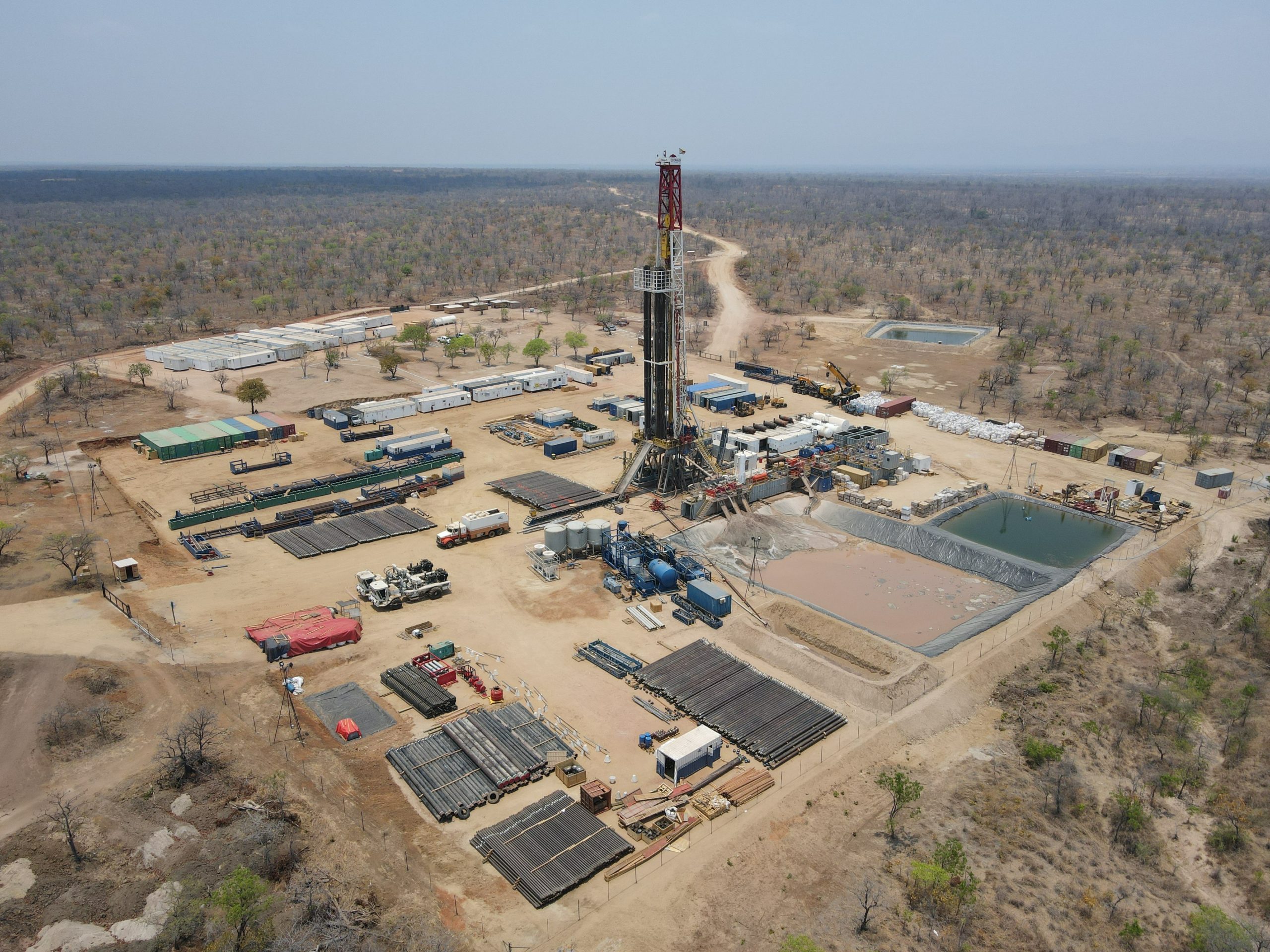
Zimbabwe Gazettes Cabora Bassa PPSA: Formalizes Oil Deal Legal Framework
Summary
- Zimbabwe has formally gazetted the Petroleum Production Sharing Agreement (PPSA) for the Cabora Bassa project, making it law.
- The PPSA establishes the legal, tax, and commercial framework for the entire project life, protecting Invictus Energy's investment.
- This agreement provides regulatory and fiduciary certainty, crucial for attracting strategic and financing partners.
- Invictus Energy confirmed a working petroleum system in the Cabora Bassa basin, with significant gas and condensate estimates.
- Successful appraisal and further exploration could lead to Zimbabwe's first commercial oil and gas development.
What Happened
The PPSA delivers what is known in the industry as regulatory and fiduciary certainty, referring to a clear, stable, and predictable set of rules and guidelines that are indispensable for financial institutions and major energy partners before they commit significant funding.
Zimbabwe has formally published the Petroleum Production Sharing Agreement (PPSA) for the Cabora Bassa project, elevating it to the status of law. This crucial step finalizes the official requirements for the arrangement involving the Zimbabwean government, Invictus Energy, an Australian Stock Exchange-listed entity acting as the operator, and its subsidiary, Geo Associates, which holds the license for the project. The PPSA serves as the foundational contract between the government and the company, outlining the entire legal, fiscal, and commercial framework that will govern the project from its initial exploration phases through appraisal, development, and ultimately, production.
This formal gazetting is a pivotal moment, enabling the project to advance beyond the exploratory search for hydrocarbons into the actual extraction and sale of petroleum resources. Invictus Energy previously conducted initial exploratory drilling, known as wildcat wells, at the Mukuyu-1 and Mukuyu-2 sites. These efforts successfully confirmed the presence of a viable petroleum system within the Cabora Bassa basin. The company currently estimates a total resource base across its portfolio of approximately 4.2 trillion cubic feet of gas and 264 million barrels of condensate, calculated on a gross mean unrisked basis, with broader basin estimates suggesting even higher potential.
Following these significant findings, Invictus Energy is now engaged in the appraisal phase of the project. This stage is dedicated to accurately assessing the size of the discovered resource, determining its commercial viability, and quantifying the volume of reserves that can be economically recovered. Concurrently, the company is preparing to commence further exploration drilling at a new target within the same basin, designated Musuma-1, which is projected to contain about 1.2 trillion cubic feet of gas and 73 million barrels of condensate.
Legal Framework and Certainty
The gazetted Petroleum Production Sharing Agreement (PPSA) for the Cabora Bassa project is more than just a contract; it establishes a comprehensive legal and regulatory environment essential for large-scale energy investments. A primary function of this agreement is to safeguard Invictus Energy against potential future legislative or tax regime alterations that could adversely impact its substantial investment in the country. This provision is critical for long-term projects that require immense capital and span many years.
Moreover, the PPSA delivers what is known in the industry as regulatory and fiduciary certainty. This refers to a clear, stable, and predictable set of rules and guidelines that are indispensable for financial institutions and major energy partners before they commit significant funding. Such certainty is a prerequisite for attracting the necessary capital and expertise required for projects of this magnitude, particularly those that necessitate "farm-out partners"—other companies willing to share the considerable costs and risks associated with development. Achieving this gazettal milestone instills confidence in prospective strategic and financing partners. This assurance is vital for encouraging investment to further develop the Mukuyu discovery and to unlock the broader hydrocarbon potential of the Cabora Bassa resource. The PPSA thus represents the formal contractual foundation that both Invictus and the Zimbabwean government require to transition this pioneering Cabora Bassa project from its exploratory origins into a phase of commercial production.
Why It Matters
The formal gazetting of the Petroleum Production Sharing Agreement (PPSA) marks a transformative moment for Zimbabwe's energy sector, potentially paving the way for the nation's inaugural commercial oil and gas development. The Cabora Bassa project, spearheaded by Invictus Energy, holds substantial promise, with current estimates indicating a significant resource base that could reshape the country's energy landscape. The successful progression through appraisal and subsequent exploration could establish a new economic pillar for Zimbabwe.
This development is particularly significant given the scale of the confirmed working petroleum system in the Cabora Bassa basin. The estimated portfolio-wide resource of 4.2 trillion cubic feet of gas and 264 million barrels of condensate, alongside the additional prospect at Musuma-1 with its 1.2 trillion cubic feet of gas and 73 million barrels of condensate, underscores the immense potential. These figures highlight the project's capacity to not only meet domestic energy needs but also to potentially generate export revenues.
The PPSA's role in providing regulatory and fiduciary certainty cannot be overstated, as it directly addresses the concerns of international investors and financial institutions. By offering protection against future changes in laws or tax structures, the agreement creates a stable environment conducive to the long-term commitments required for such a large-scale undertaking. This legal framework is crucial for attracting the "farm-out partners" necessary to share the substantial costs and risks, thereby accelerating the development of the Mukuyu discovery and the wider Cabora Bassa resource.
Practical Implications
Lawyers advising energy sector clients in Zimbabwe should familiarize themselves with the gazetted Petroleum Production Sharing Agreement (PPSA) for the Cabora Bassa project. This agreement establishes a critical legal, tax, and commercial framework, offering regulatory and fiduciary certainty and protection against future legislative changes, which sets a precedent for large-scale energy investments in the country.
Source
How does this affect you?
Get an AI analysis of this article grounded in your jurisdictions, practice areas, and any policy documents you've uploaded to Wansom.
Wansom is AI and can make mistakes.