
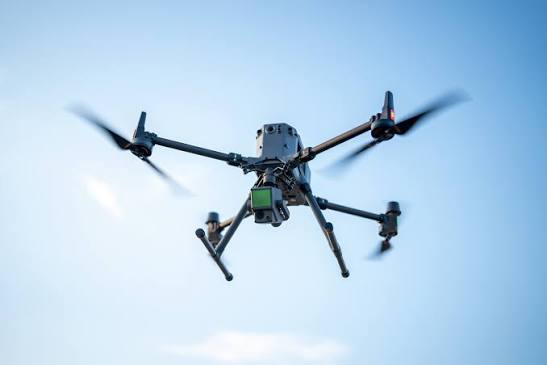
Hwange National Park: Drone Anti-Poaching Boosts Wildlife Surveillance
Summary
- Drone technology has been deployed at Hwange National Park to enhance anti-poaching and wildlife monitoring efforts.
- Wildlife rangers from the Zimbabwe Parks and Wildlife Management Authority (ZimParks) and the Bhejane Trust are receiving specialized training in operating remotely-piloted aircraft systems.
- The World Wide Fund for Nature (WWF) Zimbabwe is providing support for this training initiative.
- This technological advancement aims to strengthen enforcement, improve evidence collection, and impact legal strategies against wildlife criminals in Zimbabwe.
What Happened
By providing enhanced surveillance capabilities, these systems are expected to contribute to more robust evidence collection in wildlife crime cases.
Advanced drone technology has been introduced at Hwange National Park, significantly bolstering existing efforts to combat poaching and enhance wildlife monitoring. This strategic deployment, central to the Hwange National Park drone anti-poaching initiative, involves the integration of remotely-piloted aircraft systems (RPAS) to support and strengthen ground-based operations. The primary goal is to fortify anti-poaching measures and improve the overall efficiency of wildlife surveillance across the extensive park area.
A critical element of this technological upgrade is the specialized training being provided to wildlife rangers. An increased number of personnel from both the Zimbabwe Parks and Wildlife Management Authority (ZimParks) and the Bhejane Trust are undergoing instruction in the proficient operation of these sophisticated aerial systems. This comprehensive training ensures that frontline conservationists are fully equipped with the necessary skills to effectively utilize the new tools in their daily duties, thereby maximizing the impact of the Zimbabwe wildlife drone technology.
Technological Advancement in Conservation
The deployment of remotely piloted aircraft systems wildlife represents a forward-thinking approach to conservation, leveraging cutting-edge technology. These drones offer an invaluable aerial perspective that substantially augments traditional ground patrols, enabling broader surveillance coverage and facilitating quicker response times to potential threats. Their integration is specifically designed to strengthen anti-poaching operations, providing a continuous watchful eye over vast and often inaccessible areas that are challenging to monitor through conventional means.
The specialized ZimParks drone training Hwange rangers are receiving is paramount for the successful implementation of this program. It ensures that the technology is not merely present but is actively and competently utilized to achieve its intended objectives of deterring illegal activities and gathering crucial data on wildlife movements and health. This investment in human capital, alongside the technological assets, underscores a holistic approach to safeguarding Zimbabwe's natural heritage, with the WWF Zimbabwe anti-poaching support playing a vital role in facilitating this capacity building.
Broader Implications for Wildlife Protection
The integration of drone technology into Hwange National Park's conservation efforts carries substantial implications for both wildlife protection and the enforcement of environmental laws. By providing significantly enhanced surveillance capabilities, these systems are expected to contribute to more robust evidence collection in wildlife crime cases. The ability to capture high-resolution imagery and video from an aerial vantage point can offer irrefutable proof of illegal activities, which could profoundly impact legal strategies for those accused of such offenses in Zimbabwe, potentially leading to higher conviction rates and more effective deterrence.
This technological upgrade signifies a substantial strengthening of anti-poaching enforcement, moving beyond conventional methods to embrace innovative solutions. The enhanced monitoring and rapid response facilitated by drones will not only aid in preventing poaching incidents but also in tracking and apprehending perpetrators more efficiently. Ultimately, this initiative aims to cultivate a more secure environment for wildlife within Hwange, reinforcing Hwange wildlife crime enforcement and setting a precedent for the application of advanced technology in conservation across the region.
Practical Implications
This initiative indicates a strengthening of anti-poaching enforcement through advanced technology, which could lead to more robust evidence collection in wildlife crime cases and impact legal strategies for those accused of such offenses in Zimbabwe.
Source
Source: Original reporting via Newsday
How does this affect you?
Get an AI analysis of this article grounded in your jurisdictions, practice areas, and any policy documents you've uploaded to Wansom.
Finish Reading the Full Story and the Expert Analysis.
Get the latest legal & regulatory intelligence in Zimbabwe
Wansom is AI and can make mistakes.